What is cash accounting?
Cash accounting explained, plus when and how to use it.
Published Thursday 23 July 2026
Table of contents
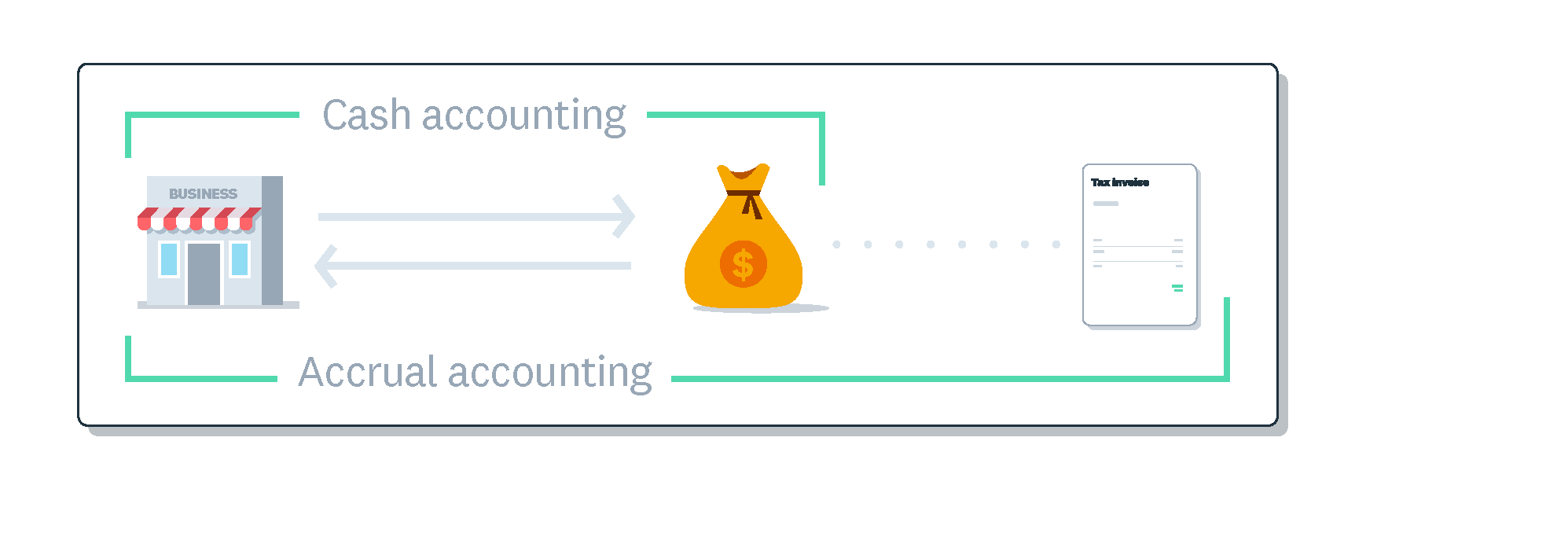
Cash accounting focuses only on money, not bills or invoices.
Key takeaways
- Cash accounting records income when you receive payment and expenses when you pay them, making it one of the simplest methods for tracking your finances.
- This method gives you a clear, real-time picture of how much cash your business has on hand, which helps with day-to-day financial decisions.
- The IRS allows businesses with $30 million or less in average annual gross receipts to use cash accounting, but it isn't compliant with Generally Accepted Accounting Principles (GAAP).
- If your business grows beyond the IRS threshold or you need GAAP-compliant financials, you can transition from cash to accrual accounting with the right planning and tools.
What is cash accounting?
Cash accounting is a method of recording financial transactions only when money physically changes hands. You record income when you receive it and expenses when you pay them.
This approach differs from accrual accounting, which records transactions when they're earned or incurred, regardless of when the payment happens. Cash accounting focuses on actual cash flow rather than projected or owed amounts. For a deeper dive into how to record accounting transactions, check out our step-by-step guide.
Small businesses, freelancers, and sole proprietors commonly use cash accounting because of its simplicity. If you're just getting started with small business bookkeeping, it's a practical place to begin. It doesn't require tracking accounts receivable or accounts payable, which reduces the bookkeeping workload.
One thing to keep in mind: cash accounting isn't compliant with GAAP. If your business needs GAAP-compliant financial statements for investors, lenders, or regulatory purposes, you'll need to use accrual accounting instead.
How does cash accounting work?
Cash accounting follows a straightforward principle: record a transaction only when cash moves in or out of your business. This means your books reflect the money you actually have, not what you're owed or what you owe.
Recording income
You record revenue in your books on the date you receive payment. If a customer pays you by check, credit card, or direct deposit, you log that income on the day the funds hit your account.
For example, say you're a freelance graphic designer. You complete a project and send an invoice on June 15, but your client doesn't pay until July 10. Under cash accounting, you'd record that income in July, not June.
Recording expenses
The same logic applies to expenses. You record a cost only when you pay for it. If you receive a bill for office supplies in March but don't pay it until April, that expense appears in your April records.
This timing-based approach means your financial records always match your bank balance, giving you a clear view of how much cash you have available at any given moment.
Cash accounting vs accrual accounting
Understanding the differences between cash and accrual accounting helps you choose the right method for your business. Here's how the 2 methods compare across key areas.
- Timing of recognition: cash accounting records transactions when payment is received or made. Accrual accounting records them when they're earned or incurred.
- Financial reporting clarity: accrual accounting provides a more complete picture of your financial health by including outstanding invoices and bills. Cash accounting shows only completed transactions.
- Complexity: cash accounting is simpler to maintain and doesn't require tracking receivables or payables. Accrual accounting involves more detailed record-keeping.
- Compliance requirements: accrual accounting is GAAP compliant and required for publicly traded companies. Cash accounting isn't GAAP compliant and has IRS eligibility limits.
- Best suited business types: cash accounting works well for small businesses, freelancers, and service providers with straightforward transactions. Accrual accounting suits larger businesses, inventory-heavy operations, and companies seeking outside investment.
Pros and cons of cash accounting
Cash accounting offers distinct advantages and drawbacks. Weighing both sides helps you decide if it's the right fit for your business.
Advantages of cash accounting
The simplicity of cash accounting makes it a popular choice for smaller businesses. Here are the main benefits.
- Simplicity: recording transactions only when cash changes hands keeps your bookkeeping straightforward and reduces room for errors.
- Clear cash flow visibility: your books always reflect how much money you actually have, making it easier to manage day-to-day spending and plan ahead.
- Tax flexibility: you can time certain income and expenses to shift them between tax years, which may help lower your tax bill in a given year.
- Less bookkeeping: you don't need to track accounts receivable or accounts payable, which saves time on administrative tasks.
Disadvantages of cash accounting
Cash accounting has some limitations that can create challenges as your business grows.
- Limited financial insight: because it doesn't account for money owed to you or bills you haven't paid yet, your financial reports may not show the full picture of your business performance. According to Xero Small Business Insights, US small businesses wait an average of 27.9 days to be paid, with payments arriving 7.8 days late on average; under cash accounting, none of that outstanding revenue appears on the books until payment clears.
- Not GAAP compliant: if you need audited financial statements or plan to seek outside funding, you'll need to switch to accrual accounting.
- Can distort profitability: a large payment received in 1 month can make that period look unusually profitable, while the following month may appear slow, even if your actual business activity was consistent.
- Harder to attract investors: most investors and lenders expect GAAP-compliant financials, which means cash-basis reports may not meet their requirements.
When should you use cash accounting?
Choosing your accounting method depends on your business size, structure, and future plans. Our guide on how to choose your accounting method walks you through the decision in detail. Cash accounting is a solid option for many small businesses, but it isn't right for every situation.
IRS eligibility requirements
The IRS allows businesses to use cash accounting if their average annual gross receipts are $30 million or less over the prior 3 tax years. This threshold, established under Section 448 of the Internal Revenue Code and adjusted annually for inflation, covers most small businesses.
Business types that benefit from cash accounting
Cash accounting tends to work best for businesses with simple financial structures. Here are some common examples.
- Small businesses with straightforward revenue streams
- Service-based businesses and consultants
- Freelancers and independent contractors
- Sole proprietors and single-member LLCs
- Startups in their early stages
When accrual accounting is required
Certain situations require you to use accrual accounting instead. You'll need to switch if your business meets any of the following criteria.
- Your average annual gross receipts exceed the IRS threshold
- Your business is publicly traded
- You're a C corporation or partnership that doesn't meet the gross receipts test
- Your business holds significant inventory (though some small businesses may qualify for exceptions)
Tax implications of cash accounting
How you record income and expenses directly affects when you owe taxes. Cash accounting gives you some flexibility in managing your tax obligations, but it also comes with specific considerations.
Income recognition timing
Under cash accounting, you only report income in the tax year you receive it. If you send an invoice in December but don't get paid until January, that income falls into the next tax year. This timing can naturally spread your tax liability across years.
Expense deduction timing
You can deduct expenses only in the year you pay them. Paying for supplies, subscriptions, or services before your tax year ends lets you reduce your taxable income for that period.
Tax planning strategies
Cash accounting opens up some timing-based tax planning options. For instance, if you expect to be in a lower tax bracket next year, you might delay invoicing clients until January to push income into the following year. Similarly, you could accelerate expense payments in December to increase deductions in the current year.
Keep in mind that tax planning can get complex, and IRS rules around constructive receipt and prepaid expenses have specific limits. It's a good idea to consult a tax professional to make sure your approach stays within IRS guidelines.
How to transition from cash to accrual accounting
As your business grows, you may need to switch from cash to accrual accounting. This transition takes some planning, but following a structured approach helps you make the change smoothly.
- Review your current financial records. Start by documenting all outstanding invoices, unpaid bills, and prepaid expenses. These items aren't reflected in your cash-basis books but will need to appear in your accrual-based records.
- Set up your opening balance sheet. Create entries for accounts receivable (money customers owe you), accounts payable (bills you owe), and any prepaid expenses or deferred revenue. This step bridges the gap between your old and new accounting methods.
- Upgrade your accounting tools. Make sure your accounting software supports accrual accounting. Look for features like automated invoicing, accounts receivable and payable tracking, and accrual-based reporting.
- Work with a professional. An accountant or bookkeeper can help you identify all the adjustments needed, set up your new chart of accounts, and make sure nothing falls through the cracks during the transition.
- File IRS Form 3115. If you're changing your accounting method for tax purposes, you'll need to file Form 3115 (Application for Change in Accounting Method) with the IRS. This form calculates a Section 481(a) adjustment to prevent income from being taxed twice or not at all.
- Plan for the tax impact. The switch can affect your taxable income in the transition year. Your tax professional can help you understand the Section 481(a) adjustment and plan for any additional tax liability.
Help simplify your cash accounting with Xero
Keeping your finances organized shouldn't take time away from running your business. Xero accounting software automates everyday tasks like bank reconciliation, invoicing, and expense tracking, so you can spend less time on bookkeeping and more time on what matters.
Whether you're using cash accounting now or planning to transition to accrual in the future, Xero gives you the tools to manage your finances with confidence. With real-time cash flow visibility, customizable reports, and easy collaboration with your accountant or bookkeeper, Xero helps you stay on top of your numbers. Get one month free.
FAQs on cash accounting
Here are answers to frequently asked questions about cash accounting.
What is the difference between cash and accrual accounting?
Cash accounting records transactions when money is received or paid, while accrual accounting records them when they're earned or incurred. Cash accounting shows your actual cash on hand, whereas accrual accounting provides a broader view of your financial commitments.
Can you switch from cash to accrual accounting?
Yes, you can switch from cash to accrual accounting. You'll need to file IRS Form 3115 and adjust your books to include outstanding receivables, payables, and other accrual entries.
Is cash accounting suitable for all businesses?
Cash accounting works best for small businesses, freelancers, and service providers with simple financial structures. Larger businesses, publicly traded companies, and inventory-heavy operations typically need to use accrual accounting.
How does cash accounting affect your taxes?
With cash accounting, you report income when you receive it and deduct expenses when you pay them. This timing gives you some flexibility to manage taxable income across tax years.
Is cash basis accounting GAAP compliant?
No, cash basis accounting isn't GAAP compliant. GAAP requires the accrual method. If your business needs GAAP-compliant financial statements for investors or lenders, you'll need to use accrual accounting.
Handy resources
Advisor directory
You can search for experts in our advisor directory
How to do bookkeeping
Learn about data entry, bank rec, reporting and tax prep in our guide to doing bookkeeping.
Online accounting with Xero
Automate your accounting in the cloud
Disclaimer
This glossary is for small business owners. The definitions are written with their requirements in mind. More detailed definitions can be found in accounting textbooks or from an accounting professional. Xero does not provide accounting, tax, business or legal advice.