Friends and family loans: how to borrow responsibly for your business
Learn how to borrow from friends and family for your business, with tips on agreements, tax, and relationships.

Published Monday 11 May 2026
Table of contents
Key takeaways
- Friends and family loans can give your small business quick access to funding with fewer formalities than a bank, but you should always put the agreement in writing to protect both sides.
- Understanding whether the money counts as a loan, an investment, or a gift matters for tax purposes; get it wrong and you could face unexpected bills from HMRC.
- Treat a personal loan with the same professionalism you would bring to any business finance arrangement: set clear repayment terms, stick to them, and keep your lender updated.
- If borrowing from people close to you isn't the right fit, alternatives such as business loans, grants, and crowdfunding are worth exploring.
What is a friends and family loan?
A friends and family loan is money you borrow from someone in your personal network to fund your business. It's one of the most common ways small business owners raise capital, especially when traditional finance feels out of reach.
Rather than going through a bank or lender, you agree terms directly with someone who already knows and trusts you. This could be a parent, sibling, partner, or close friend. The arrangement can range from a casual handshake to a formal written agreement.
Many small businesses in the UK rely on personal networks to get started or bridge a cash flow gap. According to various industry surveys, friends and family funding is second only to personal savings as a source of early-stage finance.
Advantages of friends and family loans
Borrowing from people you know can offer several practical benefits over traditional lending. Here are some of the main advantages:
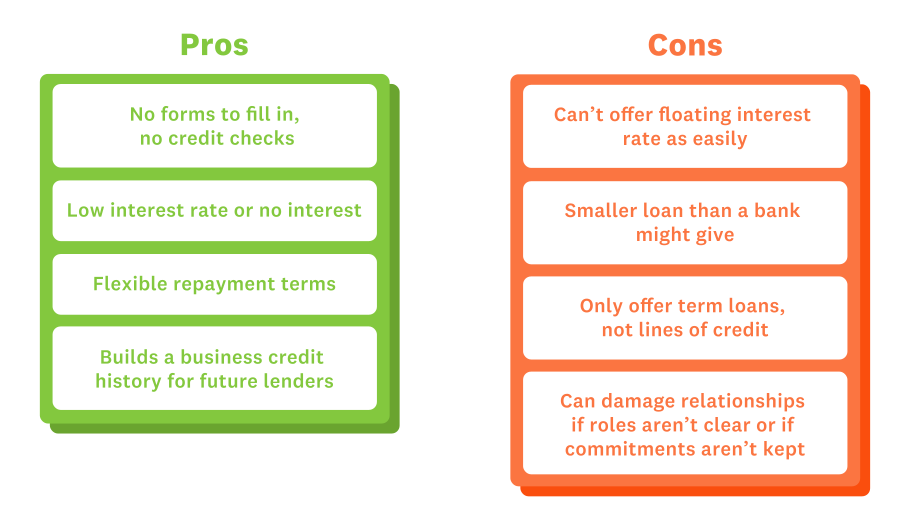
- Lower or no interest: your lender may agree to charge little or no interest, keeping your repayment costs down
- Flexible repayment terms: you can often negotiate a schedule that suits your cash flow, rather than meeting rigid bank deadlines
- Faster access to funds: without lengthy application processes or credit checks, money can reach your account in days rather than weeks
- Less paperwork: there are fewer forms to fill in and no need for a formal credit history or security in many cases
- A more personal experience: your lender already understands your goals and is invested in your success
Disadvantages of friends and family loans
While the benefits are real, borrowing from people close to you carries its own risks. It's worth being honest about the downsides before you ask.
- Relationship strain: mixing money with personal relationships can create tension, especially if repayments are late or the business struggles
- Limited borrowing amounts: friends and family may not have the funds to cover everything you need, which could leave a shortfall
- Lack of formal structure: without clear terms in place, misunderstandings about repayment, interest, or ownership can arise
- Potential tax complications: depending on how the loan is structured, there may be inheritance tax or income tax implications for the lender
- Pressure to succeed: knowing that someone close to you has put their own money at risk can add emotional weight to everyday business decisions
Loan, investment, or gift?
Before any money changes hands, agree on exactly what the arrangement is. The distinction between a loan, an investment, and a gift affects your legal obligations and your tax position.
A loan means you borrow a set amount and repay it over time, potentially with interest. The lender has no ownership stake in your business. An investment, on the other hand, means the person puts money into your business in exchange for equity (a share of ownership). They benefit if the business grows but also share the risk if it doesn't.
A gift is money given with no expectation of repayment or return.
Each option has different tax implications. Interest on a loan may count as taxable income for the lender. Equity investments are subject to capital gains tax when shares are sold. Gifts can trigger inheritance tax rules if the giver passes away within seven years. If you're unsure which structure suits your situation, read more about debt versus equity finance.
How to ask friends and family for a business loan
Approaching someone you know for money can feel awkward. Treating the conversation with the same care you'd bring to a bank meeting helps set a professional tone and builds confidence on both sides.
- Prepare a business plan. Show your lender where the business is heading. A clear plan covering your market, revenue model, and growth strategy demonstrates you've done your homework.
- Be clear about amounts and purpose. State exactly how much you need and what the money will be used for. Vague requests can make people uneasy.
- Show your budget and repayment plan. Present a realistic cash flow forecast that shows when and how you'll pay them back. This gives your lender confidence that you've thought it through.
- Explain the risks. Be upfront about what could go wrong. Honesty builds trust and helps your lender make an informed decision.
- Set expectations about timelines. Let them know when you'll need the funds, how long the repayment period will be, and when they can expect updates from you.
Put it in writing
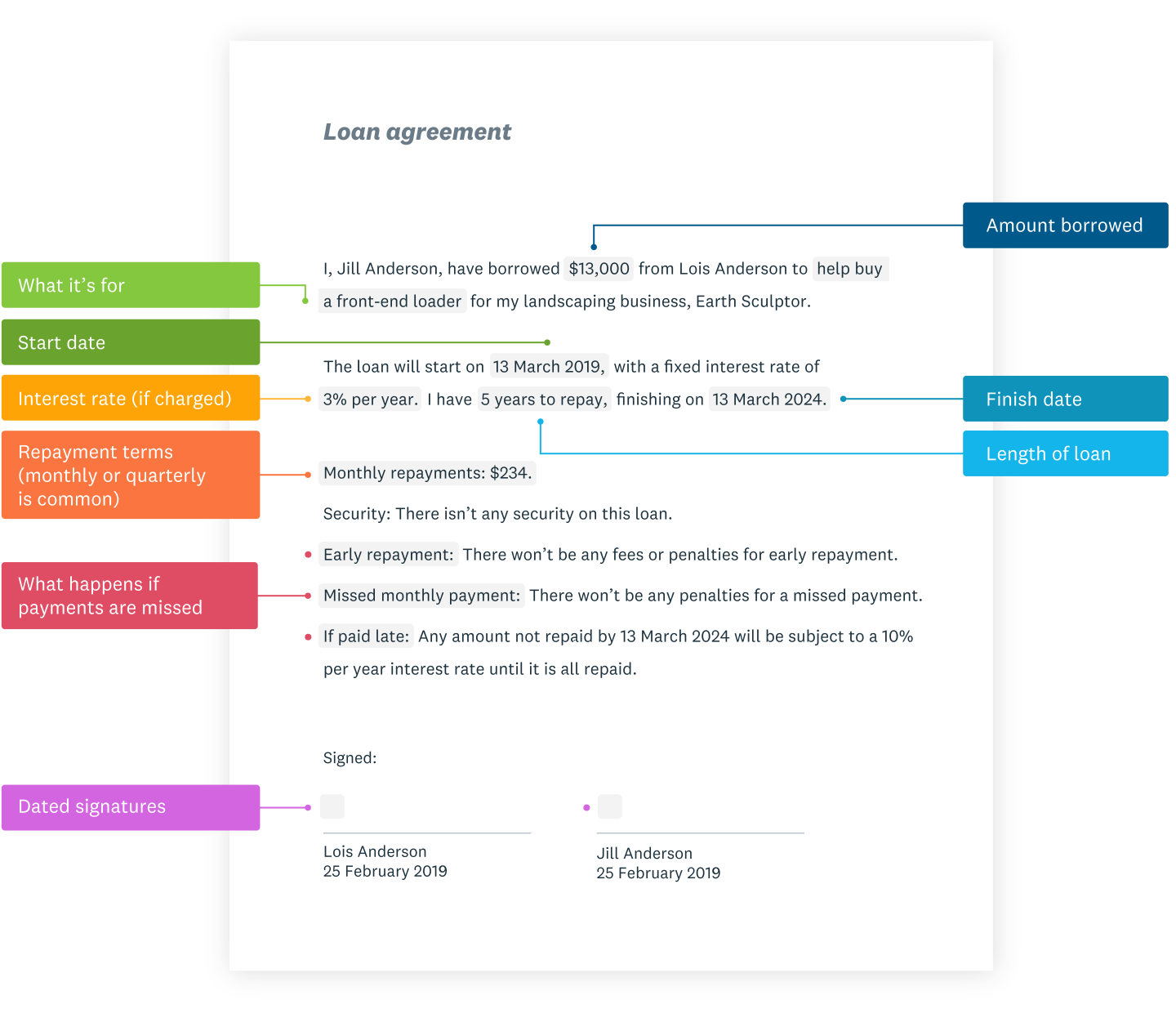
Even when you're borrowing from someone you trust completely, a written agreement protects both of you. A family loan agreement removes ambiguity and gives everyone a clear reference point if questions come up later.
Your agreement should cover the following details:
- The total amount being borrowed
- The interest rate (or confirmation that the loan is interest-free)
- The repayment schedule, including amounts and due dates
- Any security or collateral offered against the loan
- What happens if a repayment is missed, including any penalties
- Whether the loan can be repaid early without a fee
It's a good idea to have a solicitor or accountant review the agreement before you both sign. This small step can prevent much bigger problems later. Keep copies for your records and make sure both parties have a signed version.
Tax implications of friends and family loans
Tax rules around personal loans can catch people off guard. Understanding the basics helps you avoid surprises and stay on the right side of HMRC.
If your loan is interest-free, the lender doesn't earn income from it, so there's no income tax to pay on the loan itself. However, HMRC may treat an interest-free loan as a "potentially exempt transfer" for inheritance tax purposes. If the lender passes away within seven years of making the loan, the outstanding amount could form part of their estate.
If the loan carries interest, the lender must declare that interest as income on their self-assessment tax return. The rate of tax depends on their overall income. As the borrower, you may be able to claim tax relief on interest payments if the loan is used wholly for business purposes.
If the money is a gift rather than a loan, the seven-year rule applies in full. Gifts above the annual exemption (currently £3,000 per tax year) may be subject to inheritance tax if the giver dies within seven years. Consulting an accountant before finalising the arrangement is always a smart move.
Common mistakes to avoid
A few common pitfalls can turn a well-meaning arrangement into a source of stress. Watch out for these:
- Not putting the agreement in writing: verbal agreements are hard to enforce and easy to misremember
- Mixing up a loan and a gift: if neither side is clear on the terms, disputes and tax problems can follow
- Not discussing the arrangement with other family members: secrecy can breed resentment, especially if others feel left out or affected
- Leaving repayment terms vague: "I'll pay you back when I can" is a recipe for frustration on both sides
- Borrowing more than the lender can comfortably afford to lose: if your business doesn't work out, your lender should still be financially secure
Alternatives to friends and family loans
Borrowing from people you know isn't the only option. Depending on your circumstances, one of these alternatives might be a better fit for your business.
- A business loan from a bank or alternative lender gives you access to larger amounts with structured repayment terms.
- Small business grants provide funding you don't need to repay, though competition can be high and eligibility criteria strict.
- Crowdfunding lets you raise money from a large number of people, often in exchange for rewards or early access to your product.
- Peer-to-peer lending connects you with individual investors through an online platform, often at competitive interest rates.
- Cash flow financing uses your expected income as the basis for borrowing, which can help if you have strong receivables but need funds now.
Always follow through
The way you handle a friends and family loan says a lot about how you run your business. Treating this arrangement with the same discipline you'd apply to any financial commitment helps protect your relationships and your reputation.
Make every repayment on time. If you're going to be late, communicate early rather than staying silent. Your lender will appreciate the honesty far more than being left in the dark.
Give your lender a brief update at least once a year. Share how the business is performing and confirm the repayment schedule is on track. This kind of transparency builds trust and shows you value the support they've given you.
Stay professional throughout. Even though your lender is someone close to you, keeping clear financial boundaries makes the whole arrangement easier for everyone involved.
Manage your business finances with Xero
Keeping track of loan repayments alongside your day-to-day business finances is simpler when everything sits in one place. Cloud accounting software helps you stay on top of what you owe, monitor your cash flow, and plan ahead with confidence.
Xero makes it straightforward to record loan transactions, set up recurring payments, and pull reports that show exactly where your money is going. Whether you're repaying a friend or managing multiple funding sources, having a clear financial picture helps you make better decisions.
Try Xero for your business and get one month free.
FAQs on friends and family loans
Here are some frequently asked questions about friends and family loans.
Do you need a written agreement for a family loan?
There's no legal requirement to have a written agreement, but it's strongly recommended. A written document sets out the terms clearly and gives both parties something to refer back to if there's a disagreement. It also helps with tax reporting, as HMRC may ask for evidence of the arrangement.
What are the tax rules for lending money to family in the UK?
If the loan is interest-free, there's no income tax to pay, but the loan could count as a potentially exempt transfer for inheritance tax if the lender dies within seven years. If the loan charges interest, the lender must declare that income on their tax return. The exact impact depends on the lender's overall financial situation, so professional advice is worth seeking.
How much can you borrow from friends and family?
There's no legal cap on how much you can borrow from someone you know. The practical limit depends on what your lender can afford and what your business genuinely needs. A good rule of thumb is to only borrow what the lender could afford to lose without it affecting their own financial security.
What happens if you can't repay a friends and family loan?
If you're struggling to make repayments, talk to your lender as early as possible. You may be able to renegotiate the terms, extend the repayment period, or agree on a temporary pause. If a written agreement is in place, it should outline what happens in this scenario. Without one, resolving the situation can be much harder.
Is a friends and family loan better than a bank loan?
It depends on your circumstances. A friends and family loan typically offers more flexibility and lower costs, but it carries the risk of straining personal relationships. A bank loan provides a more formal structure and keeps your personal life separate from your finances. Many business owners use a combination of both to fund their growth.
Disclaimer
Xero does not provide accounting, tax, business or legal advice. This guide has been provided for information purposes only. You should consult your own professional advisors for advice directly relating to your business or before taking action in relation to any of the content provided.
How to finance your business in the UK
Need finance for your business? Learn about the types of finance, approaching lenders and investors and more.
- What is business finance?
Learn how business finance works and find the right funding for your small business.
- How much business funding do you need?
Knowing how much money you need will help you choose the right type of finance. These tips will help you find a number.
- Debt versus equity finance
Most forms of funding fall into one of two camps. Let’s look at the main pros and cons of debt versus equity.
- Main types of finance
It takes money to make money. So what sort of finance options are there? Here are the types that fund most businesses.
- How to get a business loan
Find the right business loan and put together a strong application with this step-by-step guide.
- Peer-to-peer lending
Learn how P2P lending works for UK businesses, what the risks are, and how to apply.
- Friends and family loans
Learn how to borrow from friends and family for your business, with tips on agreements, tax, and relationships.
- Invoice financing
Turn unpaid invoices into working capital. Learn how invoice financing works and which type suits your business.
- How to find investors
Find the right investors for your business with this guide to funding types, where to look, and how to prepare.
- Angel investors versus venture capitalists
Angel investors and venture capitalists are alternative finance sources. What can they offer your business?
- How crowdfunding works
Learn how crowdfunding works, the different models, and how to launch a successful campaign for your small business.
- Small business grants
Find UK small business grants, check eligibility, and apply with confidence.
- Pitching for business funding
Learn how to pitch your business to investors and lenders with practical, step-by-step guidance.
Download the guide to financing your business
Your intro to the different types of finance, including their pros and cons. Fill out the form to receive our finance guide as a PDF.
Now that you have your guide
Managing finances can feel overwhelming. With Xero’s powerful tools, small businesses can stay organised and confident.