Cost of sales: definition, formula, examples, and tips
Cost of sales affects your profit. Learn how to calculate it and use it to price with confidence.
Written by Lena Hanna—Trusted CPA Guidance on Accounting and Tax. Read Lena's full bio
Published Wednesday 22 April 2026
Table of contents
Key takeaways
- Separate direct costs from indirect costs when calculating your cost of sales — only include expenses directly tied to producing and delivering your product or service, such as materials, labor, and shipping, not general costs like rent or marketing.
- Choose either "cost of sales" or "cost of goods sold" based on your business type — use COGS if you manufacture or sell physical products, and cost of sales if you deliver services or have mixed revenue streams — then apply that term consistently across all financial reporting.
- Calculate your cost of sales every month so you can spot rising costs early and adjust your pricing before your profit margins shrink.
- Use the right formula for your industry — retailers use beginning inventory plus purchases minus ending inventory, manufacturers add raw materials, direct labor, and factory overhead, and service businesses focus on labor and delivery costs instead of inventory.
What is cost of sales?
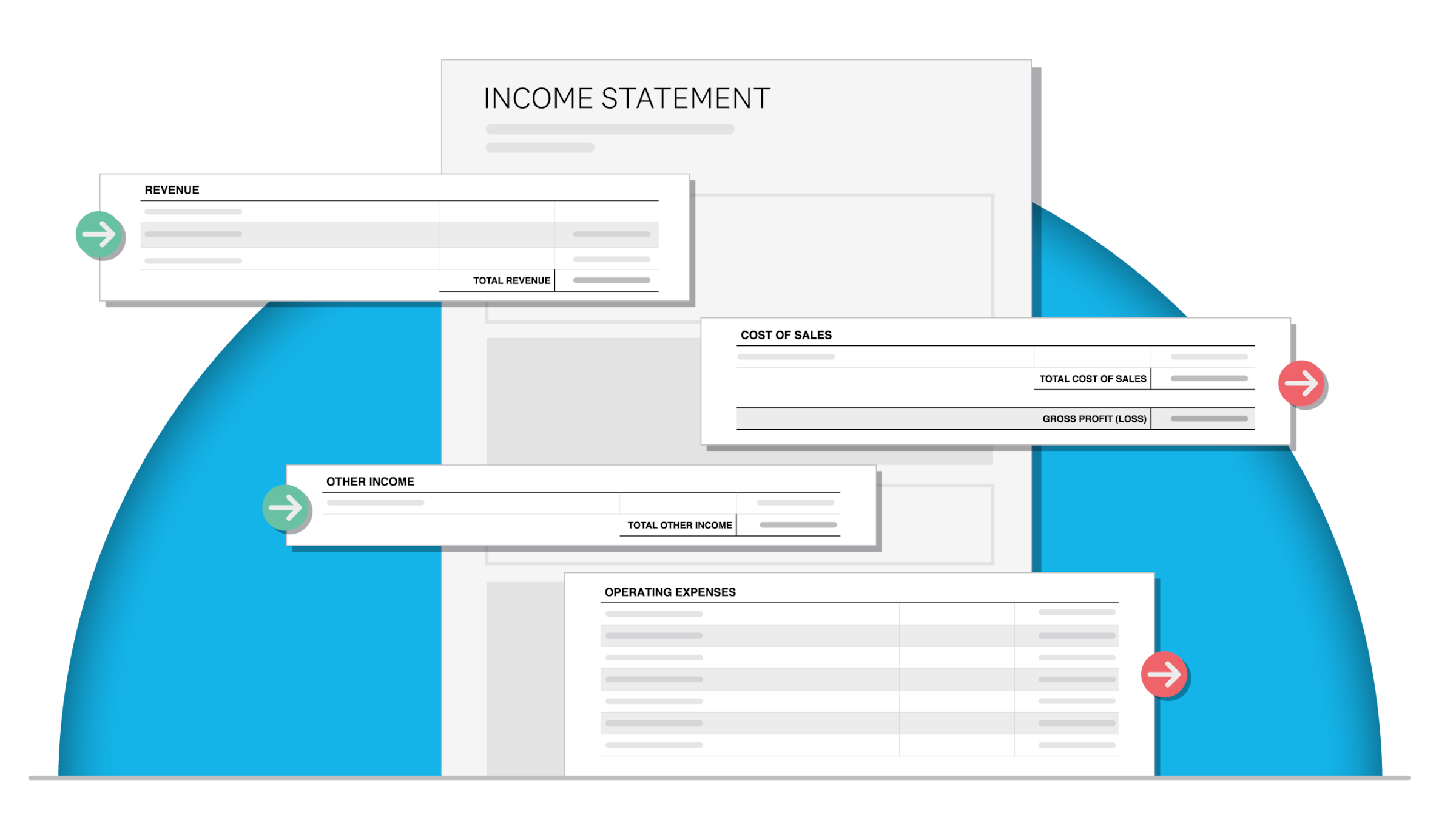
Cost of sales is the total expense of producing and delivering your products or services to customers. It includes direct costs like materials, labor, and shipping tied to each sale.
You might also see this called cost of goods sold (COGS). Understanding your cost of sales helps you set profitable prices and make smart sourcing decisions.
Direct costs make up your cost of sales. These are expenses tied specifically to creating and delivering your products or services.
Indirect costs like rent or marketing support your business but don't directly create products. Keep these separate from your cost of sales calculation.
Cost of sales varies by business type, including:
- retailers: inventory purchases, packaging materials, shipping fees
- service providers: software subscriptions, contractor payments, client travel
- manufacturers: raw materials, production labor, equipment costs
Now that you understand what cost of sales includes, let's look at how it differs from a related term.
Cost of sales vs. cost of goods sold (COGS)
Cost of sales and cost of goods sold (COGS) are often used interchangeably, but they have key differences. Understanding when to use each term helps you categorize expenses correctly, communicate clearly with accountants or investors, and accurately report a deduction for cost of goods sold on your tax returns.
COGS focuses specifically on production costs for physical goods, taking into account the cost of inventory sold along with related vendor rebates and allowances. Cost of sales is broader and includes all direct costs tied to generating revenue, including service delivery.
Here's how to decide which term fits your business.
When to use cost of sales
Use cost of sales if your business:
- delivers services rather than physical products
- generates revenue from multiple sources
- sells both products and services
- needs to track delivery, commission, or transport costs
When to use COGS
Use COGS if your business:
- manufactures physical products
- sells primarily through retail inventory
- focuses on production-related expenses
- reports to investors who expect traditional COGS terminology
Many businesses can use either term. Choose one and apply it consistently across all financial reporting.
Understanding the terminology is just the first step—knowing why these costs matter is equally important.
Why is cost of sales important?
Cost of sales establishes your profit baseline. This is the minimum you must charge to avoid losing money on each sale.
Understanding these costs helps you set prices that generate profit. It also reveals which products or services deliver the best returns.
Both fixed and variable costs impact your calculation. Knowing the difference helps you predict how costs change as your business grows.
Fixed costs stay consistent regardless of how much you sell, such as:
- employee salaries
- equipment leases
- software subscriptions
Variable costs change based on production or sales volume, including:
- raw materials
- shipping fees
- transaction processing
Include both types when calculating your total cost of sales.
Regular cost tracking helps you maintain profitable pricing as expenses change. Monitor your cost of sales monthly to catch rising costs early and adjust prices before they impact your profit margins.
To track your costs effectively, you need to know exactly what belongs in your calculation.
What to include in cost of sales
Separate direct costs from general business expenses to calculate your cost of sales accurately. Only include costs directly tied to what you sell.
For example, one major retailer's COGS includes inventory, warehousing costs, distribution payroll, and inventory shrink costs. Your categories may differ based on your business model.
Costs typically included in your cost of sales calculation are:
- direct materials: raw materials used to create your product
- direct labor: wages for staff who produce goods or deliver services
- production supplies: items consumed during production but not part of the final product
- shipping and freight: costs to receive materials or deliver finished products
- packaging: boxes, labels, and materials for packaging your product
Exclude indirect costs from your calculation. These are general operating expenses, which include:
- marketing and advertising costs
- administrative salaries (HR or accounting staff)
- rent and utilities for your main office
- general office supplies
Consistency matters most. Apply the same rules every time to keep your calculations reliable.
Once you know what to include, it helps to understand how cost of sales differs from other business expenses.
Cost of sales vs. expenses
Cost of sales includes only expenses directly tied to creating and delivering your products or services. Business expenses cover all other costs needed to run your company.
Here's how to categorize common costs.
Business expenses (not cost of sales) include:
- PR and marketing agencies
- office rent and utilities
- administrative staff salaries
Cost of sales (directly tied to each sale) includes:
- product delivery and shipping
- payment processing fees
- materials and packaging
Track both metrics to make informed decisions:
- when sales volume drops: focus on reducing business expenses
- when profit margins shrink: lower your cost of sales through better supplier deals or process improvements
With a clear understanding of what to track, you can now apply the right formula for your industry.
How to calculate cost of sales in different industries
The cost of sales formula changes based on your business type. Each industry tracks different direct costs.
Below are example formulas for service businesses, retailers, and manufacturers. Choose the one that matches your business model.
Cost of sales example formula for service businesses

Service businesses track labor and delivery costs rather than inventory. Include these direct costs:
- service delivery staff wages
- client-facing workspace costs
- travel expenses for client work
- equipment used for service delivery
Exclude these indirect costs:
- administrative staff salaries
- general office expenses
- marketing costs
Cost of sales example formula for retailers

Retailers calculate cost of sales using inventory values plus direct selling costs, providing a key figure needed to calculate your inventory turnover ratio.
Core formula: Beginning inventory + purchases − ending inventory = cost of sales
Add these direct selling costs:
- shipping and delivery fees
- payment processing charges
- packaging materials
Cost of sales example formula for manufacturers

Manufacturers include production-related costs in their cost of sales, such as:
- raw materials and components
- direct production labor
- factory overhead costs
- equipment maintenance
- production utilities
Track your beginning and ending work-in-process inventory to calculate accurate costs. Add direct labor and manufacturing overhead to your raw materials costs for a complete picture of your production expenses.
Simplify your cost tracking with Xero
The costs of running a business and making a sale change all the time. With a simple way to monitor and manage your costs, you can stay in control of your spending.
With Xero job costing software, you get a live view of your income and outgoings, so you always know the state of your finances.
You can also run deeper financial analysis using Xero analytics and reporting features. View cash flow projections, income and expenditure reports, and a range of financial statements and calculations to keep you in control of your numbers. Get one month of Xero free and try it out.
FAQs on cost of sales
Here are answers to common questions about calculating and using cost of sales.
What's the difference between cost of sales and operating expenses?
Cost of sales includes only direct costs tied to producing and delivering your products or services. Operating expenses cover indirect costs like rent, marketing, and administrative salaries that keep your business running.
How often should I calculate my cost of sales?
Calculate your cost of sales monthly to track trends and catch rising costs early. This helps you adjust pricing before profit margins shrink.
Can my cost of sales be too low?
Yes. If your cost of sales seems unusually low, you may be missing direct costs or miscategorizing expenses. Review your calculation to ensure you're capturing all production and delivery costs.
Do shipping costs always count as cost of sales?
Shipping costs count as cost of sales when they're directly tied to delivering products to customers. Shipping costs for receiving inventory or materials also belong in cost of sales.
Should I include employee benefits in my cost of sales?
Include benefits only for employees who directly produce goods or deliver services. Benefits for administrative or support staff are operating expenses, not cost of sales.
Sales grow and late payments improved*
Read the full report for Xero's small business insights focusing on several core performance metrics, including sales growth, time to be paid, and late payments.
US sales: +0.8%*
Small business sales increased an average of 0.8% y/y in the three months to September. Published: 6 February 2025.

Disclaimer
Xero does not provide accounting, tax, business or legal advice. This guide has been provided for information purposes only. You should consult your own professional advisors for advice directly relating to your business or before taking action in relation to any of the content provided.