Online business ideas: 20+ profitable ideas to start from home in 2026
Explore proven online business ideas you can start from home, with startup costs and earning potential.

Written by Lena Hanna—Trusted CPA Guidance on Accounting and Tax. Read Lena's full bio
Published Wednesday 6 May 2026
Table of contents
Key takeaways
- Combine your existing skills, interests, and market demand to find a profitable online business idea you can start from home with minimal upfront investment.
- Focus on niche markets and authentic storytelling to stand out from larger competitors, as customers often pay more for personal connections and unique experiences.
- Service-based and digital product businesses typically have the lowest startup costs ($0–$500), while online retail and ecommerce models offer the highest earning potential as you scale.
- Validate your idea through market research on ecommerce platforms, social media trends, and crowdfunding sites before committing time and money.
Why start an online business
Starting an online business from home gives you the flexibility to set your own hours, choose your workspace, and reach customers around the world. Whether you're looking for a full-time venture or a side hustle, an online business can fit around your existing commitments.
Compared to a traditional storefront, an online business often has lower startup costs. You don't need to pay for a physical location, and many business models let you start with little more than a laptop and an internet connection.
An online business also opens up a global customer base. Keep in mind that selling across state lines can have tax implications. In 2018, the Supreme Court ruled in South Dakota v. Wayfair, Inc. that states can require online businesses to collect sales tax, even without a physical presence in that state. This means you'll want to understand your sales tax obligations as you grow.
How to choose the right online business idea
The right online business idea sits at the intersection of your skills, market demand, and profitability. Start by auditing what you're good at and what you enjoy, then confirm that people are willing to pay for it.
Run a skills audit. List your professional experience, hobbies, and any certifications or training. Think about what friends, colleagues, or clients come to you for advice on. These strengths are your foundation.
Validate the market. Search for your idea on platforms like Amazon, Etsy, Google Trends, and social media. Look for active demand, trending conversations, and gaps you could fill. If similar products or services already exist, that's often a good sign: it confirms people are spending money in that space.
Analyze profitability. Consider startup costs, ongoing expenses, and realistic revenue potential. A great idea needs to generate enough income to cover your costs and leave room for profit. Compare your estimated margins across a few different ideas before committing.
You don't need a brand-new concept. Explore home business ideas that build on proven models, and add your own unique value or angle to stand out.
Best online business ideas for 2026
Online business ideas generally fall into five categories: retail and ecommerce, services, digital products, content and media, and apps and software. Each has different startup requirements, earning potential, and skill demands. Here's a closer look at the best options for 2026.
Online retail and ecommerce ideas
Online retail is one of the most popular ways to start a business from home. You can sell physical products through your own website or marketplaces like Amazon, Etsy, and eBay. Startup costs range from $100 for simple resale models to $5,000 or more for businesses that manufacture original products. Established online retailers can earn anywhere from $1,000 to $50,000+ per month depending on their niche and scale.
Here are proven online retail models to consider:
1. Sell handmade or custom products. Turn a hobby like photography, jewelry making, or woodworking into an online store. You control quality and pricing, and customers value the personal touch. Startup costs run $200–$2,000 for materials and a basic store, with earning potential of $500–$5,000 per month once established.
2. Get something manufactured. Design a product and work with a contract manufacturer to produce it. Small-batch manufacturing makes this accessible, even on a limited budget. Startup costs range from $1,000–$5,000 for prototyping and an initial production run, with earning potential of $2,000–$20,000+ per month.
3. Resell products. Buy products wholesale or from clearance sales and resell them at a markup. Create a strong ecommerce brand to differentiate your store from competitors. Startup costs range from $500–$3,000 for initial inventory, with earning potential of $1,000–$10,000+ per month.
4. Start a dropshipping business.Dropshipping is a retail model where you sell products without holding inventory. When a customer places an order, the supplier ships directly to them. Startup costs are just $100–$500 for a website and marketing, with earning potential of $500–$10,000+ per month. Margins are typically lower, so volume and marketing matter.
5. Launch a print-on-demand store. Upload custom designs to a platform that prints and ships products (t-shirts, mugs, phone cases) only when customers order. There's no inventory risk. Startup costs are $0–$200 for design tools and a storefront, with earning potential of $500–$5,000+ per month.
Standing out from bigger brands. Even if you can't match large retailers on price or advertising budgets, you can win customers with authenticity and a personal touch.
Ecommerce consultant Marc McKeown of FortBrave recommends putting your personality into your brand. "Put as much of your own story into your product and branding as you can," he says. "Customers will gravitate to you because of your authentic story, even if they have to pay a little bit more."
"And continue that through into your packaging and shipping. Differentiate yourself from the corporate experience. Package products nicely and put a personal note in. Amazon can't compete with that."
Taking extra care with packaging can encourage customers to share your product on social media. Learn more about ecommerce, shipping, and marketing in the guide to starting an online business.
Find a profitable niche. You can succeed with a very specific or unusual idea. Online, you can reach people everywhere, so even niche products can find a dedicated audience.
McKeown says online shopping habits have given new life to unusual business ideas. "Niche shopping has been enabled by the internet. It's much easier to find out-of-the-ordinary products online than to traipse around town for it, so that's what people do."
Online services business ideas
Service-based online businesses let you turn your existing skills into income from home. This model requires minimal startup costs and can scale quickly as you build your reputation. Typical startup costs range from $0 to $500, and experienced service providers can earn $3,000 to $15,000+ per month.
Here are popular online service businesses to consider:
1. Offer freelance services.Freelance services like writing, graphic design, web development, and social media management are in high demand. Platforms like Upwork, Fiverr, and LinkedIn make it straightforward to find clients. Startup costs are $0–$200 for a portfolio website, with earning potential of $2,000–$10,000+ per month.
2. Start coaching or consulting. If you have deep expertise in a specific field (fitness, business strategy, career development, finance), you can offer one-on-one or group coaching sessions online. Startup costs are $0–$300 for video conferencing tools and a booking system, with earning potential of $3,000–$15,000+ per month.
3. Become a virtual assistant. Provide administrative, scheduling, email management, or bookkeeping support to busy business owners remotely. Startup costs are $0–$100 for basic software subscriptions, with earning potential of $1,500–$5,000 per month.
4. Offer online tutoring or teaching. Teach academic subjects, languages, music, or professional skills through video calls or pre-recorded lessons. Startup costs are $0–$200 for teaching tools and a website, with earning potential of $1,000–$8,000+ per month.
5. Provide web development or technical services. Build websites, set up online stores, or provide IT support for small businesses. Startup costs are $0–$500 for software and hosting, with earning potential of $3,000–$15,000+ per month.
Growing an online service business step by step. It's common to start with one or two clients and grow from there, just like a traditional service business.
Olivia Park moved her personal training business online when she relocated from Taiwan to South Korea. She agreed to work virtually with existing clients, and the health and wellness content she shared on social channels grew in popularity. She was soon able to market online group programs through Olivia Park Coaching, serving more clients than ever before.
"It's allowed me to create more products with different tiers of service. Some people are happy to do the online courses on their own. Others ask for customized routines. And others want one-to-one time. But the upshot is that I'm able to deliver twice as much service online as I could when limited to in-person training."
Building your reputation online. Just like any service business, word of mouth drives growth. Michael Yared, founder of Echobind, built his fully online app development agency by starting with one anchor client and asking for referrals. Echobind eventually grew to 40 fully remote staff.
Digital product business ideas
Digital products are items you create once and sell repeatedly with no inventory, shipping, or manufacturing costs. This model offers some of the highest profit margins of any online business because production costs drop to nearly zero after the initial creation. Startup costs range from $0 to $1,000, and successful digital product sellers can earn $1,000 to $20,000+ per month.
Here are the most profitable digital product businesses to start from home:
1. Create and sell online courses. Package your expertise into a structured learning experience using platforms like Teachable, Thinkific, or Udemy. Startup costs are $0–$500 for a course platform and recording equipment, with earning potential of $1,000–$20,000+ per month. Start with a mini course to validate demand before building a full program.
2. Write and sell ebooks. Self-publish through Amazon Kindle Direct Publishing or sell directly from your own website. Ebooks work well for how-to guides, niche topics, and professional development. Startup costs are $0–$300 for editing and cover design, with earning potential of $200–$5,000+ per month.
3. Sell templates and digital tools. Create spreadsheet templates, business plan outlines, social media graphics, resume templates, or website themes. Platforms like Etsy, Gumroad, and Creative Market make selling easy. Startup costs are $0–$200 for design software, with earning potential of $500–$10,000+ per month.
4. Sell digital downloads. Photography presets, stock photos, music, sound effects, printable art, and planners all sell well online. Startup costs are $0–$500 for creation tools, with earning potential of $300–$5,000+ per month.
Content and media business ideas
Content and media businesses generate revenue through advertising, sponsorships, subscriptions, and affiliate partnerships. These models typically take longer to build but can become significant income streams over time. Startup costs range from $0 to $500, with earning potential of $500 to $20,000+ per month for established creators.
Here are content and media business ideas you can start from home:
1. Start a YouTube channel. Create videos around a specific niche, whether it's tutorials, reviews, entertainment, or educational content. Revenue comes from ads, sponsorships, and merchandise. Startup costs are $0–$500 for a camera, microphone, and editing software, with earning potential of $500–$20,000+ per month once you build an audience.
2. Launch a podcast. Podcasting continues to grow, and you can monetize through sponsorships, paid subscriptions, and affiliate partnerships. Startup costs are $100–$300 for a microphone and hosting platform, with earning potential of $500–$10,000+ per month.
3. Build a blog or newsletter. Write consistently about a topic your audience cares about. Monetize through display ads, sponsored content, paid subscriptions, and digital product sales. Startup costs are $0–$200 for hosting and an email platform, with earning potential of $500–$10,000+ per month.
4. Earn through affiliate marketing. Recommend products or services you trust and earn a commission on each sale generated through your unique link. This works well alongside a blog, YouTube channel, or social media presence. Startup costs are $0–$200, with earning potential of $300–$10,000+ per month.
Successful and profitable content businesses depend on a compelling niche, consistent publishing, and a strong connection with your audience. It's a competitive space, so patience and persistence matter.
Online app and software business ideas
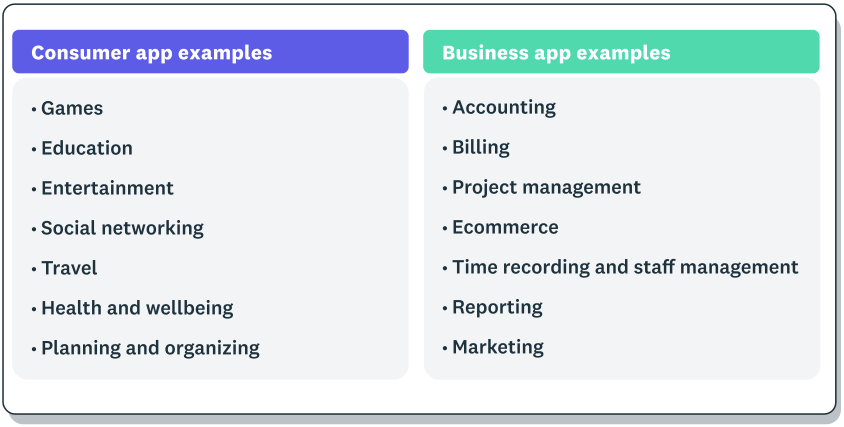
Apps and software solve specific problems for consumers or businesses, and successful products can scale to thousands of users. This category requires more technical skill or investment upfront but offers high earning potential. Startup costs range from $1,000 to $50,000+ depending on complexity, and successful apps can generate $2,000 to $100,000+ per month.
Here are ways to build an app or software business from home:
1. Build a software as a service (SaaS) product. Create a cloud-based tool that businesses or consumers pay to use on a monthly or annual subscription. Startup costs range from $5,000–$50,000+ for development, with earning potential of $5,000–$100,000+ per month.
2. Develop a mobile app. Consumer apps in categories like productivity, health, finance, and education continue to grow. Business apps that integrate with platforms like Xero accounting software also have strong demand. Startup costs are $1,000–$25,000+ for development, with earning potential of $2,000–$50,000+ per month.
3. Create browser extensions or plugins. Smaller in scope than full apps, extensions can solve focused problems and attract a loyal user base. Startup costs are $500–$5,000 for development, with earning potential of $500–$10,000+ per month.
Marketing needs to be a core part of your plan for any app or software business. For more tips on building and monetizing apps, see the guide to making money from an app.
Where to find online business ideas and inspiration
Market research helps you identify profitable opportunities and validate demand before investing time and money. Here are proven sources for discovering trending business ideas, with examples of how to use each one:
- Ecommerce platforms: browse bestsellers and trending items on Amazon, Etsy, and eBay to see what customers are actively buying
- Social media: follow hashtags and trending topics on Instagram, TikTok, Pinterest, and Facebook to spot popular interests and problems people want solved
- Crowdfunding sites: explore successful campaigns on Kickstarter and Indiegogo to see which product ideas attract real financial backing
- App stores: review top sellers, new releases, and user reviews in the Apple App Store and Google Play to find digital solutions people are willing to pay for
- Content platforms: check trending videos on YouTube, popular podcasts, and growing newsletters to identify audience interests and monetization opportunities
- Google Trends: track search volume over time for keywords related to your idea to confirm whether interest is growing, stable, or declining
- Online communities: read threads on Reddit, Quora, and niche forums to find recurring questions, complaints, and unmet needs
How to get started with your online business
Once you've chosen your idea, follow these steps to turn it into a real business. A clear plan from the start saves time and helps you avoid common mistakes.
- Create a business plan. Outline your goals, target audience, pricing, and how you'll make money. It doesn't need to be complicated; a simple one-page roadmap is enough to get started.
- Choose a business structure. Decide whether to operate as a sole proprietorship, limited liability company (LLC), or another entity type. Each structure has different tax, liability, and registration requirements. Check your state's requirements to find the right fit.
- Register your business name. Pick a name that's memorable and reflects your brand. Check that the name and matching domain are available, then register with your state or local government.
- Handle licenses and permits. Depending on your location and business type, you may need specific licenses or permits to operate legally. Your state's business registration website is the best place to check what's required.
- Set up a website. Your website is your storefront. Choose a platform (Shopify, WordPress, Squarespace, or Wix are popular options), secure a domain name, and create pages that clearly explain what you offer. For more guidance, see the guide to starting a website business.
- Set up your finances. Open a separate business bank account to keep personal and business finances apart. This makes it easier to track income, manage expenses, and prepare for tax time.
- Build a basic marketing plan. Decide how you'll reach your first customers. Social media, content marketing, email lists, and paid advertising are all effective starting points. Focus on one or two channels first and expand as you learn what works.
- Launch and iterate. Start selling, gather feedback from early customers, and make improvements. Most successful online businesses evolve significantly in their first year.
For a more detailed walkthrough, follow the starting a business checklist.
Managing your online business finances
Staying on top of your finances is one of the most important parts of running a successful online business from home. From day one, set up a clear system for tracking income and expenses so you understand your profitability and can make smarter decisions.
Good financial management also makes tax time less stressful. According to the Internal Revenue Service (IRS), you must pay self-employment tax if your net earnings from self-employment are $400 or more. Tracking your finances throughout the year helps you stay prepared and avoid surprises.
Look into tax deductions you may qualify for as an online business owner. Common deductions include home office expenses, software subscriptions, marketing costs, and business-related travel. Claiming eligible deductions reduces your taxable income and keeps more money in your business.
Using accounting software can automate many of these tasks, from invoicing to bank reconciliation to expense tracking. With a clear view of your cash flow, you can plan for growth, set aside money for taxes, and focus on running your business rather than managing spreadsheets.
Simplify your online business finances with Xero
Starting an online business from home is an exciting step. Choosing the right tools to manage your finances from the beginning sets you up for long-term success.
Xero accounting software helps online business owners track income and expenses, send invoices, reconcile bank transactions, and stay on top of tax obligations, all in one place. With real-time financial data and automated workflows, you can spend less time on bookkeeping and more time growing your business.
FAQs on online business ideas
Here are frequently asked questions about online business ideas.
What's the best online business to start from home?
The best fit depends on your available time, risk tolerance, and whether you prefer working with clients or building a product. If you want fast income with low risk, a service like freelancing or virtual assistance lets you earn within weeks. If you prefer building something that earns passively over time, digital products or content creation may be a better match.
What online business can you start with $1,000?
A $1,000 budget covers most online business models except app development or product manufacturing. The key is allocating wisely: spend roughly half on a professional website and branding, and the other half on initial marketing to attract your first customers. Many entrepreneurs start even smaller and reinvest early revenue.
What is the most profitable online business?
Profit margins matter more than total revenue when evaluating profitability. Businesses with near-zero marginal costs (like digital products and SaaS) tend to have the highest margins, sometimes above 80%. Service-based businesses can also be highly profitable, though they trade time for income until you build a team or create scalable offerings.
How much money do you need to start an online business?
Many online businesses can launch for under $500, and some for $0 if you use free tools and platforms. The biggest variable is whether your model requires inventory, software development, or paid advertising upfront. Starting lean and reinvesting profits is a common and effective approach.
How long does it take for an online business to become profitable?
Timeline depends on your model and how quickly you can attract paying customers. Freelancers and consultants often earn in their first month by tapping existing networks. Product-based and content businesses typically need three to 12 months to build enough traction for consistent revenue.
Do you need a business license to sell online?
Requirements vary by state and business type. Most states require at least a basic business registration, and you may need a sales tax permit if you sell taxable products. Your state's business registration website lists specific requirements for your location and industry.
Disclaimer
Xero does not provide accounting, tax, business or legal advice. This guide has been provided for information purposes only. You should consult your own professional advisors for advice directly relating to your business or before taking action in relation to any of the content provided.