Calculate profitability with gross and net margins
Learn how to calculate profitability, compare margins, and use simple tips to improve your results.

Written by Lena Hanna—Trusted CPA Guidance on Accounting and Tax. Read Lena's full bio
Published Tuesday 21 April 2026
Table of contents
Key takeaways
- Calculate your gross profit margin by subtracting cost of sales from revenue, then dividing by revenue and multiplying by 100 — this shows how much of each pound you keep before operating expenses.
- Distinguish between profit and profitability: profit is a fixed amount left after expenses, while profitability is a percentage that shows how efficiently your business turns revenue into profit.
- Measure your margins at least monthly and immediately after any pricing or cost changes, so you can spot problems early before they affect your cash flow.
- Improve low margins by raising prices, finding cheaper suppliers, or cutting operating costs such as rent and utilities — and consult an accountant to benchmark your margins against your industry.
What profitability means in small business
Profitability measures how efficiently your business turns revenue into profit. It's expressed as a percentage, showing how much of every pound in sales you actually keep after covering costs.
The two main profitability metrics are:
- Gross profit margin: shows the percentage of revenue left after paying direct costs like materials and labour
- Net profit margin: shows the percentage of revenue left after paying all business expenses including rent, utilities and administration
These metrics tell you exactly how much of every pound in sales you keep versus what goes back out to cover costs.
High profitability (fat margins): You keep a large portion of sales revenue as profit. This gives you financial flexibility to build current assets that comfortably cover the current liabilities of your business. It may also signal room to lower prices and increase sales volume.
Low profitability (thin margins): Most revenue goes to covering expenses. This typically indicates:
- high operating costs
- low pricing for your market
- competition based primarily on price rather than value
The difference between profit and profitability
Profit is a fixed amount: the money left after paying expenses. Profitability is a percentage: how efficiently you turn revenue into profit.
The distinction matters. A business can have high profit but low profitability if it needs massive sales to generate that profit. You want both strong profitability and healthy revenue.
Profitability metrics
Profitability metrics are the calculations used to measure how efficiently your business converts revenue into profit, and can be combined with metrics like asset turnover to determine your return on capital employed (ROCE). The most common are gross profit margin and net profit margin, sometimes called profitability ratios.
Gross profit margin
Gross profit margin measures the percentage of revenue left after paying your cost of sales (the direct costs of producing goods or services).
A higher gross margin means more money available to cover operating expenses like rent, utilities and marketing, while still generating net profit.
Net profit margin
Net profit margin measures the percentage of revenue remaining after paying all business expenses. This is the money you actually keep from sales, available to reinvest in growth or distribute to owners.
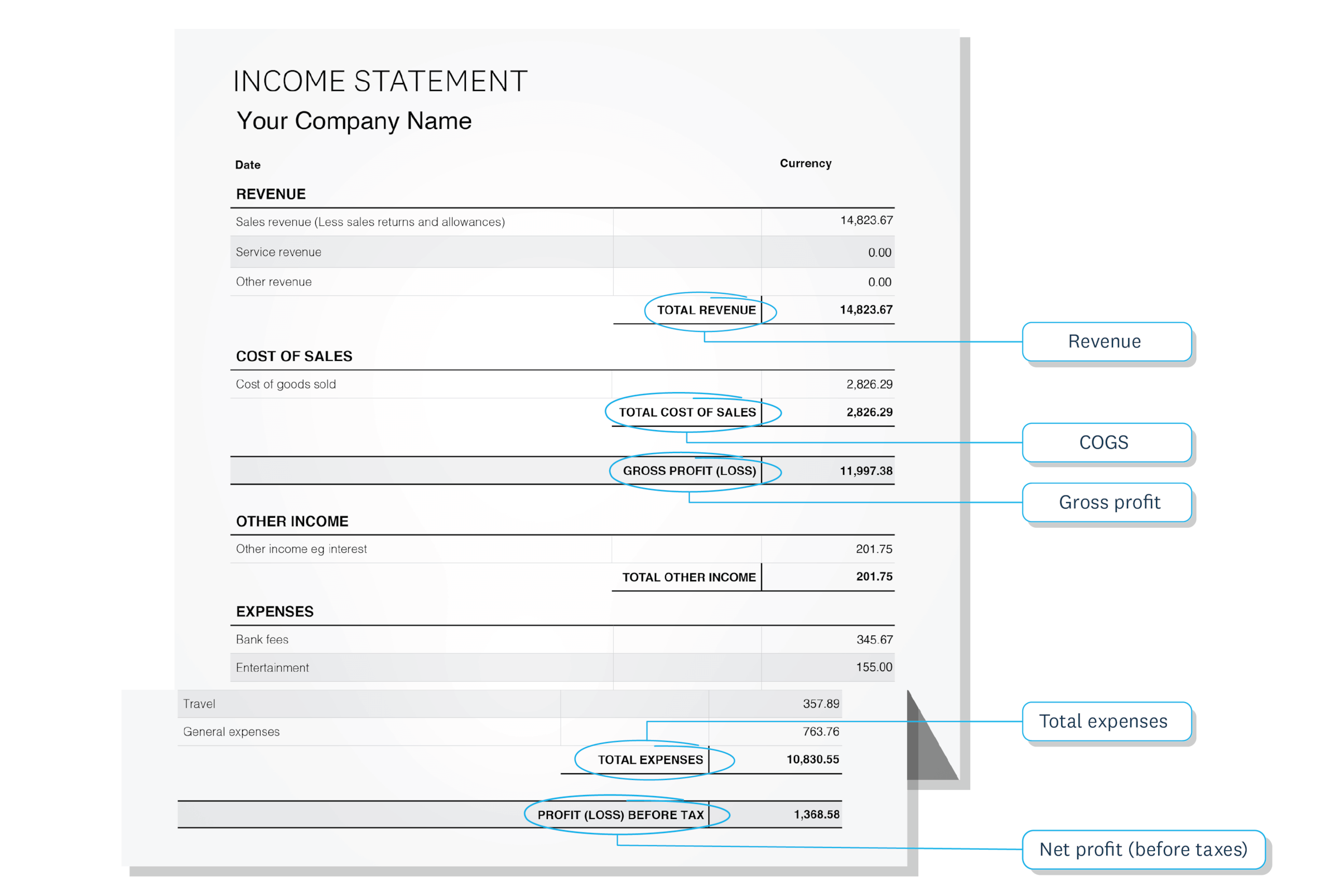
Net profit can be quoted before or after taxes. The examples in this guide use net profit before taxes.
How to measure profitability
To calculate profitability, divide your profit by revenue, then multiply by 100 to get a percentage.
The formula is: (Profit ÷ Revenue) × 100 = Profitability percentage
The key difference is which profit figure you use:
- Gross profit margin: use gross profit (revenue minus cost of sales)
- Net profit margin: use net profit (revenue minus all expenses)
You can calculate your gross profit margin using a simple formula. Use the Xero gross margin calculator to work this out.

How to measure gross profit margin
Your net profit margin shows the bottom-line profitability after all expenses. Use the Xero net profit margin calculator to check your margin.
How to measure net profit margin

*Net profit can be quoted before or after taxes. If quoting after-tax net profit then you need to also subtract taxes.
Example of profitability measurement
Here's a worked example for a business with £100,000 revenue, £60,000 cost of sales and £20,000 operating expenses:
- Calculate gross profit: £100,000 revenue − £60,000 cost of sales = £40,000 gross profit
- Calculate gross profit margin: (£40,000 ÷ £100,000) × 100 = 40% gross profit margin
- Calculate net profit: £100,000 revenue − £80,000 total expenses = £20,000 net profit
- Calculate net profit margin: (£20,000 ÷ £100,000) × 100 = 20% net profit margin
How to measure profitability with software
Accounting software automates profitability calculations, eliminating manual spreadsheet work. With Xero accounting software, you can:
- access instant margins through Xero Analytics by selecting your measurement period
- generate automatic reports with profit and loss statements showing your margins
- track trends over time using real-time dashboards that monitor profitability changes
Why it's important to keep measuring profitability
Regular profitability measurement prevents cash flow problems and reduces business stress. When margins shrink, you face:
- cash flow issues: less profit means less money to cover expenses and debt payments, keeping in mind that an interest cover ratio in excess of three is usually considered safe for meeting interest payments
- increased pressure: tight margins leave no room for unexpected costs
- difficult decisions: balancing competitive pricing with sustainable profits becomes harder
Margins change constantly, so regular measurement helps you maintain healthy margins and spot problems early. Common causes of margin changes include:
- cost fluctuations: raw materials, energy, transport and rent increases
- market conditions: interest rates, exchange rates and competitive pressure
- business growth: new expenses and changing customer demands
How to manage profitability
Managing profitability requires consistent monitoring and clear benchmarks.
When to measure:
- Monthly for trend tracking
- Immediately when costs change
- During competitive pricing pressures
How to set targets:
- Establish your preferred margin as a benchmark
- Consult industry-specific accountants for sector norms, as ideal financial targets often vary depending on the industry in which the business operates
- Adjust targets based on business goals and market conditions
How to improve low margins:
- Increase prices: raise rates for products or services
- Reduce cost of sales: find cheaper suppliers or improve efficiency
- Cut operating expenses: lower rent, utilities or administrative costs
For detailed strategies, see the guide on how to increase profits.
Taking control of your business profitability
Measuring profitability gives you the clarity and confidence to steer your business towards success. By tracking your margins regularly, you can make smarter decisions, spot opportunities and build a more resilient business.
Ready to focus on running your business? Get one month free and see how easy it is to get real-time insights into your profitability.
FAQs on calculating profitability
Here are answers to common questions about calculating profitability.
What is the formula for profitability?
Divide profit by revenue, then multiply by 100. Use gross profit for gross margin or net profit for net margin.
How often should I measure profitability?
Review profitability monthly to spot trends early. Also measure immediately after any significant changes to pricing, suppliers or expenses.
What profit margin should I aim for?
Healthy profit margins vary by industry. Retail businesses often operate on 2–5% net margins, while professional services may achieve 15–25%. Consult an accountant familiar with your sector for relevant benchmarks.
Disclaimer
Xero does not provide accounting, tax, business or legal advice. This guide has been provided for information purposes only. You should consult your own professional advisors for advice directly relating to your business or before taking action in relation to any of the content provided.
Get one month free
Purchase any Xero plan, and we will give you the first month free.