How to start a clothing brand in the UK
Learn how to launch a clothing brand in the UK, from finding your niche to selling online.
Written by Jotika Teli—Certified Public Accountant with 24 years of experience. Read Jotika's full bio
Published Friday 15 May 2026
Table of contents
Key takeaways
- The UK fashion industry generates more than £68 billion in revenue, creating real opportunities for independent clothing brands that identify a clear niche and target audience.
- Starting a clothing brand requires careful financial planning; expect to invest between £1,000 and £10,000 or more depending on your business model, with options like print-on-demand reducing upfront costs significantly.
- Registering your business properly, whether as a sole trader or limited company, and understanding UK labelling, trademark, and compliance requirements sets a strong foundation from day one.
- Building a recognisable brand identity and investing in an online store with strong product photography helps you stand out in a competitive market and reach customers across the UK and beyond.
Why start a clothing brand?
Fashion is one of the most accessible industries for new business owners, and the UK market offers genuine scale. The UK fashion industry generated more than £68 billion in revenue in 2025, according to Spring Fair, making it one of the largest consumer markets in the country.
You don't need a fashion degree or massive warehouse to get started. With online selling platforms, print-on-demand services and social media marketing, it's possible to launch a clothing brand from your spare room. Many successful UK brands started exactly that way.
If you're looking for online business ideas or home business ideas, a clothing brand gives you creative freedom alongside real commercial potential. You can start small, test your designs with a focused audience and scale as demand grows.
Understanding the commitment to start a clothing line
Before you invest time and money, it's worth being honest about what launching a clothing brand involves. The fashion industry rewards persistence, but it also demands patience and flexibility.
A useful rule of thumb: whatever you estimate in terms of time, cost and effort, triple it. Designing a collection, sourcing materials, building a brand and attracting your first customers all take longer than most people expect. That's not a reason to hold back; it's a reason to plan thoroughly.
The brands that succeed tend to treat this as a proper business from day one, with clear financial targets, realistic timelines and a willingness to adapt. If you approach your clothing brand with that mindset, you'll be far better prepared for the challenges ahead.
Find your fashion niche and target market
The clothing market is crowded, so your first job is to identify a specific niche and get to know the people you're designing for. A focused brand with a clear audience will always outperform one that tries to appeal to everyone.
Start by thinking about what makes your clothing different. Consider these areas when defining your niche:
- The type of clothing you'll offer: streetwear, sustainable fashion, activewear, occasion wear or workwear
- The price point you're targeting: budget, mid-range or premium
- The values your brand represents: sustainability, inclusivity, local manufacturing or trend-led design
- The gap in the market you've identified through your own shopping experiences or customer feedback
Once you've narrowed your focus, research your target customer. Think about their age, lifestyle, income, shopping habits and where they spend time online. Tools like Google Trends, social media polls and fashion forums can give you useful insight into what people are searching for and buying.
Analyse your competitors
Understanding your competitors helps you position your brand and spot opportunities they've missed. Look at both large retailers and independent brands operating in your niche.
When researching competitors, pay attention to these factors:
- Their price points and how they position themselves
- The quality of their product photography and brand storytelling
- How they engage with customers on social media
- Their customer reviews, especially recurring complaints or praise
- Gaps in their product range that you could fill
Calculate your startup costs
Knowing your numbers from the start helps you avoid cash flow surprises and make confident decisions about how to grow. Clothing brand startup costs in the UK vary widely depending on your business model.
Here are typical cost ranges in GBP for a new clothing brand:
- Initial fabric and materials: £200 to £2,000
- Sample development: £100 to £1,000 per design
- Branding and logo design: £200 to £1,500
- Website and e-commerce platform: £30 to £300 per month
- Product photography: £200 to £1,000
- Initial inventory or print-on-demand setup: £500 to £5,000
- Packaging and labelling: £100 to £500
A print-on-demand model can bring your initial investment down to under £1,000, since you only produce items after a customer orders. If you're manufacturing in bulk, expect to invest £3,000 to £10,000 or more for your first collection.
You have several options for funding your clothing brand:
- Personal savings: the most common starting point for small fashion brands
- Small business loans: available from high street banks and online lenders
- Government grants: check local council and UK government schemes for creative industries
- Crowdfunding: platforms like Kickstarter or Crowdfunder let you test demand while raising funds
For a detailed breakdown of what to budget for, read this guide on startup business costs.
Create a business plan for your clothing brand
A solid business plan turns your idea into a structured roadmap, and it's essential if you're applying for funding. Even if you're self-funding, writing a plan forces you to think through every part of your business.
Your clothing brand business plan should include these key sections:
- Executive summary: a brief overview of your brand, target market and goals
- Market analysis: your niche, target customers and competitive landscape
- Marketing plan: how you'll reach customers through social media, paid advertising and partnerships
- Financial projections: expected costs, revenue forecasts and break-even timeline
- Operations plan: your supply chain, production methods and fulfilment process
Be specific with your financial projections. Map out your costs for the first 12 months, estimate your pricing and calculate how many units you need to sell to cover your expenses. This kind of clarity gives you confidence and helps you spot problems early.
You can use Xero's free business plan template to get started, and read more about how to write a business plan for step-by-step guidance. A starting a business checklist can also help you keep track of everything you need to do.
Register your clothing business in the UK
Registering your business properly protects you legally, builds credibility with customers and ensures you meet your tax obligations from the start. The UK has clear processes for setting up, and most can be completed online.
Sole trader vs limited company
Your first decision is how to structure your business. The two most common options are:
- Sole trader: simpler to set up, with less paperwork. You report your income through Self Assessment and keep all profits after tax. You're personally liable for any business debts.
- Limited company: registered with Companies House (£12 online). Your personal finances are separate from the business, which limits your liability. There's more admin, including annual accounts and Corporation Tax returns.
- Partnership: if you're starting the brand with someone else, a business partnership lets you share responsibilities and profits. You'll each need to register for Self Assessment.
Many clothing brands start as sole traders and convert to a limited company as they grow. Read more about how to register as a sole trader.
HMRC registration and tax
You must register with HM Revenue and Customs (HMRC) for Self Assessment if you're a sole trader, or for Corporation Tax if you form a limited company. If your turnover exceeds £90,000, you'll also need to register for Value Added Tax (VAT). Making Tax Digital (MTD) for VAT requires you to keep digital records and submit returns using compatible software.
Protect your brand with trademarks
Registering a trademark with the Intellectual Property Office (IPO) protects your brand name, logo and designs from being copied. The process costs from £170 for one class of goods and takes around four months. It's a worthwhile investment for any fashion brand planning to grow.
UK compliance and labelling requirements
Clothing sold in the UK must meet specific standards. Key requirements include:
- Fibre content labelling: garments must display accurate fibre composition
- Care labelling: washing and care instructions, typically using standardised symbols
- UK REACH compliance: chemicals used in textile production must be registered under the UK Registration, Evaluation, Authorisation and Restriction of Chemicals (REACH) regulations
- Trading standards: your local trading standards office can advise on consumer safety regulations
- Flammability standards: certain garments, especially children's nightwear, must meet fire safety requirements
Build your brand identity
Your brand identity is what makes customers remember you and choose you over competitors. It goes beyond a logo; it's the entire visual and emotional experience of your brand.
Start with your brand name. Choose something memorable, easy to spell and relevant to your niche. Before committing, check that the name is available as a domain, on social media platforms and as a UK trademark through the IPO register.
Your visual identity should include these core elements:
- A logo that works across different sizes and formats, from clothing labels to social media profiles
- A colour palette that reflects your brand personality; tools like Pantone can help you choose consistent colours
- Typography that complements your logo and works on your website, packaging and marketing materials
- A consistent photography style for product shots and lifestyle images
Your brand story matters too. Customers connect with brands that have a clear purpose. Write a short brand story that explains why you started, what you stand for, and who you design for. This story should inform your tone of voice across all channels, from product descriptions to social media captions.
Design and develop your clothing line
Turning your brand concept into actual garments is where your vision becomes tangible. Whether you're designing everything yourself or working with a professional, planning your collection carefully will save time and money.
Plan your collection
Start with a manageable number of pieces. A mix of evergreen basics and seasonal styles gives you consistent revenue alongside opportunities to generate excitement with new drops. Most independent brands launch with 5 to 15 designs in their first collection.
Think about these factors when planning:
- Your core pieces: items that define your brand and sell year-round
- Seasonal additions: styles that respond to trends or specific occasions
- Size range: offering inclusive sizing can set you apart from competitors
- Fabric choices: balance quality, cost and your brand values, whether that's organic cotton, recycled materials or locally sourced textiles
Design tools and working with professionals
If you have design skills, tools like Adobe Creative Cloud let you create technical drawings and mood boards. If design isn't your strength, freelance fashion designers on platforms like Fiverr or Upwork can bring your ideas to life.
For formal fashion design training, the London College of Fashion offers courses ranging from short programmes to full degrees. Online platforms like Coursera also provide affordable fashion design courses.
Adapt to trends without losing your identity
Trends move fast in fashion, but chasing every trend can dilute your brand. Instead, filter trends through your brand's identity. If a colour or silhouette aligns with your aesthetic, adapt it in a way that feels authentic to your label. Trend forecasting tools like WGSN can help you plan ahead.
Don't forget branded labels and tags. Custom woven labels, hang tags and packaging all reinforce your brand identity when a customer receives their order. For more guidance on starting an online business, Xero has resources to help.
Source fabrics and find manufacturers
Finding reliable suppliers and manufacturers is one of the most important steps in building a clothing brand. The right partnerships affect your product quality, margins and ability to scale.
Finding suppliers
You can source fabrics and trims from UK-based suppliers, overseas manufacturers or a combination of both. UK suppliers often offer lower minimum orders and faster turnaround, while overseas suppliers may offer lower per-unit costs at higher volumes.
When evaluating suppliers, consider these factors:
- Minimum order quantities and lead times
- Fabric quality, weight and suitability for your designs
- Price per metre or per unit
- Certifications for sustainability or ethical production
- Willingness to send samples before you commit
Types of manufacturers
Manufacturing options vary depending on your budget and how involved you want to be in production:
- Cut, make and trim (CMT): you supply the fabric and patterns, and the manufacturer handles cutting, sewing and finishing. This gives you the most control over materials
- Full-package production: the manufacturer handles everything from sourcing fabric to delivering finished garments. This is simpler but usually requires higher minimum orders
- Print-on-demand: a third party prints your designs onto blank garments and ships directly to customers. This is the lowest-risk option with no upfront inventory costs
If you're interested in a low-inventory model, read more about how to dropship as an alternative approach.
Requesting samples and quality control
Always request samples before placing a bulk order. Check stitching, fabric quality, sizing accuracy and overall finish. It's worth ordering from two or three manufacturers to compare quality before committing to a long-term partnership.
Build quality control checkpoints into your process. Inspect samples against your specifications, and consider visiting the factory if you're working with a local manufacturer. Clear communication about your standards upfront helps avoid costly issues later.
Manage inventory and control quality
Effective inventory management keeps your cash flow healthy and ensures customers get what they ordered, on time and in the right quality. Getting this right from the beginning prevents overstock, stockouts and wasted money.
If you're manufacturing in bulk, start conservatively. Order smaller quantities of each style and size, then reorder based on actual sales data. This approach reduces the risk of sitting on unsold stock, especially for your first collection.
Print-on-demand is a useful option if you want to minimise inventory risk entirely. You only produce each item after a customer places an order, so there's no upfront stock investment. The trade-off is lower margins and less control over shipping times.
As your brand grows, tracking inventory manually becomes difficult. Dedicated inventory management software helps you monitor stock levels, set reorder points and see which products are selling well. Keeping accurate records also makes tax reporting and financial planning much simpler.
Maintain quality standards
Consistency builds trust. Set clear quality standards for every product, including stitching tolerances, fabric weight, colour accuracy and sizing. Document these standards so that anyone involved in your supply chain knows what's expected.
Inspect each batch of products when it arrives. Check a sample from every delivery against your quality checklist. If something falls short, address it with your manufacturer immediately rather than shipping substandard products to customers.
Build an online clothing store
Your online store is your shop window, fitting room and checkout counter all in one. A well-built e-commerce site makes it easy for customers to find, explore and buy your products.
Choose a platform
Several e-commerce platforms work well for clothing brands in the UK. Each offers different features, pricing and levels of customisation:
- Shopify: popular with fashion brands, with strong template options and built-in payment processing
- WooCommerce: a flexible option if you already use WordPress
- Squarespace: good for visually driven brands that want clean, design-focused templates
- Etsy: useful for testing the market alongside your own site, especially for handmade or bespoke items
Consider factors like monthly costs, transaction fees, mobile responsiveness and how easily the platform integrates with your accounting and inventory tools.
Essential pages and features
A complete online clothing store should include these pages:
- Homepage with clear branding and featured products
- Product pages with multiple photos, detailed descriptions and sizing information
- A sizing guide: reduces returns and builds customer confidence
- About page: your brand story, values and the people behind the label
- Contact page: an easy way for customers to reach you
- FAQ page: covering shipping, returns, care instructions and delivery times
- Clear returns and exchange policy
Product photography
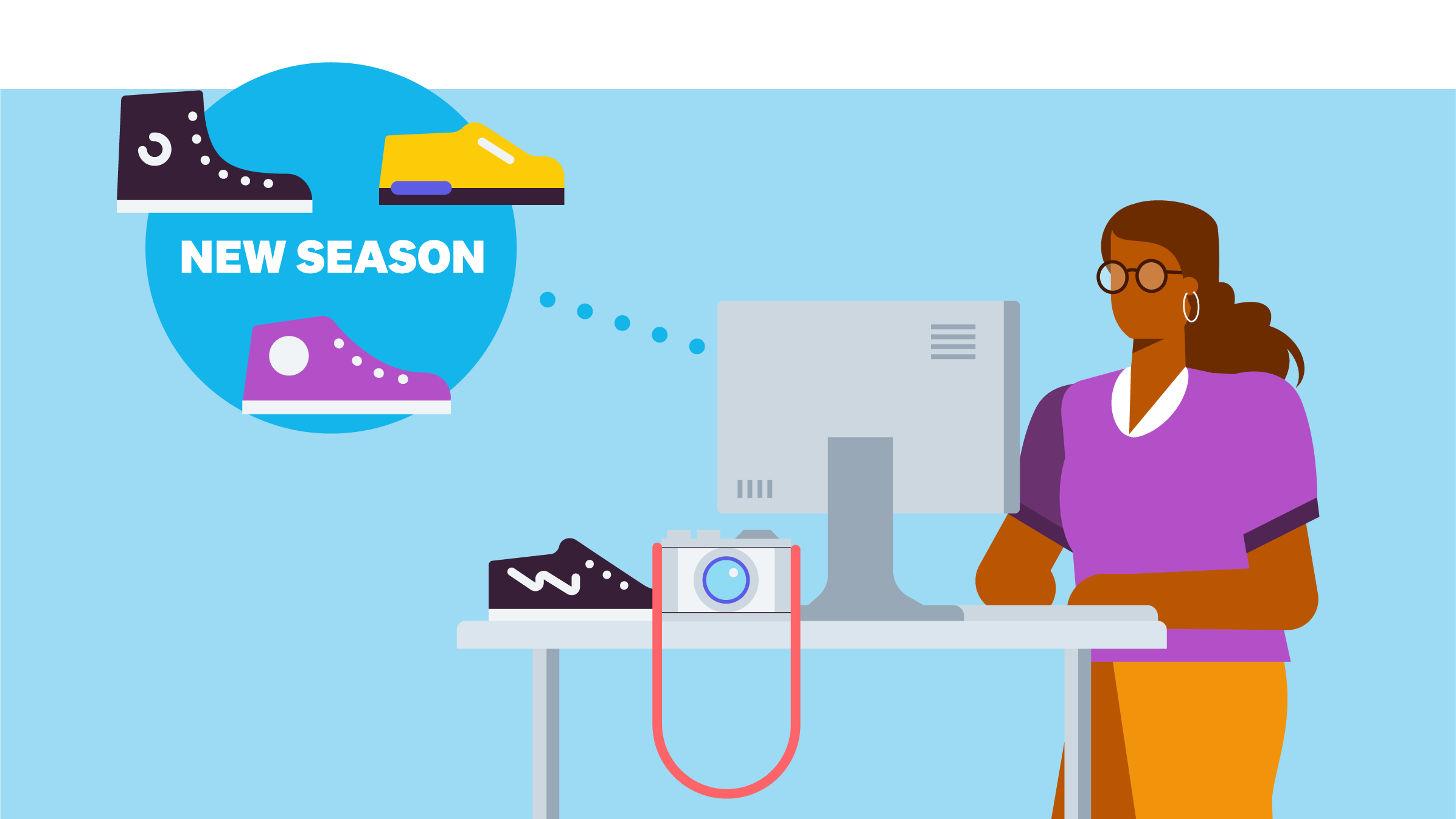
Strong product photography is one of the biggest factors in online sales. You don't need a professional studio to start, but you do need consistent, well-lit images.
A few tips that make a difference:
- Use natural light or a simple lighting setup with a clean background
- Show each garment from multiple angles
- Include close-up shots of fabric texture and details
- Use models or mannequins to show fit and drape
- Keep your editing style consistent across all products
For broader guidance, Xero's resources on how to start an e-commerce business and e-commerce for small businesses cover the essentials.
Market your clothing brand
Even the best-designed clothing won't sell if nobody knows about it. A consistent, multi-channel marketing approach helps you build awareness, attract customers and drive repeat purchases.
Social media marketing
Social platforms are where most clothing brands build their audience first. Focus on the channels where your target customers spend their time. Instagram and TikTok are particularly strong for fashion, thanks to their visual formats and discovery features.
Effective social media strategies for clothing brands include:
- Posting consistently with a mix of product shots, behind-the-scenes content and styling inspiration
- Using relevant hashtags and location tags to expand your reach
- Engaging with followers through comments, stories and direct messages
- Collaborating with micro-influencers who align with your brand values
- Running targeted ads to reach specific demographics and interests
Content marketing and email
Beyond social media, content marketing and email help you build deeper relationships with your audience. Consider starting a blog on your website covering styling tips, behind-the-scenes updates and fashion advice relevant to your niche.
Build an email list from day one. Offer an incentive for sign-ups, such as a discount code or early access to new collections. Regular email newsletters keep your brand visible and drive traffic back to your store during launches and sales.
Influencer partnerships
Working with influencers can accelerate your brand's visibility. Focus on authentic partnerships with people who genuinely fit your brand aesthetic. Micro-influencers with 1,000 to 50,000 followers often deliver stronger engagement rates than larger accounts, and they're more accessible for new brands.
Send product samples, agree on clear deliverables and track the results. Even a few well-chosen partnerships can introduce your brand to thousands of potential customers.
Grow your clothing brand
Once you've established your brand online, the next step is finding new ways to reach customers and increase revenue. Growth comes from both reaching new audiences and keeping existing customers coming back.
Expand into retail and events
Selling in person gives customers a chance to see and feel your products, which can be a powerful way to build loyalty and brand recognition. Options for getting your clothing in front of people include:
- Pop-up shops: temporary retail spaces in high-footfall areas let you test physical retail without a long-term lease
- Markets and fairs: local craft markets, fashion events and seasonal fairs are affordable ways to reach new customers
- Wholesale: approaching independent boutiques and retailers can significantly increase your volume, though margins are lower
Explore international selling
Once your UK operations run smoothly, selling internationally can open up significant new revenue. Start with markets that share a language and similar fashion tastes, and research customs, shipping costs and local regulations before committing.
Retain your customers
Repeat customers are more profitable than new ones, so investing in retention pays off. Strategies that work well for clothing brands include:
- Loyalty programmes that reward repeat purchases
- Personalised email campaigns based on past buying behaviour
- Exclusive early access to new collections for existing customers
- Excellent customer service, including fast responses and hassle-free returns
- Requesting and acting on customer feedback to improve your products
Track your metrics closely. Monitor which products sell best, which marketing channels deliver the highest return, and where customers drop off in the buying process. Use that data to make informed decisions about where to invest as you scale.
Simplify your clothing brand finances with Xero
Managing finances gets more complex as your clothing brand grows, from tracking materials costs to reconciling online sales and handling VAT. Xero accounting software helps you stay on top of invoices, expenses and cash flow in real time, so you can focus on designing and selling. Get one month free and see how Xero can support your clothing brand from day one.
FAQs on starting a clothing brand
Here are answers to some of the most common questions about launching a clothing brand in the UK.
How much money do you need to start a clothing brand?
You can start a clothing brand in the UK for as little as £500 to £1,000 using a print-on-demand model, which removes the need for upfront inventory. If you're manufacturing your own collection, expect to invest between £3,000 and £10,000 or more for your first production run, depending on the number of designs and order quantities.
Can I start a clothing brand with no experience?
Yes. Many successful clothing brand founders started with no formal fashion training. You can learn design basics through online courses on platforms like Coursera, outsource design work to freelancers and focus your energy on brand building, marketing and customer relationships.
Is starting a clothing brand a good business idea?
The UK fashion market is large and continues to grow, particularly in online retail. Success depends on choosing a clear niche, managing your finances carefully and building a brand that resonates with a specific audience. With relatively low barriers to entry, especially through e-commerce and print-on-demand models, a clothing brand can be a strong business opportunity.
Do I need a licence to start a clothing brand in the UK?
You don't need a specific licence to sell clothing in the UK. However, you must register your business with HMRC, either as a sole trader or a limited company. Your products must meet UK labelling requirements for fibre content and care instructions, and comply with UK REACH regulations for chemical safety. If you're selling children's nightwear, you'll also need to meet flammability standards.
Are clothing businesses profitable?
Clothing businesses can be profitable, but margins vary depending on your business model. Direct-to-consumer brands typically achieve higher margins than those selling through wholesale. Keeping a close eye on production costs, pricing strategically and managing inventory well are the key factors that determine profitability.
How much does it cost to start a small clothing business from home?
Starting from home keeps your overheads low. With a print-on-demand approach, you can launch for under £1,000, covering website fees, branding and initial marketing. If you're holding stock, budget around £2,000 to £5,000 for a small first collection, including fabric, samples, packaging and product photography. Working from home means you save on rent, and many costs are tax-deductible.
Download the guide to starting a business
Learn how to start a business, from ideation to launch. Fill out the form to receive this guide as a PDF.
Disclaimer
Xero does not provide accounting, tax, business or legal advice. This guide has been provided for information purposes only. You should consult your own professional advisors for advice directly relating to your business or before taking action in relation to any of the content provided.
Get one month free
Purchase any Xero plan, and we will give you the first month free.