Petty cash explained: what it is and how to manage it
Petty cash helps you cover small business expenses. Learn how it works and how to manage it.

Written by Lena Hanna—Trusted CPA Guidance on Accounting and Tax. Read Lena's full bio
Published Friday 17 April 2026
Table of contents
Key takeaways
- Implement the imprest system to keep your petty cash fund at a fixed amount, so you can quickly check that remaining cash plus receipts always equals your starting balance.
- Collect a receipt and complete a voucher for every petty cash purchase, no matter how small, as HMRC requires limited companies to keep these records for six years.
- Set a spending cap on individual petty cash purchases, such as £25, and reconcile the fund at least weekly to catch errors early and prevent misuse.
- Use digital expense tools to replace physical cash handling, giving you a clear audit trail, fewer lost receipts, and real-time visibility of your spending.
What is petty cash?
Petty cash is a small amount of company money you keep on hand for minor business expenses. It acts as a cash float for times when you can't use a cheque or company card, such as paying for a small delivery or buying milk for the office kitchen.
A petty cash fund makes handling small, everyday purchases simpler while keeping your records accurate, which helps protect you from being fined £3,000 by HMRC for failing to maintain company accounts.
Understanding the imprest system
Most petty cash funds use the imprest system, which means you keep a fixed amount in the fund at all times. When you spend money, you collect receipts. When you replenish the fund, you add back exactly what was spent, returning the balance to its original amount.
This system makes it simple to reconcile your accounts. At any point, your remaining cash plus your receipts should equal your starting fund amount.
What is petty cash used for?
You use petty cash for small, infrequent purchases that support your daily business needs. While every business is different, common uses include:
- Employee reimbursements: repaying staff for buying coffee for a client meeting (employers must keep these records for three years from the end of the tax year)
- Postage and delivery: covering small courier fees or stamps
- Office supplies: purchasing pens, notebooks, or stationery
- Local travel: paying for bus fare, parking, or taxi fares
- Refreshments: buying tea, coffee, and milk for the office
How to set up a petty cash fund
Setting up a petty cash fund takes just a few steps and helps you manage small expenses from day one.
- Decide on the fund amount. Start with an amount that suits your business needs, typically between £50 and £200. You can adjust it later.
- Appoint a custodian. Choose a trusted employee to manage the fund, hand out cash, and collect receipts.
- Withdraw the cash. Take the chosen amount from your business bank account.
- Record the first journal entry. Log the withdrawal in your accounting records to show the money has moved from your bank to your petty cash fund.
- Store it securely. Keep the cash in a locked box or drawer that only the custodian can access.
How to record petty cash
To record petty cash, track three things: vouchers for each expense, a running balance in your petty cash book, and general ledger entries. Xero accounting software can automate much of this process.
To track petty cash effectively:
- Create a voucher: note the expense, how it relates to your business, the employee's name, and attach the receipt
- Update your petty cash book: record all expenses and cash additions to track your fund's running balance
- Post to the general ledger: credit your petty cash account and debit the relevant expense account
Example of petty cash book or spreadsheet format
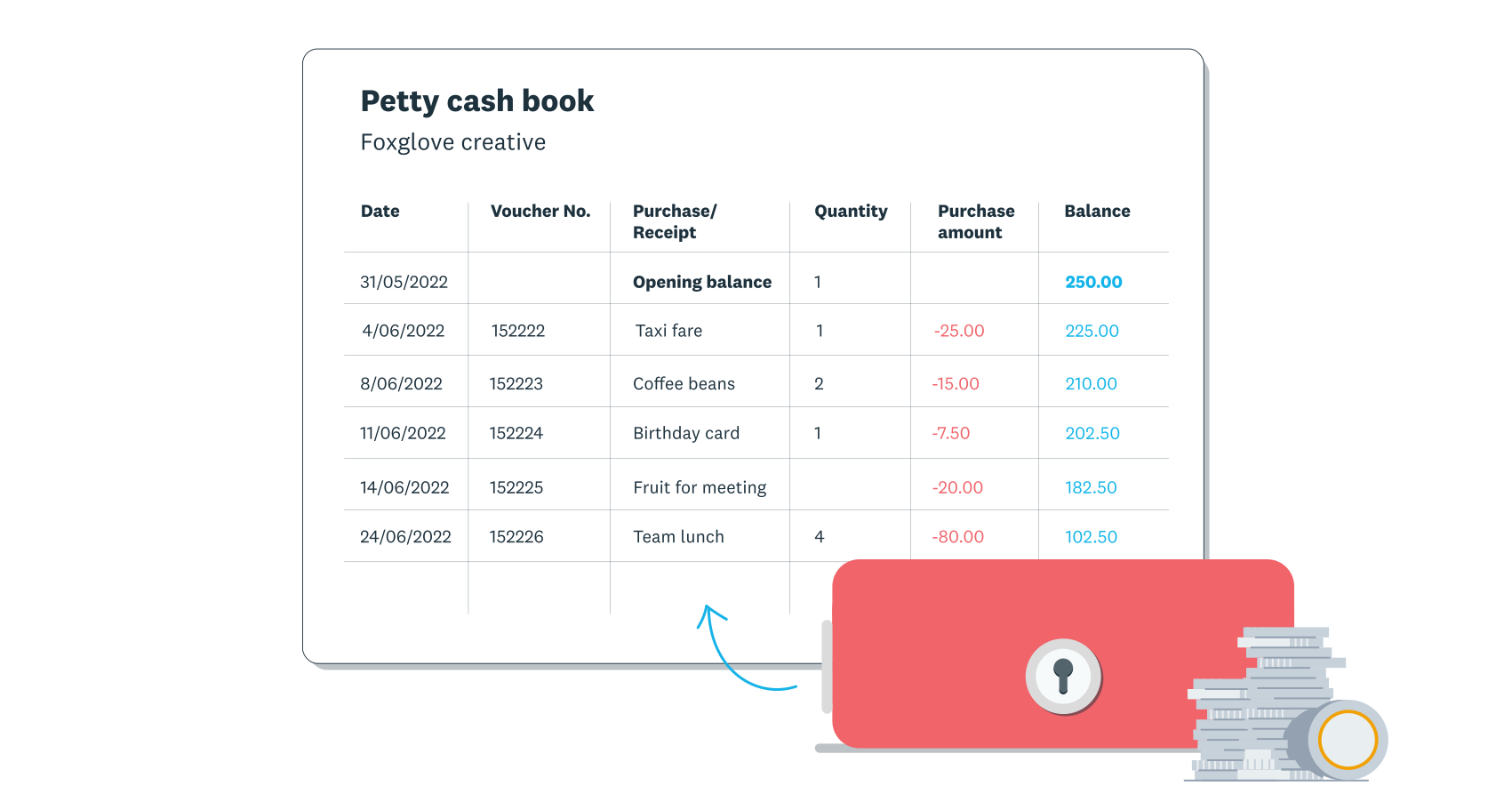
A petty cash book is a simple record that tracks all money coming in and going out of your petty cash fund. A typical petty cash book includes columns for:
- Date: when the transaction occurred
- Voucher number: a reference for each expense
- Description: what the money was spent on
- Amount out: cash paid from the fund
- Amount in: cash added to replenish the fund
- Balance: the running total remaining in the fund
How does petty cash work?
Petty cash works through a fund and reimburse cycle: you set aside money for small expenses, track spending with receipts, and top up the fund when it runs low. Most businesses keep between £100 and £1,000 in their petty cash fund, depending on size and needs.
Setting up the fund
When you create your petty cash fund, record a debit to your petty cash account and a credit to your bank account. For example, if you withdraw £200 to start your fund, you note the withdrawal from your bank and show the cash now sits in petty cash.
Day to day process
When employees incur small expenses, they bring a receipt to you or your petty cash custodian. The process works like this:
- Collect the receipt: note the expense in a petty cash book or spreadsheet
- Reimburse the employee: pay them from the petty cash fund
- Alternative approach: give employees cash upfront, then collect the receipt afterwards
Topping up the fund
When the fund runs low, the custodian checks that receipts plus remaining cash equal the original fund amount. The bookkeeper then withdraws more cash from the bank to restore the balance and records the expenses in the general ledger.
If you run a small business, you may handle all these steps yourself. Learn more about creating a small business budget.
Best practices for managing petty cash
Good habits help you keep your petty cash in order and avoid problems:
- Collect receipts: get a receipt for every purchase, no matter how small, as limited companies are required to keep these records for six years
- Use vouchers: complete a voucher for every withdrawal, stating the amount, reason, and recipient
- Set spending limits: cap petty cash purchases at a set amount, such as £25, and use your normal expense process for larger amounts
- Reconcile regularly: check that the cash plus receipts equals the starting amount at least weekly or monthly
- Replenish promptly: top up the fund with the exact amount spent to restore the original balance, and record all expenses in your accounting software
Common petty cash mistakes to avoid
Even simple systems can go wrong. Common errors include:
- Missing receipts: always collect a receipt or create a voucher for every expense
- Fund too large: keeping too much cash increases security risks and makes it harder to reconcile
- Fund too small: running out of cash forces you to top up too often
- Reconciling too infrequently: waiting too long to reconcile makes it harder to spot errors or missing money
- No spending limits: without a cap on individual purchases, petty cash can be misused for larger expenses
Managing petty cash with accounting software
Accounting software offers a simpler, more secure alternative to a physical cash box. Instead of handling cash, your team can use digital tools that make tracking spending easy.
With Xero Expenses, employees can snap a photo of a receipt on their phone, and Xero captures the details automatically. You then review and approve expenses online and reimburse employees through payroll. Learn more about payroll accounting software.
Going digital offers several benefits:
- Clear audit trail: every expense is logged with a timestamp and receipt image
- Reduced risk: no lost receipts or missing cash
- Time savings: less manual data entry and faster reconciliation
- Real-time visibility: see your spending as it happens
Simplify your petty cash management
A well-managed petty cash system saves you time, keeps your records accurate, and gives you confidence that small expenses are under control. The key is having clear processes: a designated custodian, consistent receipt collection, and regular reconciliation.
Digital tools can make expense management easier than handling physical cash. Digital tools help you keep receipts organised, maintain fund levels, and save time on tracking.
Xero's expense management tools let you capture receipts, approve spending, and track every pound from your phone. Want to try automated tracking? Get one month free of Xero and see how much easier managing business expenses can be.
FAQs on petty cash
Here are answers to some common questions about petty cash.
How much petty cash is allowed in the UK?
There's no legal limit on how much petty cash a UK business can hold. However, most small businesses find a float between £50 and £200 is enough to cover minor expenses. Keep only what you need to reduce security risks and make it simpler to reconcile.
Is petty cash an asset or expense?
Petty cash is an asset. It appears on your balance sheet as a current asset because it represents cash your business owns. When you spend petty cash on business expenses, those individual purchases become expenses on your profit and loss statement.
Disclaimer
Xero does not provide accounting, tax, business or legal advice. This guide has been provided for information purposes only. You should consult your own professional advisors for advice directly relating to your business or before taking action in relation to any of the content provided.
Get one month free
Purchase any Xero plan, and we will give you the first month free.