Basis of accounting
Learn what the basis of accounting is and how cash, accrual and hybrid methods affect your NZ business.
Published Thursday 23 July 2026
Table of contents
Key takeaways
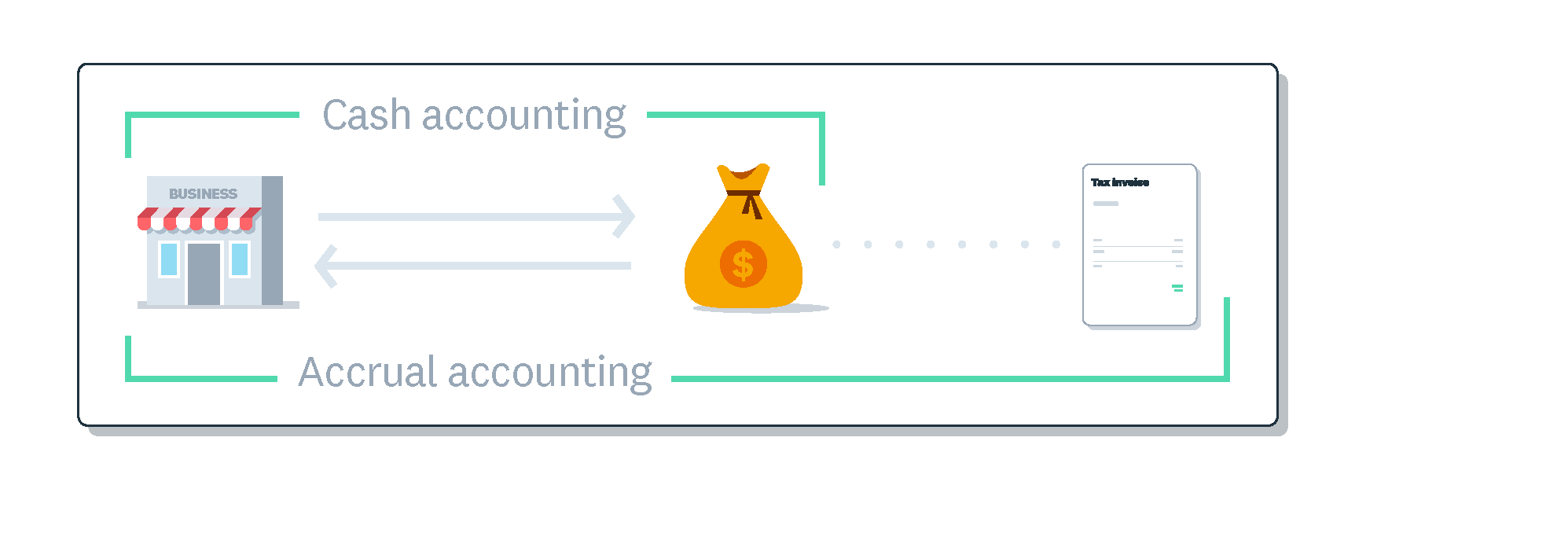
Basis of accounting determines the point at which you recognise transactions.
- The basis of accounting is the rule that decides when you record income and expenses in your books.
- Cash basis records transactions when money changes hands, so it gives a clear short-term view of the money you have on hand.
- Accrual basis records transactions when they are earned or incurred, so it gives a fuller long-term picture of profitability.
- In New Zealand you can account for GST on a payments basis or an invoice basis, with eligibility set by Inland Revenue.
What is the basis of accounting?
The basis of accounting is the set of rules that decides when you record a transaction in your books. It determines the point at which you count a sale as income or a purchase as an expense.
Your basis of accounting sets the timing for recognising transactions, and that timing shapes what your reports show. A cash basis gives you a shorter-term view of your liquidity, while an accrual basis gives you a longer-term picture of your profitability.
The two main methods are cash basis and accrual basis, and some businesses use a hybrid of both. The rest of this page explains each one and how to choose.
Cash basis accounting explained
Cash basis accounting records a transaction only when money actually changes hands. You count income when a customer pays you, and you count an expense when you pay a bill.
This method keeps things simple and shows you how much cash you have at any point. Many sole traders and smaller businesses start with cash basis because it maps closely to their bank balance, which is one reason cash accounting is a common starting point.
Accrual basis accounting explained
Accrual basis accounting records income when it is earned and expenses when they are incurred, regardless of when the money moves. So you record a sale when you raise the invoice, not when the customer pays.
This approach follows the matching principle, which means you record expenses in the same period as the income they helped you earn. That gives a truer view of profitability over time, and you can read more in our guide to accrual accounting.
Cash vs accrual: a simple example
A worked example shows the timing difference most clearly. Imagine you raise a $2,000 invoice to a client in March, and the client pays you in April.
Under cash basis, you record the $2,000 as income in April, when the payment lands in your bank account. Under accrual basis, you record it as income in March, when you earned it by raising the invoice.
The same logic applies to expenses, so a supplier bill received in March but paid in April sits in different months depending on your basis. Keeping tidy records makes this easier, and our guide to recording accounting transactions walks through the practical steps.
The hybrid (modified) basis of accounting
The hybrid basis, sometimes called the modified basis, uses cash basis for some transactions and accrual basis for others. A business might record day-to-day income on a cash basis but track larger purchases and liabilities on an accrual basis.
This mix can suit specific circumstances, but it can also be legally complex and affect how you report tax. It is best set up with support from an accountant or tax professional who understands your obligations.
Advantages and disadvantages of each basis
Each basis has trade-offs, and the right fit depends on how your business runs. The advantages of cash basis are worth weighing first.
- Keeps bookkeeping simple and easy to follow
- Shows a clear, real-time view of the cash you have available
- Suits smaller businesses with straightforward transactions
Cash basis also has some drawbacks to keep in mind.
- Hides money you are owed or money you owe until it moves
- Gives a limited view of longer-term profitability
- Can make it harder to plan for upcoming costs
Accrual basis offers a different set of advantages.
- Matches income with the expenses that earned it
- Gives a fuller picture of profitability over time
- Meets the expectations of many lenders and investors
Accrual basis comes with its own disadvantages too.
- Takes more effort to record and maintain
- Can show a profit even when cash is tight
- Often needs more accounting knowledge or support
How your basis of accounting affects tax and GST in New Zealand
In New Zealand, your basis of accounting affects when you report GST. Inland Revenue lets eligible businesses account for GST on either a payments basis, which works like cash accounting, or an invoice basis, which works like accrual accounting.
On a payments basis you account for GST when you receive or make a payment, while on an invoice basis you account for it when you raise or receive an invoice. Eligibility and any thresholds are set by Inland Revenue, so check the current rules before you register or switch.
The basis you use also shapes the figures in each GST return you file. Choosing the right one helps your returns reflect how money actually flows through your business.
How to choose the right basis for your business
The right basis depends on how your business trades and what your reports need to show. A few practical factors can guide the decision.
- Consider your transaction volume and how complex your records are
- Think about whether you sell or buy on credit rather than paying upfront
- Weigh your reporting needs and how much detail you want to see
- Factor in what lenders or investors expect from your accounts
Businesses that trade mostly in cash and keep things simple often lean towards cash basis, while those with credit terms and growth plans tend to prefer accrual. Solid small business bookkeeping makes either choice easier to manage day to day.
Track your accounting basis with confidence using Xero
Xero brings your income, expenses and GST together in one place, so you can see the numbers on whichever basis suits your business. Set up your records once and let the software keep them tidy and up to date, so you can focus on running your business. Get one month free.
FAQs on basis of accounting
Here are answers to some frequently asked questions about basis of accounting to help you decide what suits your business.
What is the difference between cash and accrual accounting?
Cash accounting records transactions when money changes hands, while accrual accounting records them when income is earned or expenses are incurred. The main difference is timing.
Which basis should a small business use?
Many small businesses with simple, cash-based trading start on a cash basis for its clarity. Businesses that sell on credit or want a fuller view of profitability often choose accrual.
How does the basis of accounting affect GST in New Zealand?
In New Zealand you can account for GST on a payments basis or an invoice basis, which changes when you report it. Inland Revenue sets the eligibility rules for each option.
What is the hybrid basis of accounting?
The hybrid basis uses cash accounting for some transactions and accrual accounting for others. It can be legally complex, so it is best set up with an accountant.
Can you switch your basis of accounting?
You can usually switch basis, though the rules and any GST implications depend on Inland Revenue. It helps to plan the change with an accountant or tax professional.
Related terms
Learn more about basis of accounting
Handy resources
Advisor directory
You can search for experts in our advisor directory
How to do bookkeeping
Learn about data entry, bank rec, reporting and tax prep in our guide to doing bookkeeping.
Online accounting with Xero
Automate your accounting in the cloud
Disclaimer
This glossary is for small business owners. The definitions are written with their requirements in mind. More detailed definitions can be found in accounting textbooks or from an accounting professional. Xero does not provide accounting, tax, business or legal advice.