Cash flow
What cash flow is, the 3 types, how to measure it, and simple ways to keep yours healthy.
Published Thursday 23 July 2026
Table of contents
Key takeaways
- Cash flow is the movement of money into and out of your business over a set period, and it drives your ability to pay bills on time.
- Cash flow and profit aren't the same thing, so a profitable business can still run short of cash.
- You can track cash flow by looking forward with a forecast and back with a cash flow statement.
- Simple habits like invoicing promptly and chasing late payments help keep your cash flow healthy.
What is cash flow?
If you run a small business, cash flow is one of the numbers you'll come back to most often. Here's the plain definition.
Cash flow is the movement of money into and out of a business over a period of time.
Timing matters as much as the total. You need enough cash when payments fall due, or you risk defaulting on what you owe. Even profitable businesses can hit cash flow problems when income and expenses land at the wrong times.
The 3 types of cash flow
The cash moving through your business comes from three standard categories. Accountants and finance tools group cash flow into these types:
- Operating activities: money from selling your products and services, minus the cost of delivering them
- Investing activities: money spent on large assets like property or equipment, offset by money received when you sell similar assets
- Financing activities: money received as loans and shareholder investments, offset by loan repayments and dividends
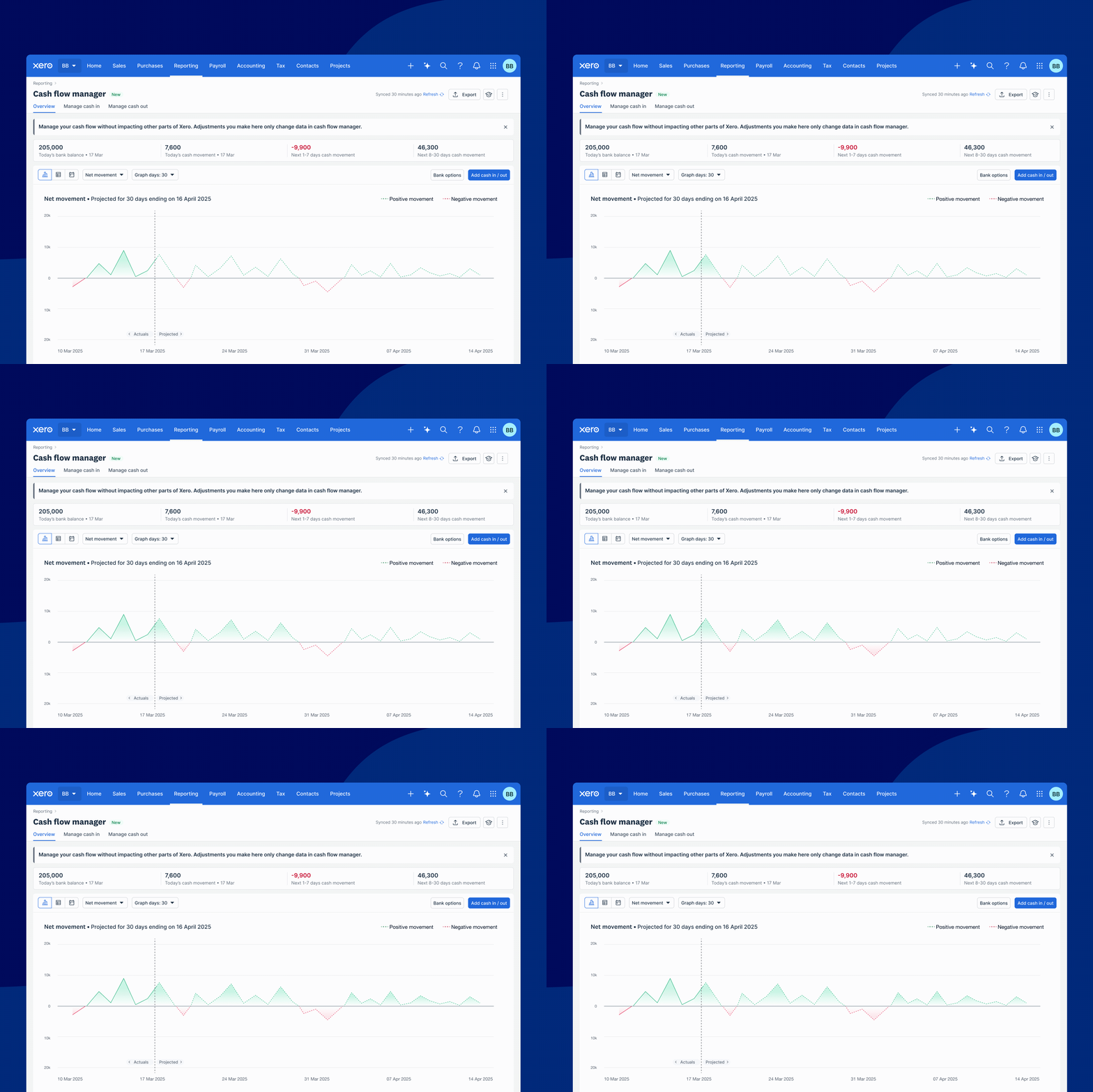
Small businesses can get a picture of future cash flow by accounting for upcoming bills and payments (example from Xero dashboard).
Ideally, most of your cash flow comes from operating activities. Relying on loans or selling off parts of the business isn't sustainable.
Positive vs negative cash flow
Once you know what's flowing in and out, the next question is whether you're ahead or behind. That's the difference between positive and negative cash flow.
Positive cash flow means more money comes into your business than goes out over a period, so you have cash left to cover costs and reinvest. Negative cash flow means more money goes out than comes in, which can leave you short even when sales look healthy. Short spells of negative cash flow are common, but sustained negative cash flow is a warning sign worth acting on.
How to measure cash flow
You can measure cash flow by looking ahead or looking back. Two tools cover both directions.
A cash flow forecast plots your upcoming income and expenses on a timeline to predict how much cash you'll have in the future. A cash flow forecast template gives you a simple structure to start with.
A cash flow statement reviews a past month, quarter or year to show how cash was generated and spent. At the highest level, it shows how much cash came from operating, investing and financing activities, so you can check that your cash flow is sustainable and not overly reliant on borrowing.
Cash flow vs profit
Cash flow and profit are often confused, but they measure different things. Knowing the difference helps you read your numbers correctly.
Profit is what's left after you subtract expenses from revenue. Cash flow is the net movement of cash into and out of your business. A profitable business can still have negative cash flow if customers pay late or large costs land before the money arrives.
Cash flow vs free cash flow, working capital and liquidity
Cash flow sits alongside a few related measures of spending power, and they're easy to mix up. Here's roughly how each one compares:
- Cash flow refers to the general movement and availability of cash
- Liquidity shows how easily you can cover upcoming costs, usually expressed as a ratio
- Working capital shows how much money is left after covering those upcoming costs
- Free cash flow is the cash left after making capital investments
How to improve cash flow
Small changes to how you bill and manage money can make a real difference to your cash position. Try these practical steps to manage your cash flow:
- Invoice promptly so payments start arriving sooner
- Chase late payments with clear reminders and follow-ups
- Negotiate longer or fairer terms with your suppliers
- Keep a cash buffer to cover quiet periods and surprises
- Use forecasting to spot shortfalls before they happen
Why cash flow matters
Healthy cash flow keeps your business running day to day and gives you room to grow. It affects almost every decision you make.
Good cash flow means you can pay bills, keep trading, and pursue new opportunities when they come up. It also takes a lot of financial stress off your shoulders. In this context, cash includes cash equivalents, which is anything that can be sold for a known price at short notice, usually within about 3 months.
Late payments make cash flow harder to manage, and the impact is growing. Xero research found that the cost of late payments to Kiwi small businesses rose 81%, from an estimated $456 million in 2021 to $827 million in 2023. You can read the Xero research on the cost of late payments for the full findings.
Manage your cash flow with Xero
Xero brings your invoices, bills and bank transactions together so you can see your cash position at a glance. Start tracking and improving your cash flow today and get one month free.
FAQs on cash flow
Here are answers to some frequently asked questions about cash flow for small business owners.
What is a healthy cash flow?
A healthy cash flow means consistently more money coming in than going out, with enough on hand to cover upcoming costs. Most of that cash should come from your everyday operating activities.
Is cash flow the same as revenue?
No, revenue is the total income from your sales, while cash flow tracks the actual cash moving in and out. You can have strong revenue but weak cash flow if customers pay late.
What causes cash flow problems?
Common causes include late-paying customers, overspending on stock or assets, and expenses landing before income arrives. Rapid growth can also strain cash if costs rise faster than payments come in.
How often should you review cash flow?
Review your cash flow at least monthly, and weekly if money is tight or your business is growing fast. Regular checks help you spot shortfalls early.
Related terms
Learn more about cash flow
Handy resources
Advisor directory
You can search for experts in our advisor directory
Cash flow forecast template
Download our free template to help predict cash flow for your business
Business analytics with Xero
See future cash flow, check financial health and track metrics
Disclaimer
This glossary is for small business owners. The definitions are written with their requirements in mind. More detailed definitions can be found in accounting textbooks or from an accounting professional. Xero does not provide accounting, tax, business or legal advice.