Accrual accounting
Learn what accrual accounting is, how it differs from cash accounting, and who uses it in Canada.
Published Thursday 23 July 2026
Table of contents
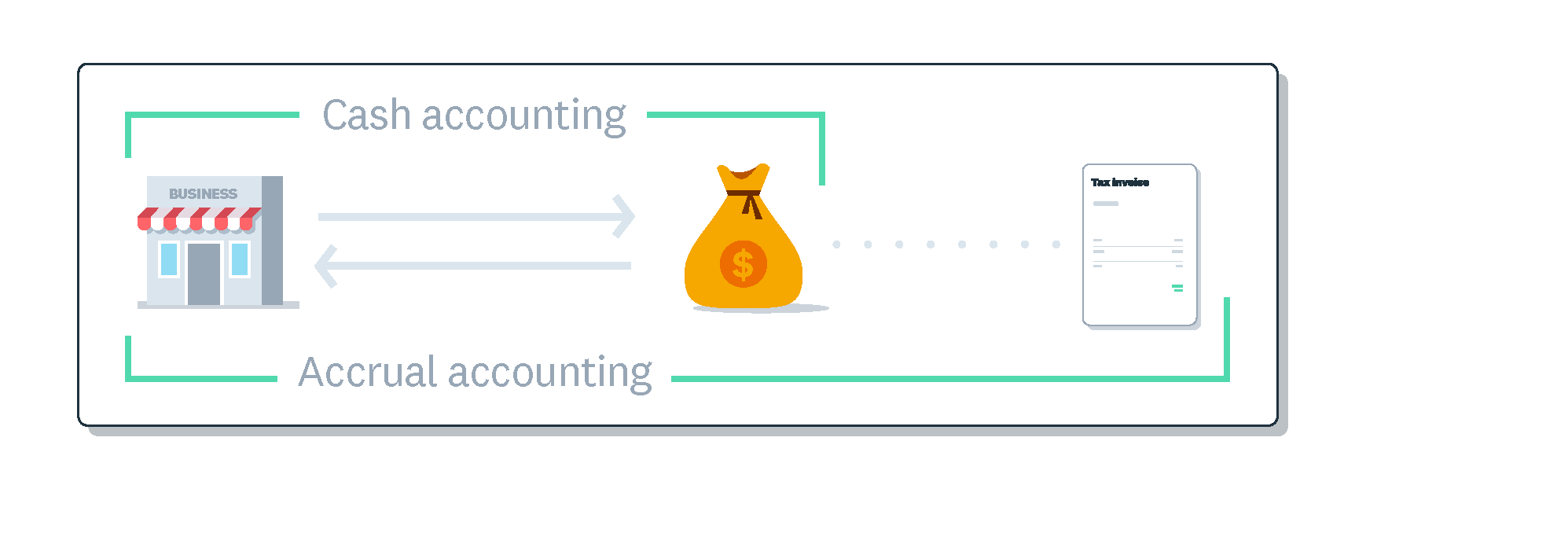
Accrual accounting keeps tabs on bills and sales invoices that are yet to be paid.
Key takeaways
- Accrual accounting records revenue when you earn it and expenses when you incur them, no matter when the cash actually moves.
- It gives you a more accurate picture of your business over time, which is why many lenders and investors prefer it.
- Cash accounting is simpler, but it only records money when it enters or leaves your bank account.
- In Canada, most self-employment income must be reported using the accrual method, with a few exceptions.
What is accrual accounting?
Accrual accounting records revenue when it's earned and expenses when they're incurred, regardless of when cash changes hands. It gives you a clearer view of what your business has actually done in a given period.
Cash accounting works differently. It only records income and expenses when money moves in or out of your account. Some investors and lenders prefer to work with businesses that use accrual accounting.
How does accrual accounting work?
Accrual accounting relies on the matching principle, which means you record revenue and the expenses that helped earn it in the same period. This keeps your income and costs lined up, so your reports reflect the work you did, not just the payments you received.
Say you invoice a client in March for a job you finished that month. You record the revenue in March, even if the client doesn't pay until April. Recording both sides of each transaction is a core part of double-entry bookkeeping.
Accrual accounting vs cash accounting
The difference comes down to timing. Cash accounting records money only when it moves, while accrual accounting records it when it's earned or incurred. To dig deeper into how the two methods stack up, see the cash vs accrual accounting guide.
Here's how the two approaches compare:
- Cash accounting records income and expenses only when cash enters or leaves your account
- Accrual accounting records income when you earn it and expenses when you incur them
- Cash accounting is simpler to run and shows you exactly how much cash you have
- Accrual accounting gives a fuller picture of profitability across a period
Types of accruals
Accruals are amounts you record before the cash actually moves. There are four common types you'll come across, each with a simple example.
- Accrued revenue: money you've earned but not yet been paid for, such as work delivered but not yet invoiced
- Accrued expenses: costs you've incurred but not yet paid, such as wages owed at month end
- Deferred revenue: payment you've received for work you haven't done yet, such as a deposit for a future project
- Prepaid expenses: costs you've paid in advance, such as an annual insurance premium
Accrued revenue often sits in accounts receivable until the customer pays.
Advantages and disadvantages of accrual accounting
Accrual accounting has clear strengths, but it also asks more of you. Here are the main advantages to weigh up.
- Gives a more accurate long-term picture of your finances
- Matches revenue with the expenses that earned it
- Suits businesses looking for financing or planning to grow
There are trade-offs to keep in mind as well, which is where solid bookkeeping habits help.
- Takes more effort and can be more complex to manage
- Doesn't show how much cash you actually have on hand
- Needs careful cash-flow tracking to avoid surprises
Who needs to use accrual accounting?
In Canada, the method you use depends on the kind of income you earn. The Canada Revenue Agency sets out which businesses can choose and which must use accrual.
Farmers, fishers and self-employed commission agents can choose the cash or accrual method. All other self-employment income must be reported using the accrual method. Businesses that carry inventory or sell on credit generally use accrual accounting.
Simplify accrual accounting with Xero
Accrual accounting needs steady record keeping, and that's where Xero helps. Xero automates the routine work by reconciling your bank transactions and tracking your bills and invoices, so your books stay accurate without the manual admin.
You can see what you've earned and what you owe in one place, then make confident decisions with up-to-date numbers. Try Xero to keep your accrual records in order, and you can get one month free.
FAQs on accrual accounting
Here are answers to some frequently asked questions about accrual accounting.
What is the difference between cash and accrual accounting?
Cash accounting records money only when it enters or leaves your account. Accrual accounting records revenue when you earn it and expenses when you incur them.
Do small businesses in Canada have to use accrual accounting?
Most self-employment income in Canada must be reported using the accrual method. Farmers, fishers and self-employed commission agents can choose cash or accrual instead.
Is accrual accounting better than cash accounting?
It depends on your business. Accrual gives a more accurate long-term picture and suits growth, while cash accounting is simpler and shows your actual cash position.
What are the four types of accruals?
The four types are accrued revenue, accrued expenses, deferred revenue and prepaid expenses. Each records an amount before the cash actually moves.
Related terms
Learn more about accrual accounting
Handy resources
Advisor directory
You can search for experts in our advisor directory
How to do bookkeeping
Learn about data entry, bank rec, reporting and tax prep in our guide to doing bookkeeping.
Online accounting with Xero
Automate your accounting in the cloud
Disclaimer
This glossary is for small business owners. The definitions are written with their requirements in mind. More detailed definitions can be found in accounting textbooks or from an accounting professional. Xero does not provide accounting, tax, business or legal advice.