Petty cash: how it works, best practices, and easy tracking
See how petty cash works, and get simple tips to track it and keep your business spending organised.

Written by Lena Hanna—Trusted CPA Guidance on Accounting and Tax. Read Lena's full bio
Published Wednesday 22 April 2026
Table of contents
Key takeaways
- Set up a petty cash fund using the imprest system, which starts with a fixed float and requires receipts before replenishing, so you can easily track spending and spot any discrepancies.
- Assign one person as the petty cash custodian and store funds in a locked box to create clear accountability and protect against theft or misuse.
- Record every petty cash transaction using a voucher, a petty cash book, and general ledger entries to stay audit-ready, claim eligible tax deductions, and keep your financial records accurate.
- Reconcile your petty cash fund regularly by checking that receipts plus remaining cash always equal the starting float, and use accounting software to automate tracking and reduce manual admin.
What is petty cash?
Petty cash is a small amount of physical money businesses keep on hand for minor, unexpected expenses, such as office supplies, employee recognition items, or emergency purchases impractical to pay otherwise.
Tracking every petty cash expense, even small ones, protects your business in three ways:
- Tax deductions: Many petty cash expenses qualify as tax deductible.
- Financial visibility: Clear understanding of where your cash goes.
- Compliance: Proper record-keeping for audits and reporting. Keep accurate and complete records of your income and expenses for seven years.
Why use petty cash?
Petty cash speeds up small purchases and removes friction from everyday business expenses. Instead of processing formal purchase orders or waiting for reimbursements, employees can handle minor costs immediately.
Petty cash is especially useful when you:
- Deal with cash-only vendors: Some suppliers, parking meters, or local services only accept cash.
- Need immediate reimbursements: Employees don't have to wait for payroll cycles to recover small out-of-pocket expenses.
- Operate in areas with poor connectivity: Digital payments aren't always reliable, especially for businesses on the move.
- Want to reduce admin time: Small purchases don't need to go through formal approval workflows.
For most small businesses, keeping a modest petty cash fund saves time and keeps operations running smoothly.
Types of petty cash
Businesses typically manage petty cash using one of two systems, depending on how much control and flexibility they need.
- Imprest system: The most common and secure method. You start with a fixed amount of cash, called a float, and replenish the fund with the exact amount spent in exchange for receipts. This makes it easy to track spending and spot discrepancies.
- General fund: A more flexible approach. You top up the fund with varying amounts whenever it runs low. While simpler, it can be harder to track expenses and manage the balance accurately over time.
How does petty cash work?
Petty cash works by maintaining a fixed fund that you draw from for small expenses and replenish periodically. Most businesses keep between $100–$500 on hand, with smaller operations typically starting at $100–$200.
Setting up the fund requires a simple accounting entry.
Initial setup steps
Follow these steps to set up your petty cash fund:
- Debit: Record the amount in your petty cash account.
- Credit: Record the same amount as a withdrawal from your bank account.
- Documentation: Note that the bank withdrawal was specifically for petty cash funding.
Two common petty cash reimbursement methods
Here are two ways to handle petty cash reimbursements:
Method 1: Employee pays first
In this method, the employee covers the cost upfront:
- Employee purchases the item and brings the receipt to the cashier
- Cashier records the expense in the petty cash book and reimburses the employee
- Receipt stays with petty cash records
Method 2: Advance payment
In this method, cash is provided before the purchase:
- Cashier provides cash upfront for approved expenses
- Employee makes the purchase and returns the receipt
- Receipt confirms proper use of the advance
When the fund runs low, follow this replenishment process to restore it to the original float:
- Reconcile: Check that receipts match petty cash book entries
- Submit: Send the petty cash book and receipts to your bookkeeper
- Replenish: Withdraw cash from the bank to restore the fund
- Update: Record the new balance in the petty cash book
- Document: Update the general ledger so the bank withdrawal and petty cash expenses appear in the right accounts
If you run a one-person business or have only a couple of employees, you'll likely handle all petty cash tasks yourself: handing out cash, collecting receipts, tracking transactions, replenishing the fund, and updating your accounting records.
How to record petty cash
Recording petty cash requires three essential documents: a petty cash voucher, a petty cash book, and general ledger entries. Here's what each one does:
- Petty cash voucher: Documents each expense with business purpose, employee name, and receipt.
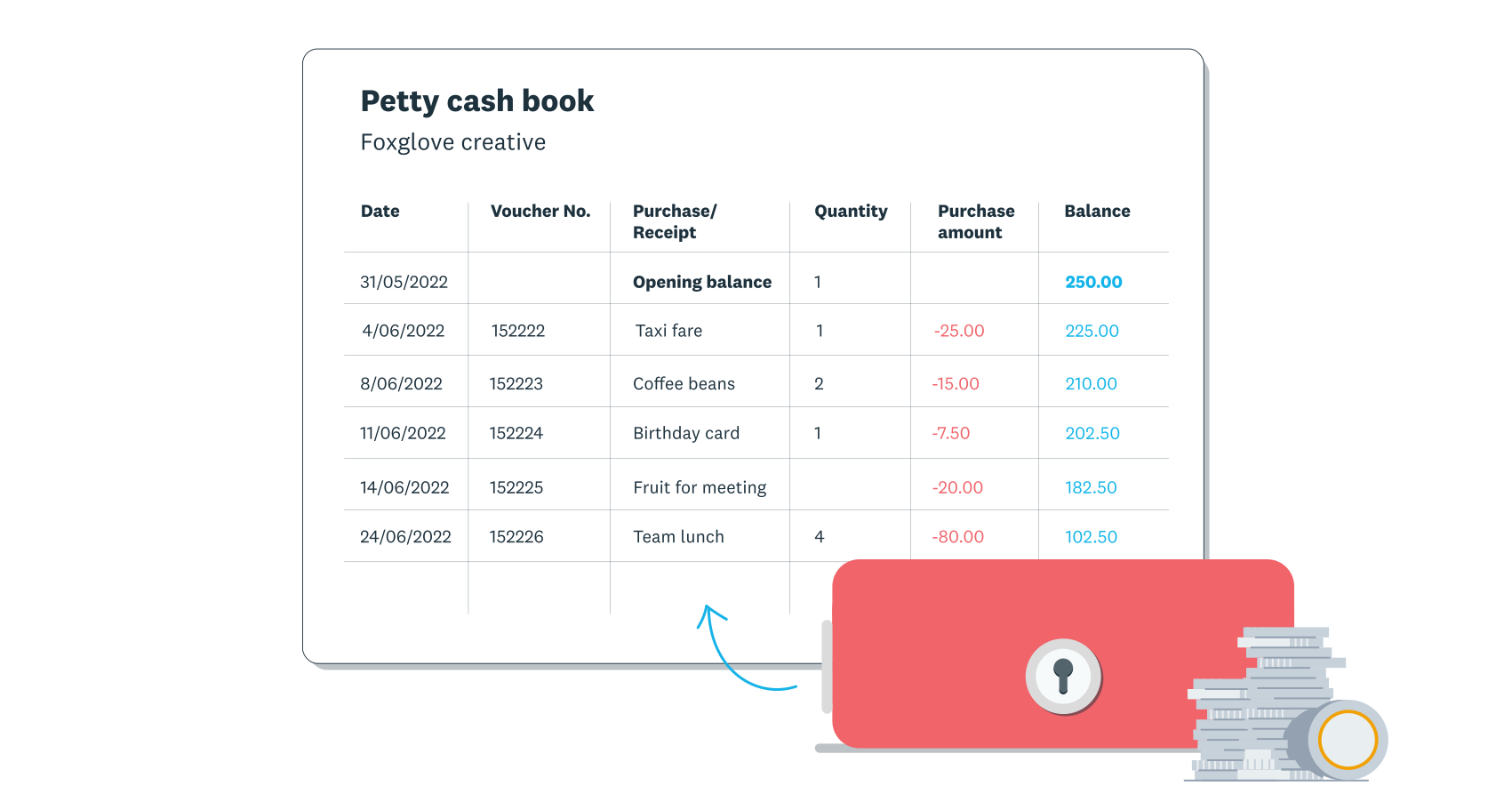
- Petty cash book: Tracks the running balance of all expenses and fund additions.
- General ledger entries: Records credits to the petty cash account and debits to specific expense categories.
Example transaction: If you spend $20 on pencils, record a $20 credit to petty cash and a $20 debit to office supplies.
Modern accounting software can simplify this process by automating calculations and categorising expenses.
Example of petty cash book or spreadsheet format
A petty cash book is a simple record that tracks all petty cash transactions, showing dates, amounts, purposes, and running balances. Here's how it works:
Best practices for managing petty cash
A good petty cash process protects your money and keeps your records accurate. These four practices help you manage your fund effectively.
- Set clear limits: Decide on a maximum amount for the fund and for individual purchases to prevent large expenses bypassing formal approval.
- Assign a custodian: Make one person responsible for managing the petty cash box, distributing funds, and collecting receipts to create clear accountability.
- Keep it secure: Store petty cash in a locked box or drawer to prevent theft or loss.
- Reconcile regularly: Balance the fund weekly or monthly, ensuring receipts plus remaining cash always equal the starting float.
Managing petty cash with accounting software
While petty cash involves physical money, tracking it doesn't have to be manual. Xero accounting software makes it easier to keep records straight and see where your money goes, ensuring your computer-based records are kept for at least seven years as required.
With Xero, you can:
- Set up a dedicated petty cash account in your chart of accounts.
- Record transfers from your main bank account when you replenish the fund.
- Categorise each expense as you enter receipts for a clear spending picture.
This simplifies bank reconciliation and keeps your financial reports accurate, without manual spreadsheets.
Get one month free to see how it can simplify your financial management.
FAQs on petty cash
Here are answers to some common questions you may have about petty cash.
How much petty cash is allowed?
There's no set legal limit, but most small businesses keep between $50–$500 depending on their size and expense frequency. Aim for an amount that reduces trips to the bank while keeping your cash secure.
Why do people say petty cash?
The word "petty" comes from the French word "petit", meaning small. The term stuck because petty cash covers amounts too small to justify formal invoices and payment processes.
Is petty cash still necessary?
Not always, but often yes. Company debit cards and digital payment apps have reduced the need for physical cash. However, petty cash remains useful if you deal with cash-only vendors, need to provide immediate reimbursements, or operate in areas with poor internet connectivity.
Is petty cash an asset or expense?
Petty cash is a current asset on your balance sheet while it sits in the fund. When you spend it, the individual purchases become expenses categorised by type, such as office supplies or travel.
Disclaimer
Xero does not provide accounting, tax, business or legal advice. This guide has been provided for information purposes only. You should consult your own professional advisors for advice directly relating to your business or before taking action in relation to any of the content provided.
Get one month free
Purchase any Xero plan, and we will give you the first month free.