Profitability: definition and how to measure margins
Discover simple ways to measure profitability, spot quick wins, and boost your margins.

Written by Jotika Teli—Certified Public Accountant with 24 years of experience. Read Jotika's full bio
Published Friday 20 March 2026
Table of contents
Key takeaways
- Calculate your gross profit margin by dividing gross profit by revenue and multiplying by 100 to understand what percentage of sales remains after covering direct costs of goods or services.
- Track both gross and net profit margins regularly (at least quarterly) to spot trends early and make informed decisions about pricing, cost management, and business sustainability.
- Improve profitability by strategically increasing prices, negotiating better supplier terms, cutting unnecessary expenses, or boosting operational efficiency to serve more customers with existing resources.
- Use accounting software to automatically calculate profitability metrics and generate real-time dashboards, eliminating manual calculations and ensuring accuracy in your financial analysis.
What is profitability
Profitability measures how efficiently your business converts revenue into profit. It's expressed as a percentage using this formula: (Profit ÷ Revenue) × 100.
The main profitability metrics are your gross and net profit margins. They show what portion of sales revenue you keep after paying business costs.
What your profitability level tells you:
- High profitability (wide margins): You keep a large portion of sales as profit. This gives you flexibility, though it may signal room to lower prices and increase sales volume.
- Low profitability (narrow margins): Most revenue goes back out to cover expenses. This could indicate high costs, underpriced products, or intense price competition in your market.
Profit vs profitability
Understanding the difference helps you make better financial decisions:
- Profit: The dollar amount your business keeps after paying all expenses
- Profitability: The percentage of revenue you keep after expenses
A business can have high profit but low profitability if it needs massive sales to generate those profits. Conversely, you might have high profitability but modest profits if your sales volume is small.
The goal is to achieve both strong profitability and healthy revenue.
Why profitability matters
Profitability metrics reveal whether your business model is sustainable. High margins give you flexibility when costs rise or sales slow down, while narrow margins leave you vulnerable to market shifts.
For instance, Reserve Bank of New Zealand research shows that profitability fell materially for New Zealand banks in 2020 due to the economic impact of the COVID-19 pandemic before recovering in subsequent years.
Tracking profitability helps you:
- Set prices that cover costs and generate profit
- Spot when expenses are reducing your profit
- Compare performance against industry benchmarks
- Make confident decisions about hiring, investing, or expanding
- Maintain healthy cash flow during slow periods
Margins can shift due to rising material costs, rent increases, fuel prices, or market competition. Regular measurement ensures your margins stay in healthy territory.
Profitability metrics
Profitability metrics show what percentage of revenue your business keeps at different stages of paying costs. The most common metrics are gross profit margin and net profit margin, sometimes called profitability ratios.
Gross profit margin
Gross profit margin shows the percentage of revenue remaining after paying the direct costs of delivering your product or service.
- What it measures: The portion of sales left after subtracting costs of goods sold (COGS), which are the direct costs of providing goods or services to customers
- Why it matters:Gross profit covers general expenses like rent, utilities, marketing, and administration. What remains becomes your net profit
Net profit margin
Net profit margin shows the percentage of revenue remaining after paying all business costs.
- What it measures: The portion of sales left after subtracting all expenses, including COGS, operating costs, and overheads
- Why it matters:Net profit is what your business keeps to reinvest in growth or pay to owners
Businesses may quote net profit before or after taxes. In this guide, we focus on net profit before taxes.
How to measure profitability
The profitability formula is: (Profit ÷ Revenue) × 100 = Profitability percentage
To calculate profitability, first determine your profit figure. The calculation differs slightly depending on whether you're measuring gross or net profit margin.
How to measure gross profit margin

Use the formula above, or let our tool do the maths for you. Try our gross margin calculator.
*Net profit can be quoted before or after taxes. If quoting after-tax net profit, subtract taxes from your expenses.
How to measure net profit margin

*Net profit can be quoted before or after taxes. If quoting after-tax net profit then you need to also subtract taxes.
Use the formula above, or let our tool do the maths for you. Try our net profit margin calculator.
Example of profitability measurement
A business generates $100,000 in sales after spending $60,000 on stock and $20,000 on general expenses. Here's how to calculate the profitability metrics:
- Gross profit = $40,000 ($100,000 revenue − $60,000 COGS)
- Gross profit margin = 40% ($40,000 gross profit ÷ $100,000 revenue × 100)
- Net profit = $20,000 ($100,000 revenue − $80,000 total costs)
- Net profit margin = 20% ($20,000 net profit ÷ $100,000 revenue × 100)
How to measure profitability with software
Accounting software like Xero calculates margins automatically. Simply access Xero Analytics and select the period you want to measure. You can also generate a profit and loss statement whenever needed.
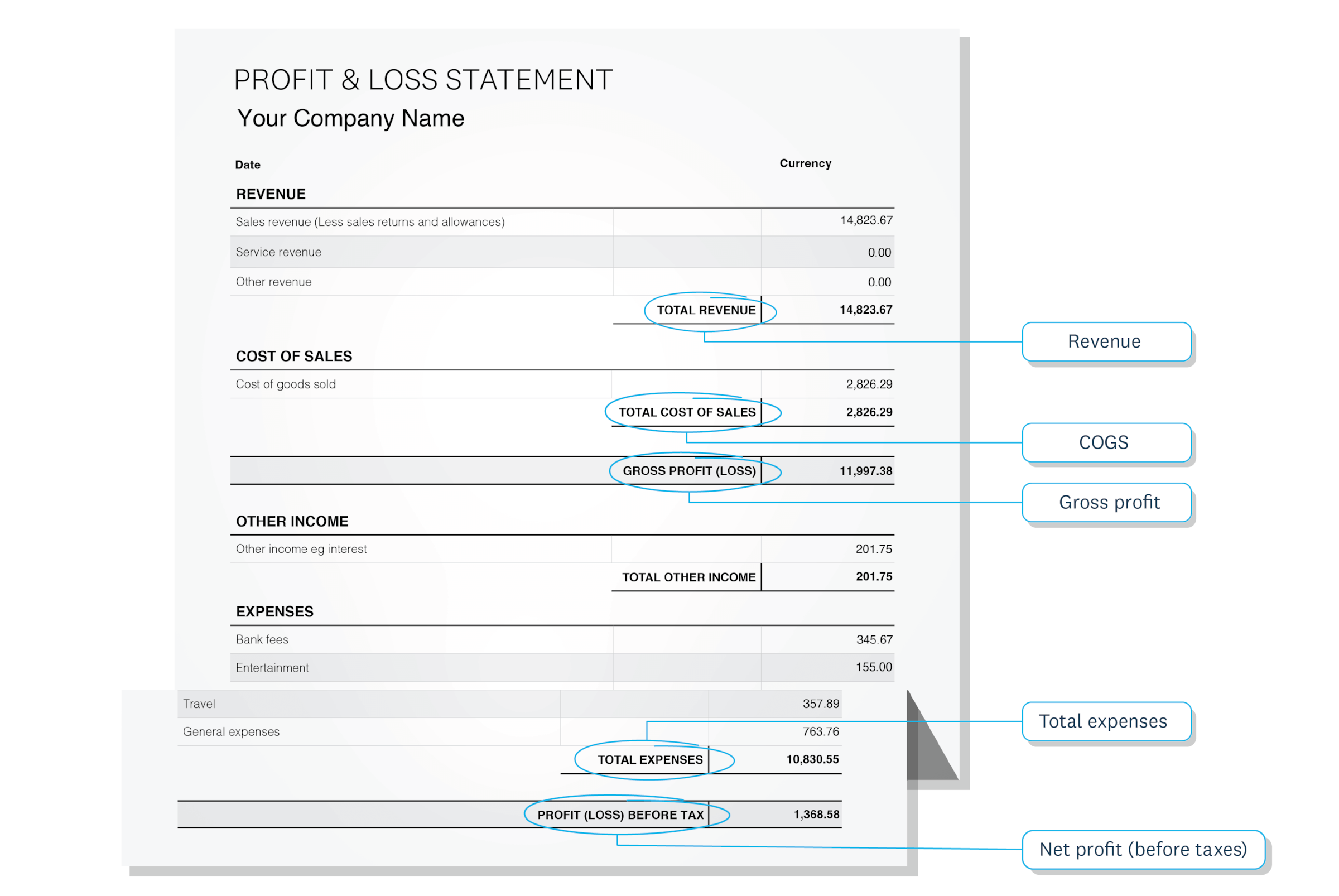
Your profit and loss statement contains all the numbers required for profitability calculations:
- Revenue (sales)
- Cost of goods sold
- Operating expenses
- Net profit
This eliminates manual calculations and ensures accuracy.
How to improve profitability
Measure profitability regularly, especially when costs change or when you face pricing pressure from competitors. Work with your accountant or bookkeeper to establish healthy margin benchmarks for your industry.
If margins are lower than you'd like, you can improve profitability by:
- increasing prices strategically
- reducing cost of goods sold by negotiating better supplier terms or minimising stock shrinkage, which in one case study accounted for 11.65 per cent of the total cost of goods sold
- cutting unnecessary operating expenses
- improving operational efficiency to serve more customers with the same resources, as analysis of staff productivity results can reveal significant drops in sales per hour that need to be addressed
Find detailed strategies in our guide on how to increase profits.
Track profitability effortlessly with Xero
Profitability metrics reveal whether your business model is sustainable and help you make smarter pricing and spending decisions. With accounting software, you don't need to calculate margins manually.
Xero calculates your gross and net profit margins automatically and displays them in real-time dashboards. Get one month free and see your margins in real time.
FAQs on measuring profitability
Here are answers to common questions about profitability measurement.
What's a good profit margin for a small business?
It varies by industry. For example, a study of New Zealand banks found that from 2018–2022, the average Return on Equity was 15.28% for large banks versus 7.35% for smaller banks. Generally, gross profit margins of 50–70% are healthy for service businesses, while 25–50% is typical for retail. Net profit margins of 10–20% indicate strong performance, 5–10% is acceptable, and below 5% may signal pricing or cost issues.
How often should I measure profitability?
Measure profitability at least quarterly, and monthly if you're experiencing rapid growth or cost fluctuations. Regular tracking helps you spot trends before they become problems.
What if my profitability is declining?
Declining margins typically signal rising costs, falling prices, or both. Review your profit and loss statement to identify where costs have increased, then negotiate better supplier terms, adjust pricing, or cut discretionary spending.
Can I measure profitability for specific products or services?
Yes. This is called product or customer profitability analysis. It requires tracking revenue and costs at a more granular level than standard profit and loss statements. Xero supports Tracking Categories and Projects to help analyse profitability by product line or customer segment.
Disclaimer
Xero does not provide accounting, tax, business or legal advice. This guide has been provided for information purposes only. You should consult your own professional advisors for advice directly relating to your business or before taking action in relation to any of the content provided.
Get one month free
Purchase any Xero plan, and we will give you the first month free.