Cloud accounting software: a guide for small businesses
Learn how cloud accounting software helps Australian small businesses save time, stay compliant, and grow.
Written by Jotika Teli—Certified Public Accountant with 24 years of experience. Read Jotika's full bio
Published Friday 15 May 2026
Table of contents
Key takeaways
- Cloud accounting software stores your financial data on secure remote servers, giving you real-time access to your books from any device with an internet connection.
- Compared to traditional desktop software, cloud accounting offers automatic updates, built-in backups, and real-time collaboration with your accountant or bookkeeper.
- Australian small businesses can use cloud accounting to automate tax compliance tasks such as BAS lodgement, GST tracking, and Single Touch Payroll (STP) reporting.
- When choosing cloud accounting software, prioritise features like bank reconciliation, invoicing, payroll, app integrations, and mobile access that match your business needs.
What is the cloud?
Before exploring cloud accounting software, it helps to understand what "the cloud" actually means.
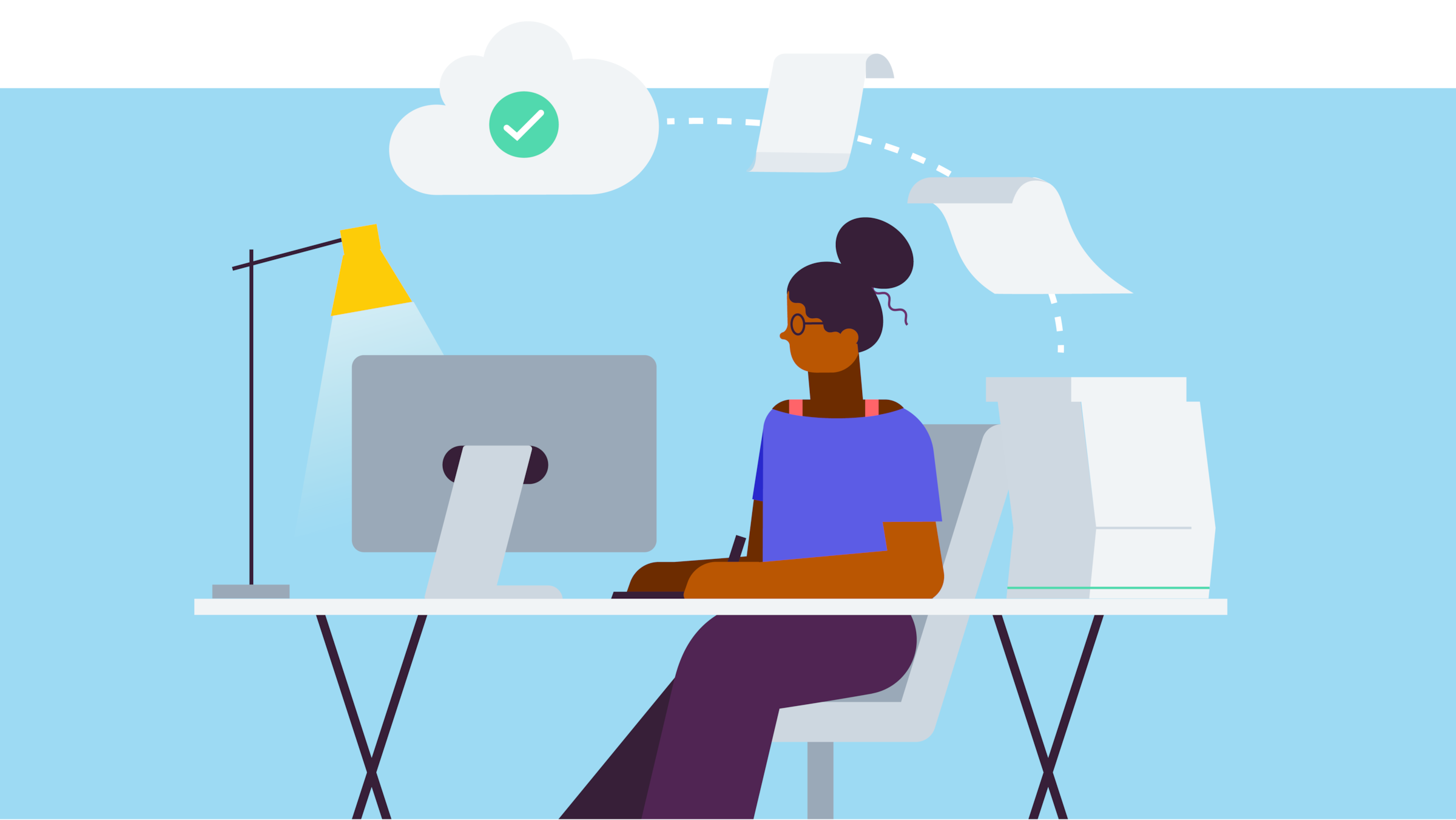
The cloud is a network of remote servers hosted on the internet that store, manage, and process data. Instead of saving files to your computer's hard drive, you access them through the internet from anywhere.
You're probably already using the cloud without realising it. Internet banking, email, and streaming services all run on the cloud. Cloud accounting works the same way: your financial data lives on secure remote servers, and you access it through a web browser or app.
What is cloud accounting software?
Cloud accounting software is accounting software that runs on remote servers and is accessed through the internet, rather than being installed on a single desktop computer. It lets you manage invoicing, bank reconciliation, expense tracking, and financial reporting from any device with an internet connection.
Unlike traditional desktop programs, cloud accounting software updates automatically, backs up your data in real time, and lets multiple people access the same set of books at the same time. This makes it a practical choice for small businesses that need flexibility and up-to-date financial information.
How cloud accounting software works
Getting started with cloud accounting software is straightforward. Here's how the process typically works:
- Subscribe to a plan. Choose a cloud accounting plan that suits your business size and needs. You'll access the software through a web browser or mobile app, so there's nothing to install.
- Migrate your data. Import your existing financial records, chart of accounts, and contact lists into the platform. Most cloud accounting tools offer guided setup or support from onboarding specialists to help you get started.
- Connect your bank feeds. Link your business bank accounts so transactions flow into the software automatically. From there, you can reconcile transactions, send invoices, and track expenses in real time.
Once you're set up, you can extend your software's capabilities by connecting apps for payroll, inventory, point of sale, and more. Cloud accounting platforms typically integrate with hundreds of third-party apps, so you can build a system that fits the way you work.
Cloud accounting vs traditional accounting
If you're still using desktop accounting software or spreadsheets, it's worth understanding how cloud accounting compares. Here are the key differences across the areas that matter most to small businesses:
- Access. Cloud accounting software lets you log in from any device with internet access. Traditional software is tied to a single computer or local network.
- Real-time data. Cloud platforms update your financial data as transactions happen, so your books are always current. Desktop software requires manual data entry and may only reflect your finances at the last time you updated.
- Collaboration. With cloud accounting, you and your accountant or bookkeeper can work in the same set of books at the same time. Traditional software often requires sending files back and forth or granting remote access.
- Backups and disaster recovery. Cloud accounting automatically backs up your data to secure remote servers. If your computer crashes or is stolen, your financial records are safe. Traditional software relies on manual backups, which are easy to forget.
- Updates. Cloud software updates automatically, so you always have the latest features and security patches. Desktop programs need manual updates, which may require downtime.
- Cost model. Cloud accounting uses a subscription model with predictable monthly fees. Traditional software often involves a large upfront licence cost plus ongoing fees for updates and support.
Is cloud accounting secure?
Security is one of the most common concerns for small business owners considering the move to the cloud. The short answer is that reputable cloud accounting platforms use enterprise-grade security measures to keep your data safe.
Cloud accounting providers protect your financial data with multiple layers of security, including:
- Bank-level encryption. Data is encrypted both in transit and at rest, using the same encryption standards as major banks.
- Automatic backups. Your data is backed up regularly to multiple secure data centres, protecting against hardware failure, natural disasters, and other disruptions.
- Multi-factor authentication. You can require an additional verification step when logging in, making it harder for unauthorised users to access your account.
- Role-based access controls. You decide who can view, edit, or approve transactions, so sensitive financial information stays with the right people.
- Ongoing monitoring. Cloud providers continuously monitor for suspicious activity and apply security updates automatically.
For Australian accountants and bookkeepers, APES 305 (Terms of Engagement) sets professional standards for managing client data. The standard was revised in September 2024, with the updated requirements taking effect on 1 January 2025. Cloud accounting platforms that comply with these standards give both you and your adviser confidence that your data is being handled responsibly.
Benefits of cloud accounting software
Cloud accounting software offers practical advantages that help small businesses save time, reduce errors, and stay on top of their finances. Here are the key benefits:
- Automated data entry. Bank feeds pull transactions directly into your accounting software, reducing manual data entry and the risk of errors. According to Xero's small business data, automated bank reconciliation can cut bookkeeping time by up to 80% compared to manual entry.
- Real-time financial visibility. You can check your cash flow, profit and loss, and outstanding invoices at any time, from any device. This makes it easier to make informed decisions without waiting for month-end reports.
- Team collaboration. Your accountant, bookkeeper, and business partners can all access the same up-to-date financial data at the same time, no matter where they are. This speeds up tasks like tax preparation and financial reviews.
- Zero maintenance. There's no software to install, no servers to manage, and no manual updates to run. Your cloud accounting provider handles all of this for you.
- Custom dashboards and reporting. You can create reports and dashboards tailored to what matters most to your business, whether that's tracking cash flow, monitoring expenses, or comparing performance across periods.
- Cost savings. With no upfront licence fees, no hardware requirements, and automatic updates included in your subscription, cloud accounting typically costs less over time than traditional software.
How cloud accounting helps with tax compliance in Australia
Staying on top of tax obligations is a priority for every Australian small business. Cloud accounting software can help you meet your Australian Taxation Office (ATO) requirements with less manual work and fewer compliance risks.
Here's how cloud accounting supports your key tax obligations:
- BAS lodgement. Cloud accounting tracks your income, expenses, and GST automatically, making it faster to prepare and lodge your Business Activity Statement (BAS). Many platforms let you review and submit your BAS directly or share it with your accountant for lodgement.
- GST tracking. The software categorises transactions and calculates GST as you go, so you don't need to manually sort through receipts and invoices at the end of each quarter.
- Single Touch Payroll (STP) compliance. Cloud accounting platforms with built-in or integrated payroll report salary, wages, PAYG withholding, and super information directly to the ATO each pay run. The ATO has tightened penalty enforcement for STP non-compliance, with draft guidance issued in March 2026 outlining stricter deadlines and penalties for late or incorrect reporting.
- Record keeping. The ATO requires you to keep financial records for at least five years. Cloud accounting stores your records securely online, making them easy to access if you're ever audited.
By automating these tasks, cloud accounting reduces the chance of errors and late lodgements, helping you avoid penalties and stay compliant year-round.
How to choose the right cloud accounting software
With several cloud accounting options available in Australia, choosing the right one comes down to matching features to your business needs. Here's what to consider when evaluating your options.
Features to look for
The right cloud accounting software should cover the core tasks you handle every day, plus the ability to scale as your business grows. Focus on these features when comparing platforms:
- Invoicing. Look for software that lets you create, send, and track invoices quickly, with options for automatic payment reminders and online payments.
- Payroll and STP compliance. If you have employees, choose a platform that includes payroll or integrates with a payroll app that reports to the ATO through STP.
- Bank reconciliation. Automatic bank feeds and one-step reconciliation save time and reduce errors. Check that the software connects with your Australian bank.
- App integrations. A strong library of integrations lets you connect your accounting software with tools for point of sale, inventory, project management, and more. Xero, for example, connects with over 1,000 apps.
- Mobile access. A well-designed mobile accounting app means you can manage invoices, reconcile transactions, and check cash flow from your phone.
- Scalability. Your business needs will change over time. Choose software with tiered plans or add-on features so you can grow without switching platforms.
It's also worth checking what onboarding support is available, so you can get started quickly and make the most of the software from day one.
The future of cloud accounting
Cloud accounting is continuing to evolve, with new tools and capabilities that go beyond basic bookkeeping. Here's what's shaping the future of the industry.
- AI and automation. Artificial intelligence is already being used to automate tasks like transaction categorisation, invoice data capture, and anomaly detection. As these tools improve, they'll handle more routine work, giving you more time to focus on your business.
- Real-time advisory. With always up-to-date financial data, accountants and bookkeepers can shift from compliance-focused work to proactive advisory, helping you make better decisions as things happen rather than after the fact.
- Mobile-first design. More small business owners manage their finances on the go. Cloud accounting platforms are investing in mobile apps that offer full functionality, not just a slimmed-down version of the desktop experience.
- Deeper app integrations. The number and quality of third-party app integrations continue to grow. This means your accounting software can connect more tightly with the other tools you use, from quoting and project management to e-commerce and payments.
For Australian small businesses, these changes mean that cloud accounting will keep getting more useful, more automated, and more connected to the way you actually run your business.
Simplify your small business accounting with Xero
Cloud accounting software takes the manual work out of managing your finances, so you can spend less time on admin and more time growing your business. With features like automated bank feeds, real-time reporting, STP compliance, and a library of over 1,000 app integrations, Xero's online accounting platform is built to support Australian small businesses at every stage.
Whether you're just getting started with bookkeeping or looking to streamline how you manage your finances, Xero makes it straightforward. Get one month free and see how cloud accounting can work for your business.
FAQs on cloud accounting software
Here are some frequently asked questions about cloud accounting to help you decide if it's the right fit for your business.
Is cloud accounting software secure?
Reputable cloud accounting platforms use bank-level encryption, automatic backups to multiple data centres, and multi-factor authentication to protect your data. Your financial records are typically safer in the cloud than on a single desktop computer, which is vulnerable to theft, hardware failure, and ransomware.
How do I switch from traditional accounting software to cloud accounting?
Most cloud accounting platforms offer data import tools and guided setup to help you migrate your existing records. Many also provide onboarding support during your first months, so you can get up and running without disruption to your business.
What features should I look for in cloud accounting software?
Focus on the features that match your daily needs: invoicing, bank reconciliation, payroll with STP compliance, expense tracking, and app integrations. Also check for mobile access and scalable plans so the software can grow with your business.
How much does cloud accounting software cost?
Cloud accounting uses a subscription model, with monthly fees that vary based on the plan and features you choose. This is typically more affordable over time than traditional software, which often requires large upfront licence fees plus separate charges for updates and support.
How does cloud accounting help with BAS and GST?
Cloud accounting automatically tracks GST on your transactions and categorises income and expenses as you go. When it's time to lodge your BAS, the software compiles the figures for you, making the process faster and reducing the risk of errors.
Can I access cloud accounting on my phone?
Yes. Most cloud accounting platforms offer mobile apps that let you send invoices, reconcile bank transactions, check cash flow, and approve expenses from your phone or tablet. This means you can stay on top of your finances wherever you are.
Accounting software for your small business
Run your business on Xero’s simple and powerful online accounting software.
Learn more about Xero accounting software
Disclaimer
Xero does not provide accounting, tax, business or legal advice. This guide has been provided for information purposes only. You should consult your own professional advisors for advice directly relating to your business or before taking action in relation to any of the content provided.
Download the guide about bookkeeping
Find out what bookkeepers do, and get an intro to double-entry bookkeeping. Fill out the form to receive the guide as a PDF.
Get one month free
Purchase any Xero plan, and we will give you the first month free.