Retail POS software: how to choose the right system
Learn how retail POS software speeds checkout, tracks stock in real time, and boosts profits.
Written by Jotika Teli—Certified Public Accountant with 24 years of experience. Read Jotika's full bio
Published Saturday 11 April 2026
Table of contents
Key takeaways
- Evaluate POS software based on ease of use, integration capabilities with your accounting software, scalability for future growth, and total costs including subscription fees and hardware expenses.
- Choose a system that offers offline functionality and mobile capabilities to ensure you can process sales during internet outages and sell flexibly at markets or pop-up locations.
- Prioritise POS software that combines sales processing with inventory management, customer profiles, and real-time reporting to get a complete view of your retail business performance.
- Start by identifying your core business needs and must-have features before comparing systems, focusing on solutions that match your specific retail format and integrate seamlessly with your existing business tools.
What is retail POS software?
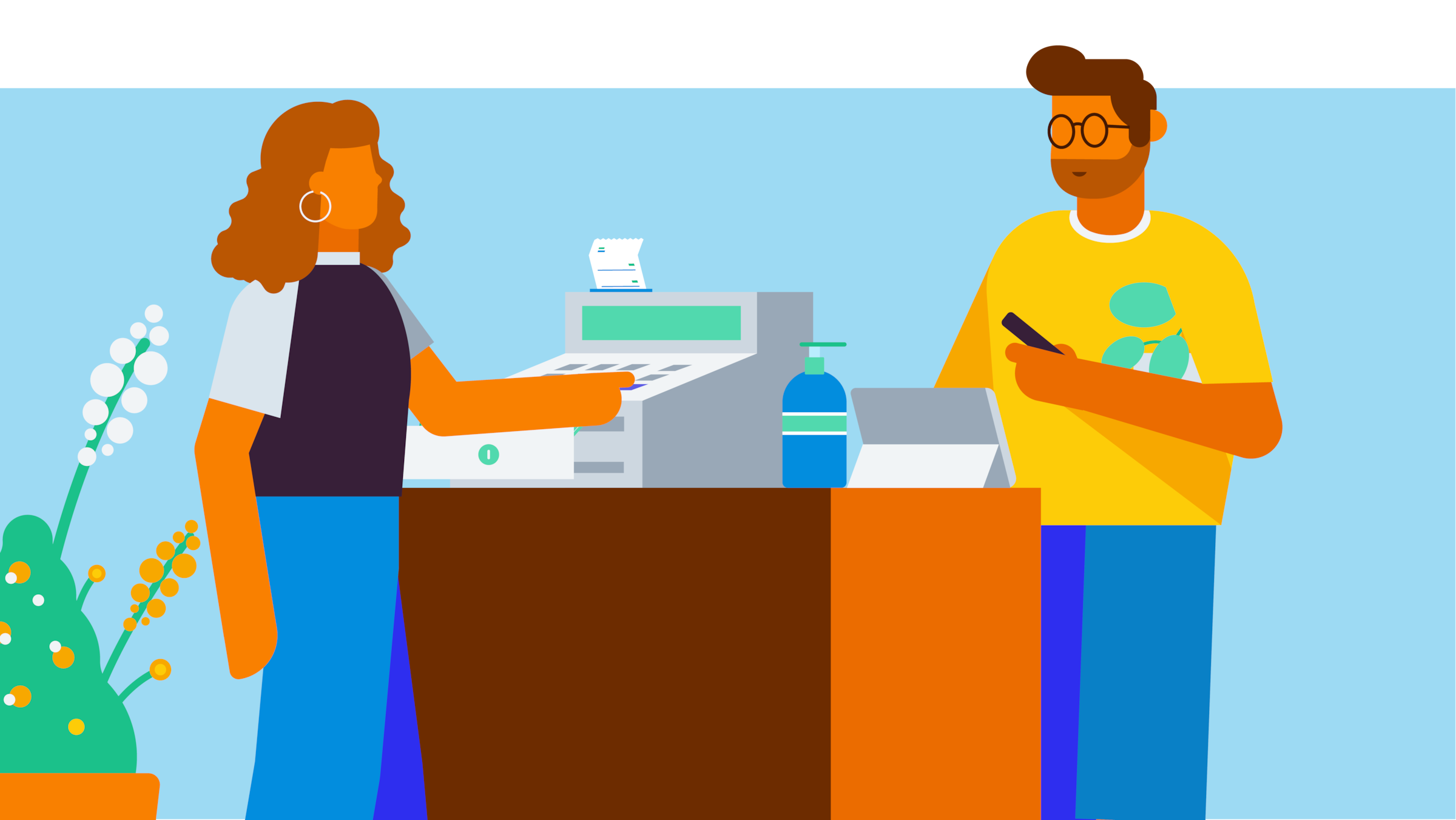
Retail point of sale (POS) software is a digital system that processes sales transactions, tracks inventory, and records business data in real time. It replaces traditional cash registers with smart technology that connects your checkout, stock levels, and customer information in one place.
You can use POS software in your store, online, or on a tablet for selling on the go. Good POS software simplifies these tasks so you spend less time on admin and more time with your customers.
How to choose the right retail POS software
Choosing the right POS software depends on your store type, budget, and growth plans. Before you compare options, think about what features matter most for your business.
Key factors to evaluate:
- Ease of use: look for intuitive interfaces that require minimal staff training
- Integration capabilities: check that it connects with your accounting software and other business tools
- Scalability: choose a system that grows with you, from one location to multiple stores
- Industry fit: some POS systems specialise in apparel, food service, or general retail
- Support and onboarding: consider the quality of customer support and setup assistance
- Total cost: factor in subscription fees, hardware costs, and payment processing rates, keeping in mind that the instant asset write-off applies on a per-asset basis, allowing you to claim multiple pieces of hardware under the $20,000 threshold
- Mobile and offline functionality: confirm it works on tablets and during internet outages
The right POS system should simplify your daily operations, not add complexity. Start with a clear list of your must-have features and compare options from there.
Types of retail businesses that benefit from POS software
Modern POS software works for most retail formats, from single-location boutiques to multi-store chains. The key is matching the system's features to your specific needs.
Retail businesses that commonly use POS software include:
- Boutique apparel and fashion stores: track sizes, colours, and seasonal inventory
- Homewares and gift shops: manage varied product catalogues and gift registries
- Food and beverage retail: handle perishable inventory and high transaction volumes
- Specialty retail: support unique product attributes and customer preferences
- Market stalls and pop-ups: use mobile POS for flexible, portable selling
- Multi-location retailers: sync inventory and sales data across stores
Whether you run a single shop or sell at weekend markets, POS software can help you serve customers faster and track your business performance in real time.
Key features that benefit retail businesses
A modern POS system does more than process sales. It brings together different parts of your business to help you work smarter.
Key features often include:
- Sales processing: accept multiple payment types including cards, mobile wallets, and cash
- Inventory management: track stock levels automatically and set reorder alerts
- Customer profiles: store purchase history and preferences to personalise service
- Real-time reporting: access sales data, profit margins, and performance metrics instantly
- Employee management: track staff hours, sales performance, and permissions
- Integration with accounting software: sync your sales data automatically with your bookkeeping
- Multi-channel selling: manage in-store, online, and mobile sales from one platform
These features work together to give you a complete view of your retail business and help you make informed decisions about stock, staffing, and growth.
Get started with retail POS software
Ready to streamline your retail operations? The right POS software can transform how you manage sales, inventory, and customer relationships.
Start by identifying your core business needs and comparing systems that match your retail format. Look for solutions that integrate seamlessly with your accounting software to keep your financial data accurate and up to date.
Xero connects with leading POS systems to give you a real-time view of your finances. Get one month free.
FAQs on retail POS software
Here are answers to common questions about retail POS software to help you make an informed decision for your business.
What's the difference between a cash register and POS software?
A traditional cash register only records sales transactions. POS software processes sales and also tracks inventory, generates reports, manages customer data, and integrates with other business systems like accounting software.
Do I need an internet connection to use POS software?
Most modern POS systems offer offline mode, allowing you to continue processing sales during internet outages. Transactions sync automatically when your connection returns. Check offline capabilities when choosing your system.
Can POS software work with my existing accounting software?
Many POS systems integrate with popular accounting software, including Xero. This integration automatically syncs your sales data, reducing manual data entry and helping maintain accurate financial records.
How much does retail POS software cost?
Costs vary based on features and business size. Expect monthly subscription fees ranging from $50 to $300 per location, plus hardware costs for card readers, receipt printers, and tablets. Payment processing fees are typically charged per transaction.
Is POS software suitable for small retail businesses?
Yes, POS software benefits businesses of all sizes. Many providers offer scalable solutions that start with essential features for small retailers and grow as your business expands. Even single-location shops gain value from improved inventory tracking and sales reporting.
Disclaimer
Xero does not provide accounting, tax, business or legal advice. This guide has been provided for information purposes only. You should consult your own professional advisors for advice directly relating to your business or before taking action in relation to any of the content provided.
Get one month free
Purchase any Xero plan, and we will give you the first month free.