Petty cash: what it is and how to manage your fund
Learn how petty cash helps you track small spends, stay organised, and keep business costs under control.

Written by Jotika Teli—Certified Public Accountant with 24 years of experience. Read Jotika's full bio
Published Monday 20 April 2026
Table of contents
Key takeaways
- Set up a petty cash fund of $100–$500 to cover minor daily expenses, and adjust the amount based on how often you need to replenish it to avoid tying up unnecessary cash.
- Assign one person as the petty cash custodian to manage all disbursements, collect receipts, and maintain records, as shared access increases the risk of misuse and financial loss.
- Require a receipt for every petty cash transaction and reconcile the fund monthly to keep your records accurate and meet your tax obligations.
- Use accounting software to track and categorise petty cash transactions, making reconciliation faster and your financial records easier to manage.
What is petty cash?
Petty cash is a small amount of cash your business keeps on hand for minor, day-to-day expenses. It covers purchases where using a credit card or writing a cheque isn't practical, such as buying coffee for a client meeting or paying for a small delivery.
It's a convenient float for immediate needs, helping you skip formal payment processes for every little purchase.
How much petty cash should you keep?
Most small businesses keep between $100 and $500 in their petty cash fund. This amount covers small expenses for about a month without creating a security risk.
The right amount depends on how often your team makes small purchases. If you're replenishing the fund too frequently, increase the amount. If cash sits unused, reduce it. The goal is to keep things running smoothly without tying up too much cash.
What expenses can you pay with petty cash?
Petty cash covers small, infrequent expenses that keep your business running day to day. While every business is different, here are common examples:
- Buying office supplies like pens, paper, or printer ink
- Posting letters or small packages
- Reimbursing employees for client coffees or small purchases
- Paying unexpected delivery fees
- Covering travel costs like parking or tolls
How does petty cash work?
Here's how to set up and manage your petty cash fund effectively.
Setting up your petty cash fund involves four accounting steps:
- Create the fund: Withdraw cash from your bank account (for example, $200)
- Record the debit: Enter the amount in your petty cash account
- Record the credit: Show the withdrawal from your bank account
- Note the purpose: Mark that the funds are designated for petty cash
The petty cash reimbursement process works in two ways:
Option 1: reimbursement after purchase
Use this method when employees pay out of pocket first.
- Employee pays for the expense with personal money
- Employee submits the receipt to the petty cash custodian
- Custodian records the expense in the petty cash book
- Custodian reimburses the employee from the petty cash fund
Option 2: advance payment
Use this method when employees need cash before making a purchase.
- Employee requests cash in advance for the expected expense
- Custodian provides money from the petty cash fund
- Employee returns the receipt after the purchase
- Custodian records the expense in the petty cash book
Replenishing your petty cash fund
Follow these steps to replenish your petty cash fund:
- Verify records: Check that receipts match entries in the petty cash book
- Calculate the shortfall: Determine how much cash restores the fund to its original amount
- Submit documentation: Send the petty cash book and receipts to your bookkeeper
- Receive new cash: Collect replacement funds from the bank
- Update records: Record the new balance in your petty cash book
How bookkeepers handle accounting
Your bookkeeper handles the accounting by recording the bank withdrawal, categorising expenses, and updating the general ledger:
- Record the bank withdrawal: Enter the cash transfer from bank to petty cash
- Categorise expenses: Allocate each receipt to the appropriate expense account
- Update the general ledger: Ensure all transactions are properly documented
If you're a one-person business or have just a couple of employees, you'll handle all of this yourself: handing out cash, collecting receipts, tracking transactions in the petty cash book, visiting the bank for replenishment, and updating your accounting records.
How to record petty cash
Recording petty cash means tracking every transaction in and out of your cash fund to maintain accurate financial records.
Using Xero accounting software simplifies tracking and reconciliation. Here's what you need:
- Petty cash voucher: This form documents each expense with the business purpose, amount, date, and employee name. Attach a receipt whenever possible.
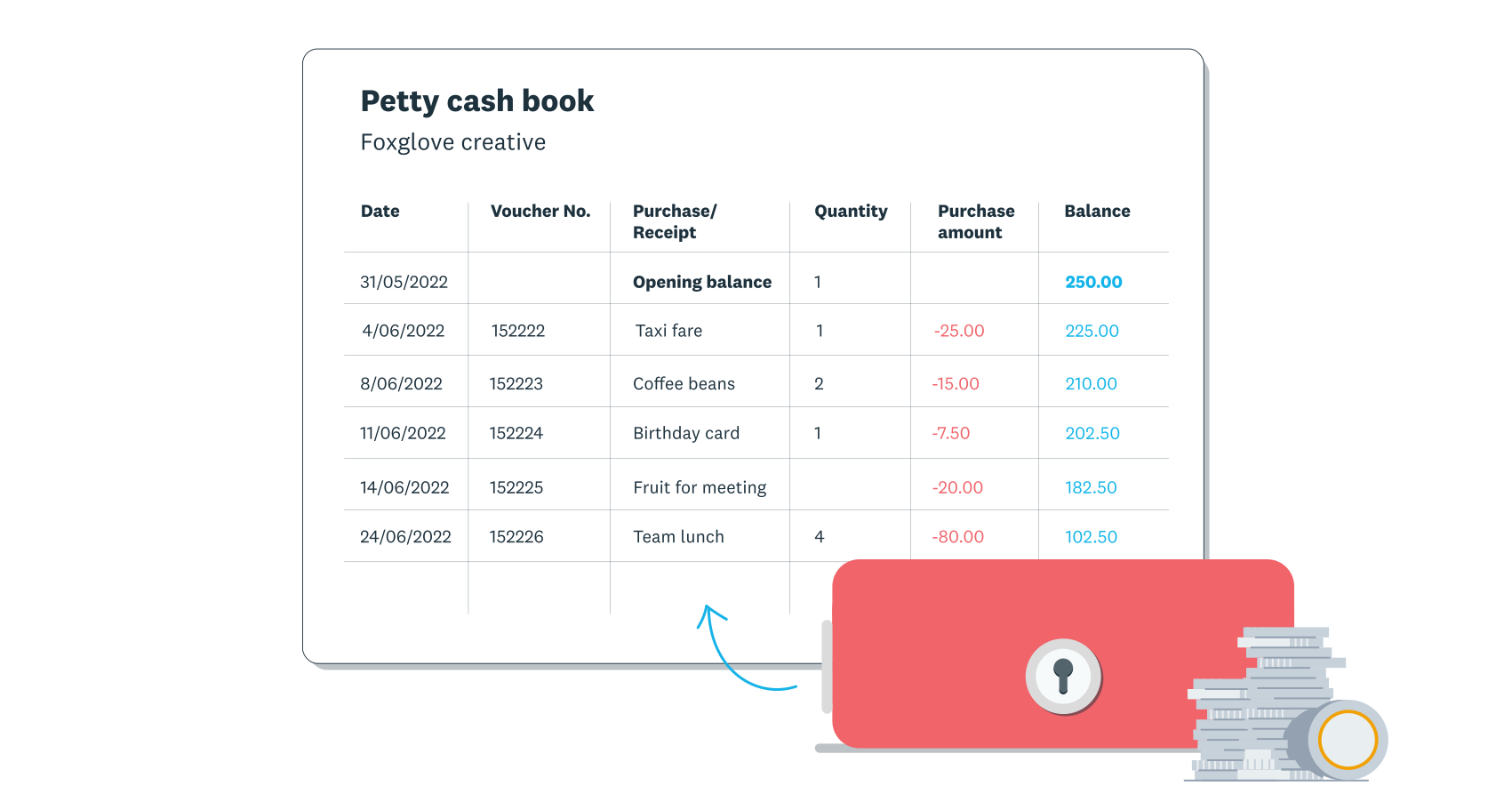
- Petty cash book: A running record of your fund balance showing all cash additions and expense payments with dates, amounts, and purposes.
- General ledger entries: Accounting records that credit your petty cash account and debit the relevant expense category. For example, buying $20 worth of pencils means crediting petty cash $20 and debiting office supplies $20.
Example of petty cash book or spreadsheet format
Here's a sample layout for tracking your petty cash transactions.
A petty cash book or spreadsheet is a simple record of all petty cash transactions.
Petty cash best practices
Keep your petty cash system secure and accurate with these practices.
- Set a clear policy: Define who can access the fund, what expenses qualify, and the maximum amount for a single purchase.
- Store it securely: Keep your petty cash in a locked box or drawer to prevent unauthorised access. A KPMG survey found that 60 per cent of fraud was committed because of weak business controls.
- Require receipts: Make it a rule that no cash leaves the fund without a valid receipt. The Australian Taxation Office requires some business records to be kept for five years if they are not fully reconciled.
- Reconcile monthly: Balance your petty cash fund at least once a month. The cash on hand plus your receipts should equal your starting fund amount.
Common petty cash mistakes to avoid
The right safeguards keep even simple systems running smoothly. Avoid these common petty cash mistakes:
- Skipping receipts: Complete documentation ensures smooth reconciliation and tax compliance. Require a receipt for every transaction, no exceptions.
- Having multiple custodians: Single-person management maintains clear accountability. Assign one person to control access and maintain records, as inadequate supervision of small daily cash amounts can easily add up to a loss of over $60,000.
- Keeping too much cash on hand: Large amounts increase security risks and tie up money you could use elsewhere. Keep only what you need for a month of typical expenses.
- Forgetting to reconcile: Regular reconciliation reveals discrepancies and maintains accuracy. Schedule monthly reconciliation to keep your records current.
- Using petty cash for large purchases: Expenses over your set limit should go through formal payment processes. This maintains proper documentation and approval controls, especially since the ATO typically requires you to apportion expenses of $1,000 or more across the entire supply period.
Manage petty cash efficiently with the right tools
Managing petty cash is simple with the right system. Set up a straightforward process, keep clear records, and handle small expenses with ease.
Accounting software helps you track every dollar and reconcile quickly so you can stay focused on your business.
Simplify your bookkeeping. Get one month free when you try Xero to manage all your business finances in one place.
FAQs on petty cash
Here are answers to some common questions about managing petty cash.
Is petty cash still relevant for modern businesses?
Yes. While digital payments are common, petty cash remains useful for small, in-person purchases where cards aren't accepted or are less convenient. It provides flexibility for immediate, minor expenses.
What's the difference between petty cash and other business expenses?
Petty cash covers small, immediate cash purchases recorded after the fact, while other business expenses are typically larger and go through formal approval processes, such as invoices or credit card transactions.
Can employees access petty cash directly?
Direct access should be controlled. Designate one person, called a custodian, to manage the petty cash fund. This person disburses cash, collects receipts, and tracks the balance. Single-person control maintains proper use and ensures accurate records.
Disclaimer
Xero does not provide accounting, tax, business or legal advice. This guide has been provided for information purposes only. You should consult your own professional advisors for advice directly relating to your business or before taking action in relation to any of the content provided.
Get one month free
Purchase any Xero plan, and we will give you the first month free.