Cash flow statement example
A cash flow statement shows where your money is coming from and where it's going. It's one of the most important financial statements for your business. With the right cash flow template or software, you can move beyond point-in-time reports and get real-time visibility to plan with confidence.
- Learn what a cash flow statement is and how to read one
- See a worked example with real numbers across all three sections
- Discover how to use the example as a template for your own business
- Find out how to track cash flow in real time — no spreadsheets needed
Download the cash flow statement template
Fill in the form to get a cash flow statement template as an editable PDF. We’ll also link you to a guide on how to use it.
How a cash flow statement works
A cash flow report splits cash inflows and outflows into three sections, showing your net cash position and business financial health.
Operating activities
Cash from your day-to-day business. Driven by revenue collected and expenses paid.
Investing activities
Cash spent on or received from long-term assets reflecting your business's growth decisions.
Financing activities
Cash from loans, equity, or debt repayments, showing how your business funds growth and returns value.
What is a cash flow statement?
A cash flow statement is a financial report that shows how cash moves in and out of your business over a set period. Unlike a profit and loss statement, it tracks cash movement. It sits alongside your P&L and balance sheet as one of three core financial statements. A cash flow statement can help:
- spot potential cash shortages before they become urgent problems
- show you whether your business is generating enough cash from operations to sustain growth
- give you the confidence to make smarter decisions about spending, hiring, and investing

A cash flow statement example
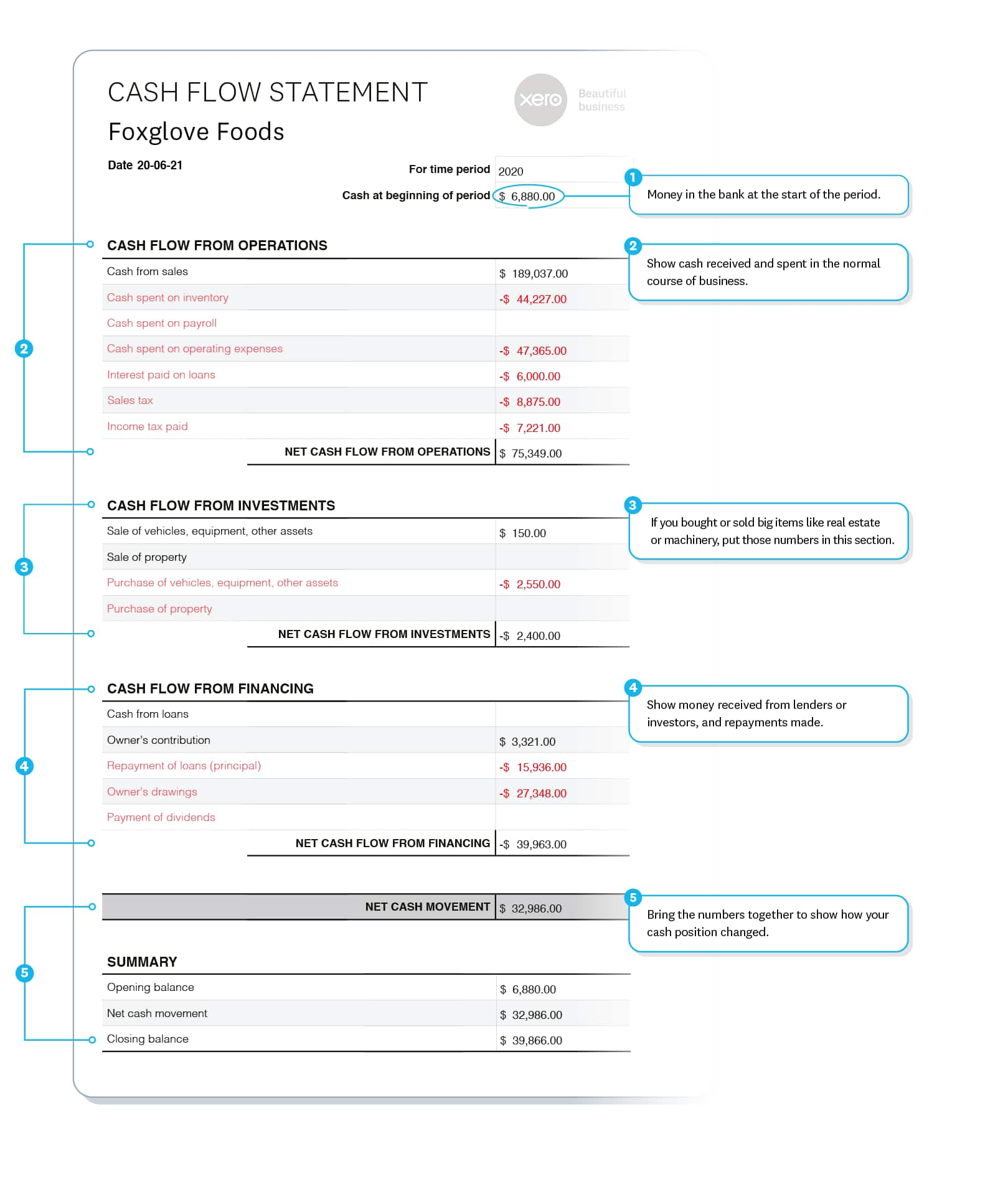
Let’s look at how cash moves in and out of a business over a set period. Knowing how to read it helps you spot cash gaps early, before they become a problem. Each section tells a different part of the story, and reading all three together gives you the full picture.
Operating activity
Cash from day-to-day revenue and expenses. Positive operating cash flow is a healthy sign for your business.
Investing activity
Cash spent on or received from assets. A negative figure isn’t always bad. It can mean your business is growing.
Financing activity
Cash from loans, equity, or debt repayments. These show how your business funds growth and returns value to owners.
Net cash position
All three sections add up to your net cash position, showing whether your business gained or lost cash overall.
Tips to keep your cash flow accurate
Real-time cash flow visibility is only as good as the data behind it. These three habits keep reporting accurate and decisions informed.
Connect and reconcile regularly
Regular bank reconciliation helps keep your cash flow up to date
Keep invoice and bill dates current
Add expected payment dates to accounts receivable and planned dates to accounts payable
Record payments promptly
Marking invoices as paid and recording bill payments as they happen keeps your net cash position accurate
How to track cash flow in real time
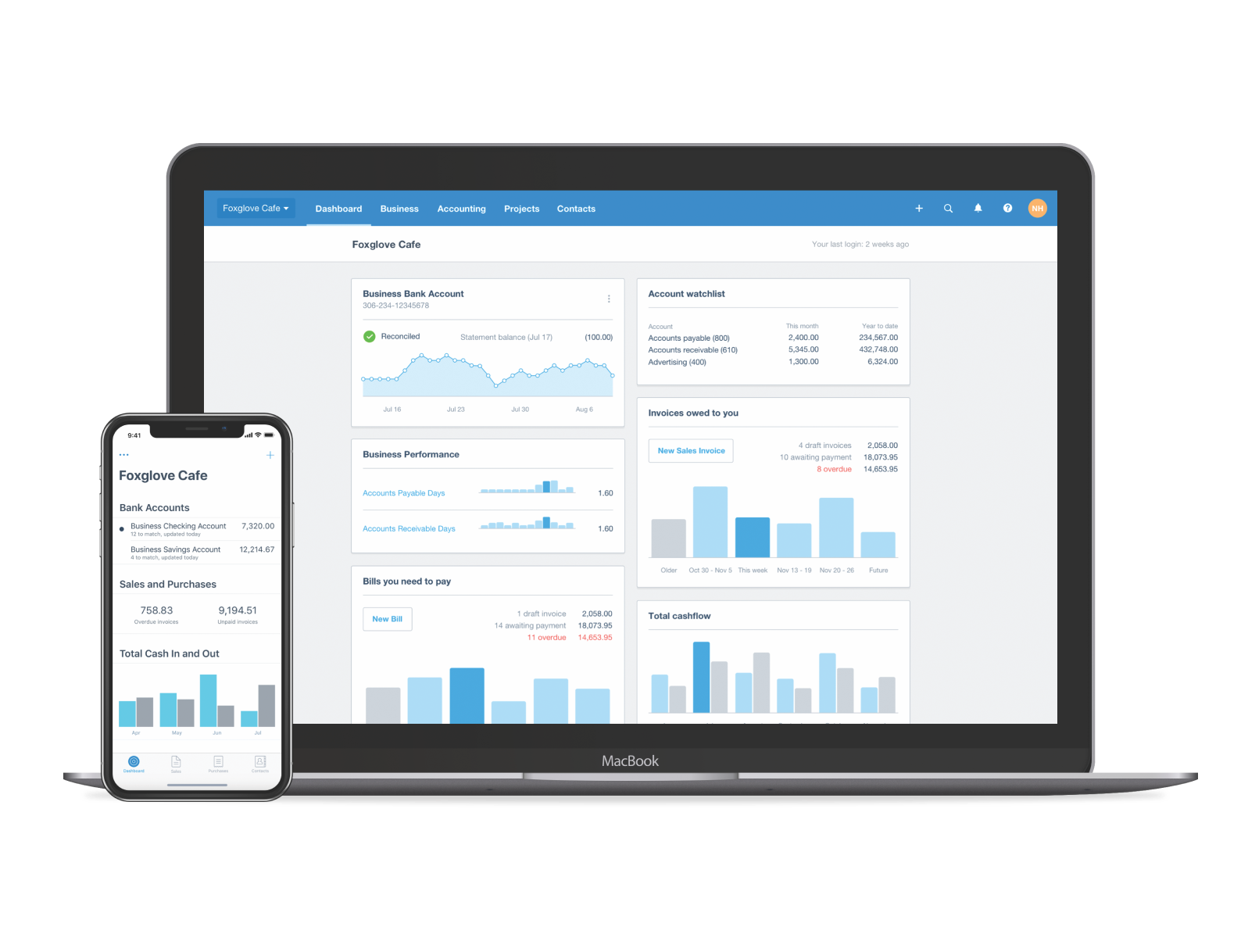
A cash flow statement is a snapshot, but Xero gives you a real-time view. The dashboard summarizes business performance and cash flow at a glance, helping you keep track of where you stand.
- See unpaid bills and invoices in one place, with graphs showing what you’re owed and what you owe
- Bank feeds pull transactions in automatically, giving you an accurate view of cash flow
- JAX, Xero’s AI assistant, handles reconciliation where it’s confident, with less manual work for you
Automate cash flow statements with Xero
Accounting software like Xero takes the manual work out of cash flow reporting. Run a Statement of Cash Flows for any date range, compare periods, and filter by business area to see exactly how cash has moved in and out.
Learn more about Xero reports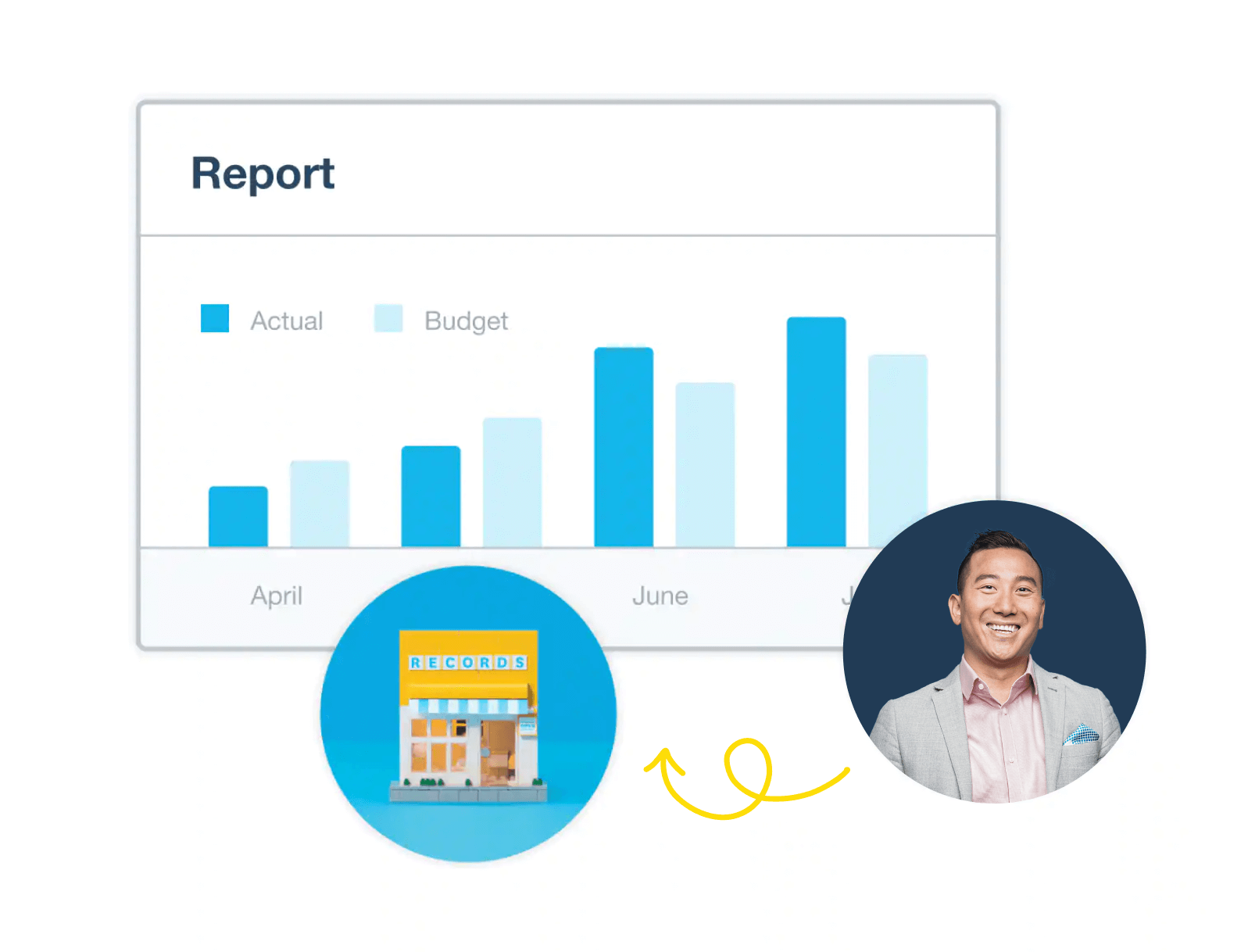
FAQs on cash flow statements
A cash flow statement shows the actual cash moving in and out of your business — not accrual-based revenue or expenses. A business can show profit on its P&L while still running out of cash. The report is divided into three sections: operating, investing, and financing activities, giving you a complete picture of your liquidity.
A cash flow statement shows the actual cash moving in and out of your business — not accrual-based revenue or expenses. A business can show profit on its P&L while still running out of cash. The report is divided into three sections: operating, investing, and financing activities, giving you a complete picture of your liquidity.
Operating activities cover cash from your day-to-day business. A positive figure is a strong sign your core business is healthy. Investing activities show cash spent on or received from long-term assets. A negative figure often means growth. Financing activities capture cash from loans, equity, or repayments. Together, they give you your net cash position.
Operating activities cover cash from your day-to-day business. A positive figure is a strong sign your core business is healthy. Investing activities show cash spent on or received from long-term assets. A negative figure often means growth. Financing activities capture cash from loans, equity, or repayments. Together, they give you your net cash position.
At minimum, review your cash flow report monthly. This gives you a clear picture of trends, helps you spot cash gaps before they become urgent, and keeps your business cash flow tracking on track.
At minimum, review your cash flow report monthly. This gives you a clear picture of trends, helps you spot cash gaps before they become urgent, and keeps your business cash flow tracking on track.
Your P&L records revenue and expenses when they're incurred, not when cash moves. Your cash flow statement tracks actual cash in and out of your accounts. A business can show strong profits while still struggling with cash flow. Reading both together gives you a complete view of your financial health.
Your P&L records revenue and expenses when they're incurred, not when cash moves. Your cash flow statement tracks actual cash in and out of your accounts. A business can show strong profits while still struggling with cash flow. Reading both together gives you a complete view of your financial health.
Yes, and it can help save time for small business owners. Xero includes a Statement of Cash Flows - Direct Method report that shows how your business has received and used cash within a certain time frame.
Yes, and it can help save time for small business owners. Xero includes a Statement of Cash Flows - Direct Method report that shows how your business has received and used cash within a certain time frame.
Xero replaces spreadsheets with a real-time cash flow dashboard. Connect your bank accounts and transactions import automatically — no manual entry. Your homepage shows cash in and out, invoices owed, and bills to pay. JAX, Xero's AI assistant, can automatically reconcile transactions where it can make a confident prediction, helping keep your data up to date.
Xero replaces spreadsheets with a real-time cash flow dashboard. Connect your bank accounts and transactions import automatically — no manual entry. Your homepage shows cash in and out, invoices owed, and bills to pay. JAX, Xero's AI assistant, can automatically reconcile transactions where it can make a confident prediction, helping keep your data up to date.
The top accounting dashboard features for monitoring cash position include: cash in and out over six months, invoices owed, bills to pay, net profit and loss, and a short-term cash flow projection — color-coded so you can spot cash gaps at a glance.
The top accounting dashboard features for monitoring cash position include: cash in and out over six months, invoices owed, bills to pay, net profit and loss, and a short-term cash flow projection — color-coded so you can spot cash gaps at a glance.
Start by reviewing historical cash flow statements. They reveal seasonal patterns, recurring gaps, and working capital trends that repeat year after year. Once you understand your history, you can plan for what's coming. Using analytics tools in accounting software, like Xero, can help with this.
Start by reviewing historical cash flow statements. They reveal seasonal patterns, recurring gaps, and working capital trends that repeat year after year. Once you understand your history, you can plan for what's coming. Using analytics tools in accounting software, like Xero, can help with this.
Accurate cash flow reporting depends on keeping four things current: reconciling your bank accounts regularly, separating business and personal expenses, adding due dates to invoices and bills, and marking payments as made. Together, these habits keep your net cash position accurate and your reports reliable.
Accurate cash flow reporting depends on keeping four things current: reconciling your bank accounts regularly, separating business and personal expenses, adding due dates to invoices and bills, and marking payments as made. Together, these habits keep your net cash position accurate and your reports reliable.
Disclaimer
Xero does not provide accounting, tax, business or legal advice. This guide has been provided for information purposes only. You should consult your own professional advisors for advice directly relating to your business or before taking action in relation to any of the content provided.