Petty cash: what it is and how to manage it properly
Manage petty cash with confidence. Learn simple steps to control spend, improve accuracy, and keep records tidy.

Written by Lena Hanna—Trusted CPA Guidance on Accounting and Tax. Read Lena's full bio
Published Monday 30 March 2026
Table of contents
Key takeaways
- Establish a petty cash fund of $100-$500 to cover a month of small expenses, and assign one person as custodian to manage the fund and approve transactions.
- Require receipts for every petty cash transaction and set a maximum spending limit of $25-$50 per purchase to maintain proper control and documentation.
- Reconcile your petty cash weekly or monthly by counting remaining cash, totalling receipts, and verifying they equal your starting balance to catch errors early.
- Use petty cash only for small, infrequent expenses like office supplies, postage, or refreshments, while processing larger or recurring purchases through your standard payment system.
What is petty cash?
Petty cash is a small amount of cash that businesses keep on hand for minor, everyday expenses. Common examples include buying office supplies, covering postage costs, or picking up refreshments for the team.
Tracking petty cash matters because:
- Tax deductions: Small expenses can add up to significant deductions at year-end
- Spending visibility: Regular tracking helps you spot patterns and control costs
Why use petty cash in your business?
Petty cash gives you a simple way to handle small, everyday expenses without the hassle of processing formal payments. Here's why it works for small businesses:
- Speed: Pay for minor purchases instantly without waiting for approvals
- Flexibility: Cover unexpected costs like emergency supplies or last-minute deliveries
- Simplicity: Reduce paperwork by handling small transactions with cash instead of invoices
- Efficiency: Free up time you'd otherwise spend processing low-value payments
For most small businesses, petty cash strikes the right balance between convenience and control.
How does petty cash work?
Most small businesses keep between $100–$500 in petty cash. The right amount depends on how often you need cash for small purchases.
Choose an amount that covers a month of minor expenses, as funds are typically replenished every two to four weeks to avoid frequent trips to the bank.
Setting up your petty cash fund requires a simple accounting entry:
- Debit: Record the amount in your petty cash account
- Credit: Record the same amount as a withdrawal from your bank account
For example, if you withdraw $200 to start your petty cash fund, debit petty cash $200 and credit your bank account $200.
Here's how a typical petty cash transaction works:
- An employee makes a small purchase or requests cash for one
- They bring the receipt to the petty cash custodian
- The custodian records the expense in the petty cash log
- The custodian reimburses the employee or provides cash upfront
Either approach works. Just make sure every transaction has a receipt.
When your petty cash runs low, follow these steps to replenish it:
- Count the remaining cash and total all receipts
- Verify that cash plus receipts equals your original fund amount
- Submit receipts to your bookkeeper or accounting team
- Withdraw enough cash to restore the fund to its starting balance
- Update your petty cash log with the new balance
Your bookkeeper then updates your accounting records. They record the bank withdrawal and categorise each expense from the receipts. This keeps your books accurate and ensures you can claim any tax-deductible expenses.
If you're a solo business owner, you'll handle all these steps yourself. The key is staying consistent. Set a regular time each week to update your petty cash log and reconcile your receipts, as frequent transaction coding keeps your records accurate.
How to set up a petty cash fund
Setting up petty cash takes just a few steps. Here's how to get started:
- Decide how much cash you need: Start with an amount that covers a month of small expenses, typically $100–$500
- Withdraw cash from your business account: Record this as a debit to petty cash and a credit to your bank account
- Choose a petty cash custodian: Assign one person to manage the fund and approve expenses
- Create your petty cash log: Use a spreadsheet or notebook to track every transaction
- Set spending rules: Define what petty cash can be used for and set a maximum amount per transaction
- Secure the cash: Store it in a lockbox, safe, or locked drawer with limited access
Review your setup after a month and adjust the fund amount if needed.
What expenses to use petty cash for
Petty cash works best for small, infrequent purchases that would be impractical to process through your normal accounts payable system.
Appropriate petty cash expenses:
- Office supplies under $50
- Postage and courier fees
- Coffee, tea, and refreshments for the office
- Emergency repairs or replacements
- Parking and minor travel costs
- Small client gifts or thank-you cards
Expenses to avoid paying with petty cash:
- Regular, recurring purchases
- Large items over your set transaction limit
- Personal expenses
- Purchases that require a detailed audit trail
When in doubt, use your standard payment process. Petty cash is for convenience, not for avoiding proper documentation.
How to record petty cash
Recording petty cash involves tracking every transaction and keeping receipts for your records. You'll need three key tools to stay organised.
Here's what you need to track petty cash:
- Petty cash voucher: Record the expense amount, business purpose, and employee name for each transaction
- Petty cash log: Track your running balance, listing every expense paid and cash added
- General ledger entry: Credit petty cash and debit the relevant expense account for each purchase
For example, if you spend $20 on office supplies, credit petty cash $20 and debit office supplies $20.
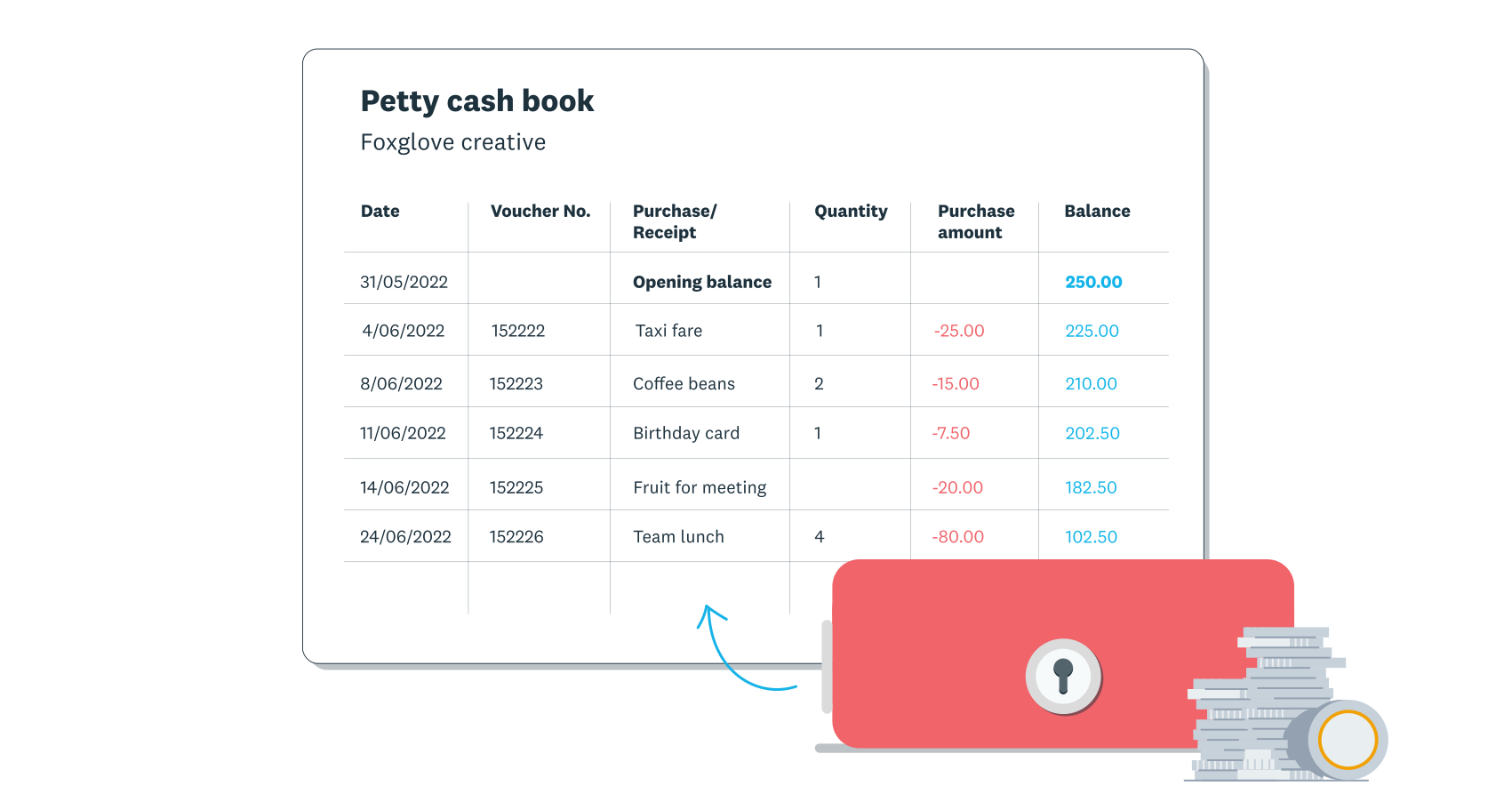
Example of petty cash book or spreadsheet format
A petty cash book is a simple log that tracks every transaction in your fund. Here's an example of what it looks like:
Best practices for managing petty cash
Good petty cash management protects your business and keeps your records accurate. Follow these practices to stay in control:
- Set a transaction limit: Cap individual purchases at $25–$50 to prevent misuse
- Require receipts for every expense: No receipt means no reimbursement
- Reconcile weekly or monthly: Count the cash, total the receipts, and verify they match your starting balance
- Conduct surprise audits: Occasional spot checks help prevent fraud and catch errors early
- Keep cash secure: Use a lockbox or safe with limited access
- Separate duties where possible: Have one person approve expenses and another handle the cash
- Replenish on a schedule: Top up the fund at regular intervals to avoid running out
- Use accounting software: Tools like Xero simplify tracking and reduce manual errors
Consistent processes make petty cash easier to manage and harder to misuse.
Manage petty cash with confidence using Xero
Tracking petty cash doesn't have to mean more paperwork. Xero's cloud-based accounting software helps you record expenses, categorise transactions, and keep accurate records in one place.
You can reconcile petty cash alongside your other accounts and see exactly where your money goes. Get one month free and simplify your small business finances.
FAQs on petty cash
Here are answers to common questions about managing petty cash.
Is petty cash an asset or expense?
Petty cash is a current asset on your balance sheet, with its treatment guided by accounting principles such as the International Accounting Standard (IAS) 7 Cash Flow Statements. When you spend petty cash, you record the purchase as an expense and reduce your petty cash balance.
How much petty cash should I keep on hand?
Most small businesses keep between $100–$500. Choose an amount that covers a month of small expenses without needing frequent replenishment.
Do I need special software to manage petty cash?
You can track petty cash with a simple spreadsheet or notebook. However, accounting software like Xero makes it easier to reconcile transactions and keep accurate records.
What if my petty cash doesn't balance?
First, recount the cash and check your receipts for errors. Look for missing receipts, duplicate entries, or calculation mistakes. If you still can't find the discrepancy, record it as a cash shortage in your accounts.
Can I use petty cash for employee salaries or large purchases?
Petty cash is designed for small, incidental expenses only. Use your standard payroll and accounts payable processes for salaries, large purchases, and recurring payments.
Disclaimer
Xero does not provide accounting, tax, business or legal advice. This guide has been provided for information purposes only. You should consult your own professional advisors for advice directly relating to your business or before taking action in relation to any of the content provided.
Start using Xero for free
Access Xero features for 30 days, then decide which plan best suits your business.