Cost of sales: what it is and how to calculate it (COS)
Learn how cost of sales shows true profit and guides pricing, and see simple steps to calculate it.
Written by Lena Hanna—Trusted CPA Guidance on Accounting and Tax. Read Lena's full bio
Published Friday 20 February 2026
Table of contents
Key takeaways
- Calculate your cost of sales by including only expenses directly tied to producing or delivering your product or service, such as direct materials, labour, and shipping costs, while excluding general operating expenses like marketing, office rent, and administrative salaries that you'd pay regardless of sales volume.
- Apply the basic cost of sales formula consistently: for product businesses use Beginning Inventory + Purchases - Ending Inventory, while service businesses should use Direct Labour + Direct Costs of Service Delivery to maintain accurate profitability tracking.
- Track your cost of sales regularly to catch rising expenses early and make informed pricing decisions, as this figure sets your baseline for profitable pricing and helps you determine when to negotiate with suppliers or adjust your retail prices.
- Maintain consistency in how you categorise borderline expenses like sales commissions or equipment repairs, as inconsistent treatment makes it harder to track trends and compare profitability across different time periods.
What is cost of sales?
Cost of sales is the total expense of producing or delivering your product or service to customers. You might also see it called cost of goods sold (COGS).
Understanding your cost of sales helps you make smarter financial decisions. According to a global survey, 80% of organisations use costing information for decision making, guiding choices on everything from pricing to profit margin management.
For most small businesses, cost of sales equals direct costs: the expenses tied directly to the goods or services you sell.
This differs from indirect costs. These are general business expenses that don't relate to making products or delivering services.
Cost of sales varies by business type:
- retailers typically include stock purchases and packaging
- service providers might include software subscriptions and delivery tools
What to include in cost of sales
Cost of sales includes any expense directly tied to producing or delivering your product or service. These are the costs you wouldn't have if you didn't make a sale.
Common items to include:
- Direct materials: include raw materials, inventory purchases, and packaging
- Direct labour: cover wages for staff who produce goods or deliver services
- Production costs: include manufacturing expenses and factory overhead
- Shipping and freight: cover delivery costs to get products to customers
- Service delivery costs: include software, tools, and resources needed to complete client work
- Sales commission: include when directly tied to individual sales
The specific items depend on your business type. A retailer focuses on inventory and shipping, while a consultant includes time and software subscriptions.
What to exclude from cost of sales
Operating expenses don't belong in your cost of sales calculation. These are costs you'd pay whether or not you made a single sale.
Common items to exclude:
- Marketing and advertising: promotes your business but doesn't deliver products
- Office rent and utilities: covers general overhead, unless directly used for production
- Administrative salaries: pay back-office staff not involved in production or delivery
- Professional fees: cover legal, accounting, and consulting services
- General insurance: provides business coverage not tied to specific products
- Research and development: creates new products rather than delivering existing ones
If an expense would exist even with zero sales, it's likely an operating expense rather than cost of sales.
How to calculate cost of sales

The basic cost of sales formula works for most product-based businesses:
Cost of Sales = Beginning Inventory + Purchases − Ending Inventory
Here's how to apply the formula:
- Find your beginning inventory: calculate the value of stock at the start of the period
- Add purchases: include all inventory bought during the period
- Subtract ending inventory: deduct the value of stock remaining at the end
The result is your cost of sales for that period.
For service businesses without inventory, use this approach:
Cost of Sales = Direct Labour + Direct Costs of Service Delivery
Different industries adapt this formula to fit their operations. The sections below cover specific calculations for service businesses, retailers, and manufacturers.
How to calculate cost of sales in different industries
The cost of sales formula changes based on your business type. Below are calculations for service businesses, retailers, and manufacturers.
Cost of sales for service businesses

Service businesses include all costs directly tied to delivering services:
- employees who deliver the service
- facilities where services are provided
- travel and equipment (when applicable)
Include only employees and overhead directly tied to service delivery. A freelancer working from home on a laptop, for example, wouldn't include travel or equipment costs.
Cost of sales for retailers
Retailers use an inventory-based formula: beginning inventory plus purchases, minus ending inventory.
Ecommerce businesses often add shipping and transaction fees, since these apply to every sale.
Cost of sales for manufacturing businesses

Manufacturers include raw materials and production costs in their calculations.
Warehousing and freight are optional. Some manufacturers treat these as operating expenses rather than cost of sales.
Cost of sales examples
Some expenses sit in a grey area, and you'll need to decide whether they count as cost of sales or operating expenses. This can be challenging, as a global survey found 35% of organisations struggle with a lack of understanding of costing concepts.
Common examples include:
- Sales commission: could be part of delivering your product, or treated as an operating cost
- Equipment repairs: could be cost of sales if the equipment directly produces goods, or an operating expense
Consistency matters most. Once you decide how to categorise an expense, apply that decision every time.
If you include commission in one calculation but not another, you'll get different figures for the same type of sale. That makes it harder to track trends and make decisions.
Retail business example
Here's how a homeware store owner calculates cost of sales for handmade pottery cups:
- Purchase price: £5 per cup from the supplier
- Shipping: £2 per cup to get stock delivered to the store
- Labour: £3 per cup for staff to shelve and sell the item
Total cost of sales: £10 per cup
To achieve a 50% profit margin, the owner sets a retail price of £15 per cup.
Why is cost of sales important?
Cost of sales sets your pricing baseline. You need to charge above this figure to make a profit.
Understanding what goes into your product or service helps you work out the profitability of each sale.
Labour costs are usually straightforward to calculate. Other expenses need careful attention when you're starting out.
For example, ecommerce businesses working from home often enjoy strong margins at first. Factor in warehouse or dedicated workspace costs to maintain accurate margin calculations.
Consider both fixed costs and variable costs in your calculation:
- Fixed costs: expenses that stay consistent regardless of production levels, such as employee salaries
- Variable costs: expenses that change based on output, such as shipping fees that vary by supplier, distance, and quantity
Your cost of sales should include all fixed and variable costs directly tied to delivering your products or services.
Calculate your cost of sales regularly to catch changes early. Rising delivery fees and other cost increases affect your profit margins.
Tracking these shifts helps you decide when to raise prices or find new suppliers.
Cost of sales vs. expenses
Cost of sales covers expenditure directly linked to selling your products or services.
Business expenses are the broader costs of running your business, whether or not they relate to individual sales.
Here's how to tell the difference:
- PR agency fees: a business expense. It promotes your brand but doesn't directly deliver products to customers.
- Delivery fees: cost of sales. Without delivery, online customers wouldn't receive their orders.
Track both figures to make better financial decisions:
- When sales are low: look at reducing business expenses
- When profit margins change: focus on reducing your cost of sales
Cost of sales vs. cost of goods sold
Cost of sales and cost of goods sold (COGS) mean similar things but aren't always interchangeable.
COGS typically refers to the direct costs of producing or acquiring physical goods, with its principles outlined in international accounting standards like IAS 2 Inventories. Manufacturers and retailers use this term because it focuses on:
- raw materials
- production labour
- factory overhead
Cost of sales is a broader term that includes service delivery costs. Service businesses prefer it because it covers:
- commission and fees
- transport and distribution
- software and tools for delivery
Which should you use? Choose the term that fits your business model. Product-based businesses often use COGS, while service businesses lean toward cost of sales. What matters most is applying your chosen term consistently.
Simplify your cost tracking with Xero
Business costs change constantly. A simple way to track them helps you stay in control of spending.
Xero job costing software gives you a live view of income and outgoings, so you always know where you stand.
Go deeper with analytics and reporting features:
- cash flow projections
- income and expenditure reports
- financial statements and calculations
Stay in control of your numbers. Get one month free and see how Xero simplifies cost tracking.
FAQs on cost of sales
Still have questions about cost of sales? Here are answers to common queries.
Is cost of sales an expense or income?
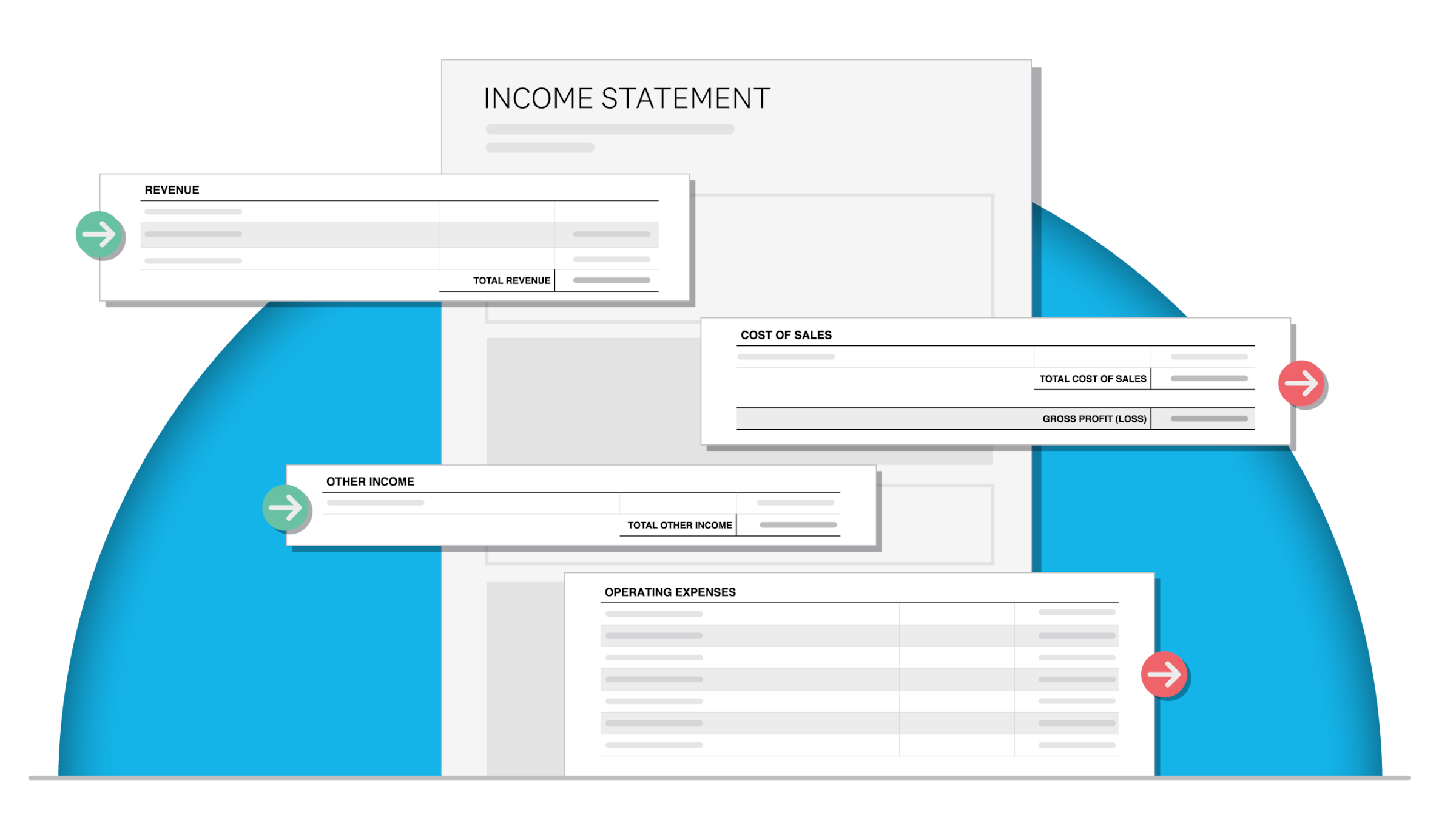
Cost of sales is an expense. It appears on your income statement (profit and loss) and reduces your gross profit. Unlike operating expenses, cost of sales is directly tied to revenue: you only incur these costs when you make sales.
How can I reduce my cost of sales?
Reducing your cost of sales improves profitability and lets you set more competitive prices. While most organisations see costing as important, over half are dissatisfied with their costing systems, creating opportunities for improvement. Here are practical ways to lower costs:
- negotiating with suppliers to get a better price or terms
- shopping around for better deals on raw materials or stock
- increasing production efficiency with new technology, equipment, or skills
- improving inventory management so you're not over- or understocking (inventory software can help with this)
- outsourcing specific skills or functions so you don't need to hire staff
How does the cost of sales affect profitability?
Cost of sales directly reduces your profit. The smaller the gap between your cost of sales and retail price, the less profit you keep.
For example, if you make £100,000 in sales revenue but your cost of sales is £90,000, you're left with just £10,000.
Aim for a cost of sales that leaves room for healthy profit margins while keeping prices competitive.
Disclaimer
Xero does not provide accounting, tax, business or legal advice. This guide has been provided for information purposes only. You should consult your own professional advisors for advice directly relating to your business or before taking action in relation to any of the content provided.
Start using Xero for free
Access Xero features for 30 days, then decide which plan best suits your business.