Cash accounting
Learn what cash accounting is, how it works, and whether it's the right method for your business.
Published Thursday 6 August 2026
Table of contents
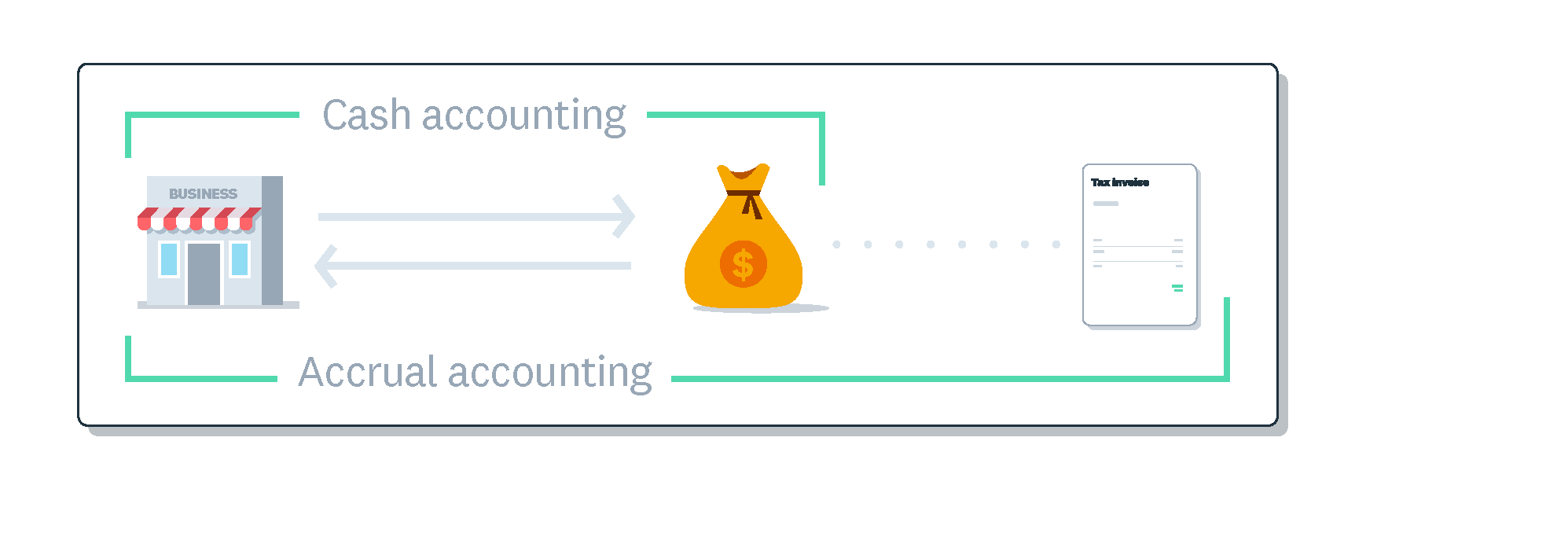
Cash accounting focuses only on money, not bills or invoices.
Key takeaways
- Cash accounting records income and expenses only when money actually enters or leaves your bank account, not when an invoice or bill is raised.
- It gives a clear, real-time view of the cash you have on hand, which makes it simple to manage for straightforward businesses.
- It does not show money owed to you or money you owe, so it offers only a short-term picture and is not compliant with GAAP.
- Sole traders, freelancers and service-based businesses without inventory or credit sales are the best fit, but some tax authorities restrict who can use it.
What is cash accounting?
Cash accounting is an accounting method where you record income and expenses only when money actually changes hands. Unpaid invoices and bills don't appear in your records until they're paid.
This approach gives you a clear view of the cash you have available right now. It's often favoured by small businesses because it's straightforward to manage.
The word "cash" here refers to the timing of when transactions are recorded, not the payment method. Whether a customer pays by bank transfer, card or cheque, what matters is when the payment clears.
How does cash accounting work?
With cash accounting, you only update your books when money moves in or out of your bank account. If you send an invoice, you don't record the income until your customer pays. Similarly, if you receive a bill, you don't record the expense until you pay it.
Here's a simple example: you invoice a client in March for HK$10,000. They pay you in April. Under cash accounting, you record that income in April when the money arrives.
This method keeps your small business bookkeeping focused on actual cash movements. It also simplifies how you record accounting transactions, since you're only tracking completed payments.
Cash accounting vs accrual accounting
Cash accounting and accrual accounting differ in when transactions are recorded. Your choice affects how you see your financial position at any given time.
- Cash accounting records income when payment is received; accrual accounting records it when earned.
- Cash accounting records expenses when paid; accrual accounting records them when incurred.
- Cash accounting shows actual cash on hand; accrual accounting shows money owed and owing.
- Cash accounting suits businesses with straightforward transactions; accrual suits those with inventory or credit sales.
- Cash accounting is simpler to maintain; accrual provides a fuller financial picture.
For a detailed comparison, see the guide on cash vs accrual accounting.
Pros and cons of cash accounting
Cash accounting has distinct benefits and drawbacks. Understanding both helps you decide if it suits your business.
Advantages of cash accounting include:
- simple to set up and maintain with minimal bookkeeping effort
- provides a clear, real-time view of how much cash you have available
- lets you pay tax on money you've actually received, not on unpaid invoices
Drawbacks of cash accounting include:
- no visibility of money owed to you or money you owe to others
- offers only a short-term snapshot rather than a complete financial picture
- not compliant with Generally Accepted Accounting Principles (GAAP), which some stakeholders may require
Who should use cash accounting?
Cash accounting works well for businesses with straightforward finances and limited credit transactions. It's a practical choice if you want to keep your bookkeeping simple.
- sole traders and freelancers who manage their own accounts
- service-based businesses that invoice clients without managing physical inventory
- cash-based businesses where customers pay immediately
- businesses without inventory or significant credit sales
If you're a sole trader, sole proprietor accounting software can help you manage your books efficiently. For broader guidance, explore the small business accounting guide.
Cash accounting and tax
The accounting method you choose affects when you're required to pay tax. Under cash accounting, you recognise income for tax purposes when you receive payment, not when you issue an invoice. This can help with cash flow, since you're not paying tax on money you haven't collected yet.
Some tax authorities restrict which businesses can use cash accounting, often based on factors like business size or turnover. Rules vary, so confirm your eligibility with the Inland Revenue Department (IRD) or a qualified accountant before committing to a method.
Simplify cash accounting with Xero
Managing your books doesn't have to be complicated. Xero lets you run reports on both a cash basis and an accrual basis, so you can see your finances from different angles. Automated bank feeds pull transactions directly into your account, and bank reconciliation helps you keep records accurate with less manual effort.
Ready to make bookkeeping easier? You can get one month free and see how Xero fits your business.
FAQs on cash accounting
Here are answers to common questions about cash accounting.
What is cash accounting in simple terms?
Cash accounting means you record money when it enters or leaves your bank account. If you haven't been paid yet, you haven't earned it in your books.
How is cash accounting different from accrual accounting?
Cash accounting tracks actual payments, while accrual accounting tracks when transactions are agreed. Accrual gives a broader view; cash shows what's in the bank now.
Who can use cash accounting?
Sole traders, freelancers and small service-based businesses often use cash accounting. Some jurisdictions set turnover limits, so check local rules.
What are the disadvantages of cash accounting?
It doesn't show unpaid invoices or outstanding bills. This makes it harder to plan ahead or satisfy lenders who want a full financial picture.
Can any business use cash accounting?
Not always. Some businesses must use accrual accounting for regulatory or compliance reasons. Larger companies and those with shareholders typically need accrual-based reports.
Related terms
Learn more about cash accounting
Handy resources
Advisor directory
You can search for experts in our advisor directory
How to do bookkeeping
Learn about data entry, bank rec, reporting and tax prep in our guide to doing bookkeeping.
Online accounting with Xero
Automate your accounting in the cloud
Disclaimer
This glossary is for small business owners. The definitions are written with their requirements in mind. More detailed definitions can be found in accounting textbooks or from an accounting professional. Xero does not provide accounting, tax, business or legal advice.