Basis of accounting
Learn what your basis of accounting means, and how cash and accrual methods work for Hong Kong businesses.
Published Friday 24 July 2026
Table of contents
Key takeaways
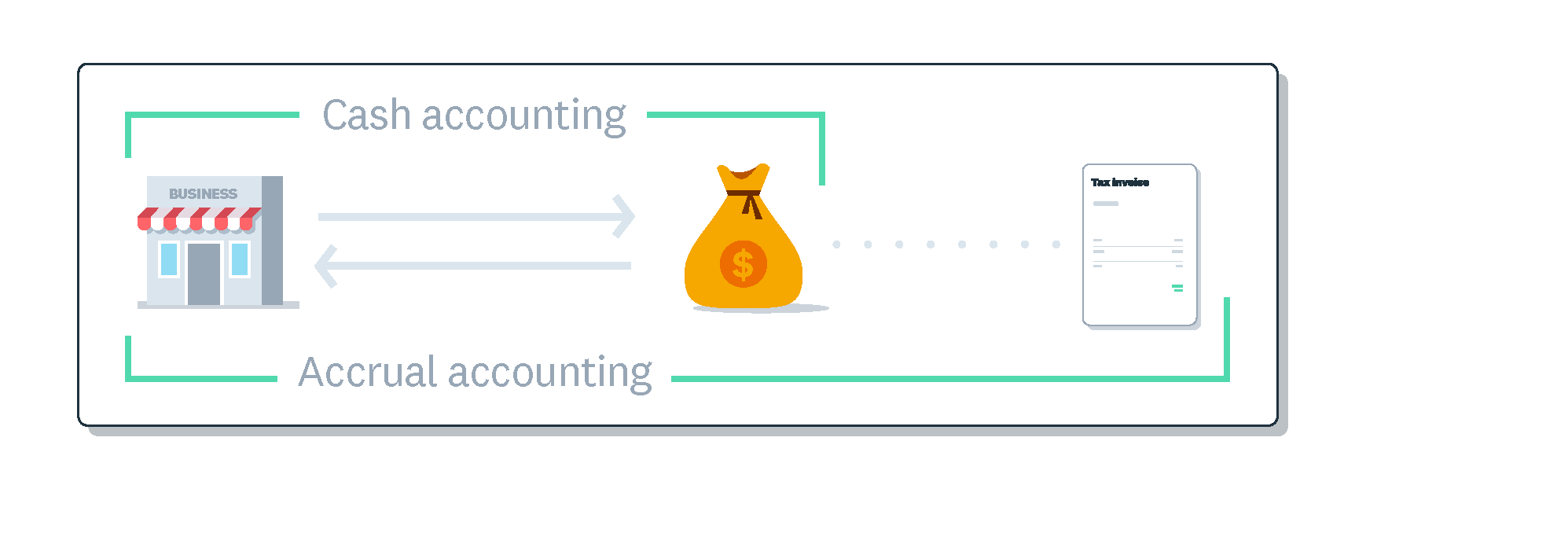
Basis of accounting determines the point at which you recognise transactions.
- Your basis of accounting sets the timing rule for when you record income and expenses.
- Cash basis records money when it changes hands, giving you a short-term view of available cash.
- Accrual basis records income and expenses when the transaction happens, giving you a longer-term view of profitability.
- Hong Kong companies generally report on the accrual basis, and profits tax is assessed on your accounting profits for the basis period.
What is the basis of accounting?
Your basis of accounting decides when you record income and expenses: when cash changes hands, or when the transaction happens. It is the timing rule behind every figure in your books.
The choice shapes how you read your numbers. Cash accounting gives you a shorter-term view of the cash you have available, while accrual accounting gives you a longer-term view of your profitability.
Cash basis accounting explained
Cash basis accounting records income when money lands in your account and expenses when you pay them. It follows the movement of cash, not the date of the sale or bill.
Say you invoice a client in March, and they pay you in April. Under cash basis you record that income in April, when the payment actually arrives.
Accrual basis accounting explained
Accrual basis accounting records income when you earn it and expenses when you incur them, whatever the payment date. It matches revenue to the work that created it.
Take the same invoice raised in March and paid in April. Under accrual basis you record the income in March, when you sent the invoice. This gives a clearer picture of profitability, and it is the basis lenders and investors usually expect to see.
Hybrid (modified) basis of accounting
A hybrid or modified basis mixes the two methods, recording some transactions on a cash basis and others on an accrual basis. A business might track everyday income on cash and larger items like inventory on accrual.
This approach can get complex, and the rules around what sits where are not always obvious. Set it up with an accountant or tax professional so your records stay consistent and defensible.
Cash vs accrual: how the timing differs
The core difference is timing: cash basis reacts to payments, while accrual basis reacts to transactions. That single distinction changes when income and expenses show up in your reports.
- Cash basis records income when payment is received and expenses when payment is made
- Accrual basis records income when it is earned and expenses when they are incurred
- Cash basis highlights the cash you have on hand right now
- Accrual basis highlights profitability across a full period, including money owed to and by you
How to choose the right basis for your business
The right basis depends on how your business runs and what you need your numbers to tell you. A few practical factors point you towards one method or the other.
- Business size: smaller, simpler businesses often find cash basis easier to manage day to day
- Credit sales: if you invoice clients and wait to be paid, accrual basis reflects that activity more accurately
- Inventory: businesses holding stock usually get a truer picture from accrual basis
- Financing and reporting: if you seek funding or produce formal financial statements, accrual basis is generally expected
What the basis of accounting means in Hong Kong
In Hong Kong, your basis of accounting connects to both financial reporting and tax. Local companies generally prepare financial statements under Hong Kong Financial Reporting Standards (HKFRS), which require the accrual basis of accounting.
For tax, Hong Kong profits tax is assessed on the assessable profits of the basis period. That means the accounting year ending in the year of assessment, with tax adjustments applied. Because most reporting rests on the accrual basis, it helps to keep your records aligned with it from the start.
Simplify your bookkeeping with Xero
Xero lets you run reports on both a cash and an accrual basis, so you can see your available cash and your profitability without rebuilding your books. Keep your records tidy, switch views when you need to, and stay ready for reporting time, so start today and get one month free.
FAQs on the basis of accounting
Here are answers to some frequently asked questions about the basis of accounting.
What is the difference between cash basis and accrual basis accounting?
Cash basis records income and expenses when money moves, while accrual basis records them when the transaction happens. The gap between the two is all about timing.
Which basis of accounting should a small business use?
Smaller businesses with simple, cash-based activity often prefer cash basis, while those with credit sales, inventory or funding needs tend to use accrual basis. An accountant can confirm the best fit for your situation.
What is the hybrid basis of accounting?
The hybrid basis records some transactions on cash and others on accrual within the same set of books. It can get complex, so it is best set up with a tax professional.
Does Hong Kong require accrual accounting?
Hong Kong companies generally prepare financial statements under HKFRS, which is based on the accrual basis. Profits tax is then assessed on your accounting profits for the basis period, with adjustments.
Can a business change its basis of accounting?
Yes, a business can change its basis, though it affects how income and expenses are recorded and reported. Speak to an accountant before switching so the change is handled correctly.
Related terms
Learn more about the basis of accounting
Handy resources
Advisor directory
You can search for experts in our advisor directory
How to do bookkeeping
Learn about data entry, bank rec, reporting and tax prep in our guide to doing bookkeeping.
Online accounting with Xero
Automate your accounting in the cloud
Disclaimer
This glossary is for small business owners. The definitions are written with their requirements in mind. More detailed definitions can be found in accounting textbooks or from an accounting professional. Xero does not provide accounting, tax, business or legal advice.