Cost of sales explained: What it is and how to calculate it
Cost of sales shapes your pricing and profit. Learn how to calculate it fast.
Written by Lena Hanna—Trusted CPA Guidance on Accounting and Tax. Read Lena's full bio
Published Thursday 5 February 2026
Table of contents
Key takeaways
- Calculate your cost of sales regularly by including only direct costs tied to delivering your product or service, such as materials, production labour, and shipping to customers, while excluding indirect expenses like rent, marketing, and administrative costs.
- Use cost of sales as the foundation for profitable pricing by ensuring you charge above this baseline cost, then add your desired profit margin which can range from 5-10% in competitive markets to over 200% in specialised industries.
- Reduce your cost of sales through strategic actions like negotiating better supplier terms, comparing alternative suppliers, improving production efficiency, and converting fixed labour costs to variable costs through selective outsourcing.
- Track your cost of sales monthly or more frequently if you have fluctuating costs, as regular monitoring helps you spot rising expenses early and adjust pricing or suppliers before profit margins shrink.
What is cost of sales?
Cost of sales is the total expense of delivering your product or service to a customer. It includes all direct costs tied to what you sell, such as materials, labour, and production expenses.
For most small businesses, cost of sales equals direct costs. These are expenses directly linked to creating your product or delivering your service. Indirect costs, like rent or marketing, don't count towards cost of sales.
What counts as cost of sales varies by business type:
- Retailers: Stock purchases, packaging, and shipping
- Service providers: Software subscriptions, subcontractor fees, and project materials
- Manufacturers: Raw materials, production labour, and equipment costs
Cost of sales vs. cost of goods sold
Cost of sales and cost of goods sold (COGS) are similar but not identical. The main difference is scope.
Cost of goods sold (COGS): Focuses on direct costs of producing or purchasing physical products. Manufacturers and product-based businesses typically use COGS.
Cost of sales: A broader term that includes all direct costs of delivering value to customers, including services. Service businesses and retailers often prefer cost of sales, though the terms can be flexible. For example, the IRS states that service businesses that charge for materials may need to report cost of goods sold for services on their tax returns.
When to use each term:
- Use COGS when calculating costs for physical products you manufacture or purchase for resale.
- Use cost of sales when your business delivers services or when you want to capture all direct costs, including distribution.
In practice, many businesses use these terms interchangeably. What matters is applying your chosen definition consistently.
Why is cost of sales important?
Cost of sales directly affects your profitability. It sets the baseline for your pricing. You need to charge above your cost of sales to make a profit.
Understanding your cost of sales helps you:
- Set profitable prices: Know your minimum price point before adding a margin, which can vary significantly by industry. Research shows varying standard markup percentages, from 5–10% in competitive markets to over 200% in others.
- Spot margin pressure: Identify rising costs like delivery fees before they erode profits.
- Plan for growth: Anticipate how costs change as your business scales.
Your cost of sales includes both fixed and variable costs:
- Fixed costs: Expenses that stay consistent regardless of sales volume, like employee salaries.
- Variable costs: Expenses that change with production levels, like shipping and raw materials.
Calculate your cost of sales regularly. Costs fluctuate, and tracking them helps you decide when to adjust prices or find new suppliers.
What to include in your cost of sales calculation
Knowing what to include in your cost of sales calculation prevents errors and gives you an accurate picture of your margins. The general rule: if a cost is directly tied to delivering your product or service, it counts.
Costs to include:
- Raw materials and components
- Direct labour (employees who make or deliver your product/service)
- Manufacturing or production costs
- Shipping and delivery to customers (under both IFRS and US GAAP, freight costs are typically considered a part of the cost of sales when shipping to a customer)
- Packaging materials
- Subcontractor fees for project delivery
- Software or tools essential to service delivery
Costs to exclude:
- Rent and utilities (unless a dedicated production facility)
- Marketing and advertising
- Administrative salaries
- Office supplies
- Insurance and legal fees
- General business software
When in doubt, ask: "Would I incur this cost if I didn't make this specific sale?" If the answer is yes, it's likely a business expense, not cost of sales.
Cost of sales vs. expenses
Cost of sales covers costs directly tied to delivering your product or service. Business expenses are the broader costs of running your business, whether or not you make a sale.
To tell the difference:
- Cost of sales example: Delivery fees for an online store. Without delivery, products don't reach customers, so it's a direct cost of each sale.
- Business expense example: PR agency fees. This helps build your brand but isn't directly tied to delivering a specific product.
Track both numbers to make informed decisions. When sales drop, look at reducing business expenses. When profit margins shrink, focus on lowering your cost of sales.
How to calculate cost of sales in different industries
The cost of sales formula changes depending on your business type. Each formula captures the direct costs specific to how you deliver value to customers.
The standard formulas vary for service businesses, retailers, and manufacturers.
Cost of sales example formula for service businesses
Service businesses add up all costs directly tied to delivering client work. The formula typically includes labour, facilities, and project-related expenses.

Include in your calculation:
- Wages for employees who deliver services
- Workspace costs for service delivery
- Travel expenses for client projects
- Equipment used for client work
Exclude from your calculation:
- Back-office employee salaries
- General administrative costs
- Marketing and sales expenses
For freelancers working from home, travel and equipment costs may not apply.
Cost of sales example formula for retailers
Retailers calculate cost of sales using inventory values. The basic formula is Beginning Inventory + Purchases − Ending Inventory, but the valuation method matters. For instance, US GAAP permits all four costing methods (FIFO, LIFO, Weighted Average, and Specific Identification), while international standards prohibit LIFO.

Cost of sales example formula for manufacturing
Manufacturers include all costs from raw materials through to finished goods. The formula captures materials, production labour, and related expenses.
Typically included:
- Raw materials and components
- Direct production labour
- Manufacturing equipment costs
- Factory overhead directly tied to production

Decision point: Some manufacturers include warehousing and freight as cost of sales. Others treat these as operating expenses. Choose one approach and apply it consistently.
Cost of sales examples
Consistency matters more than the specific categorisation. Some costs fall into a grey area between cost of sales and operating expenses. The key is choosing an approach and sticking with it.
Common grey-area costs include:
- Sales commissions: Can be cost of sales (tied to each sale) or operating expense (general sales cost).
- Equipment repairs: Can be cost of sales (production equipment) or operating expense (general maintenance).
- Subcontractor fees: Can be cost of sales (project delivery) or operating expense (general support).
Retail business example
A homeware store owner calculates cost of sales for handmade pottery cups to set a profitable price.
The cost breakdown per cup includes the following:
- Purchase price from supplier: £5
- Shipping from supplier to store: £2
- Employee labour (shelving and sales assistance): £3
Total cost of sales per cup: £10
To achieve a 50% profit margin, the store owner sets a retail price of £15 per cup. This leaves £5 profit after covering all direct costs.
How to reduce your cost of sales
Reducing your cost of sales improves profit margins without raising prices. Five strategies can help lower your direct costs.
- Negotiate with suppliers: Ask for volume discounts, better payment terms, or price matching. Even small reductions add up across all purchases.
- Compare supplier options: Shop around for raw materials and stock. New suppliers may offer better prices or quality for the same cost.
- Improve production efficiency: Invest in technology, equipment upgrades, or staff training to produce more with less waste and time.
- Optimise inventory management: Avoid overstocking and understocking, and choose a costing method that aligns with your financial goals. For example, in a rising-cost environment, using LIFO can result in a higher reported COGS, potentially reducing tax liability.
- Outsource strategically: Contract specialists for specific tasks instead of hiring full-time staff. This converts fixed labour costs into variable costs you can scale with demand.
Track your costs with confidence using Xero
Costs change constantly. Without a clear way to track them, your margins can shrink before you notice.
Xero gives you a live view of your cost of sales and overall finances. Track income and expenses in real time, run reports to spot trends, and make informed pricing decisions.
With Xero, you can:
- Monitor costs as they happen: See your cost of sales update automatically.
- Run detailed reports: View profit and loss, cash flow projections, and custom financial statements.
- Track project profitability: Use job costing to see which work is most profitable.
Ready to take control of your costs? Get one month free and see how Xero simplifies your financial management.
FAQs on cost of sales
Answers to common questions about cost of sales and how it affects your business.
Is cost of sales an expense or income?
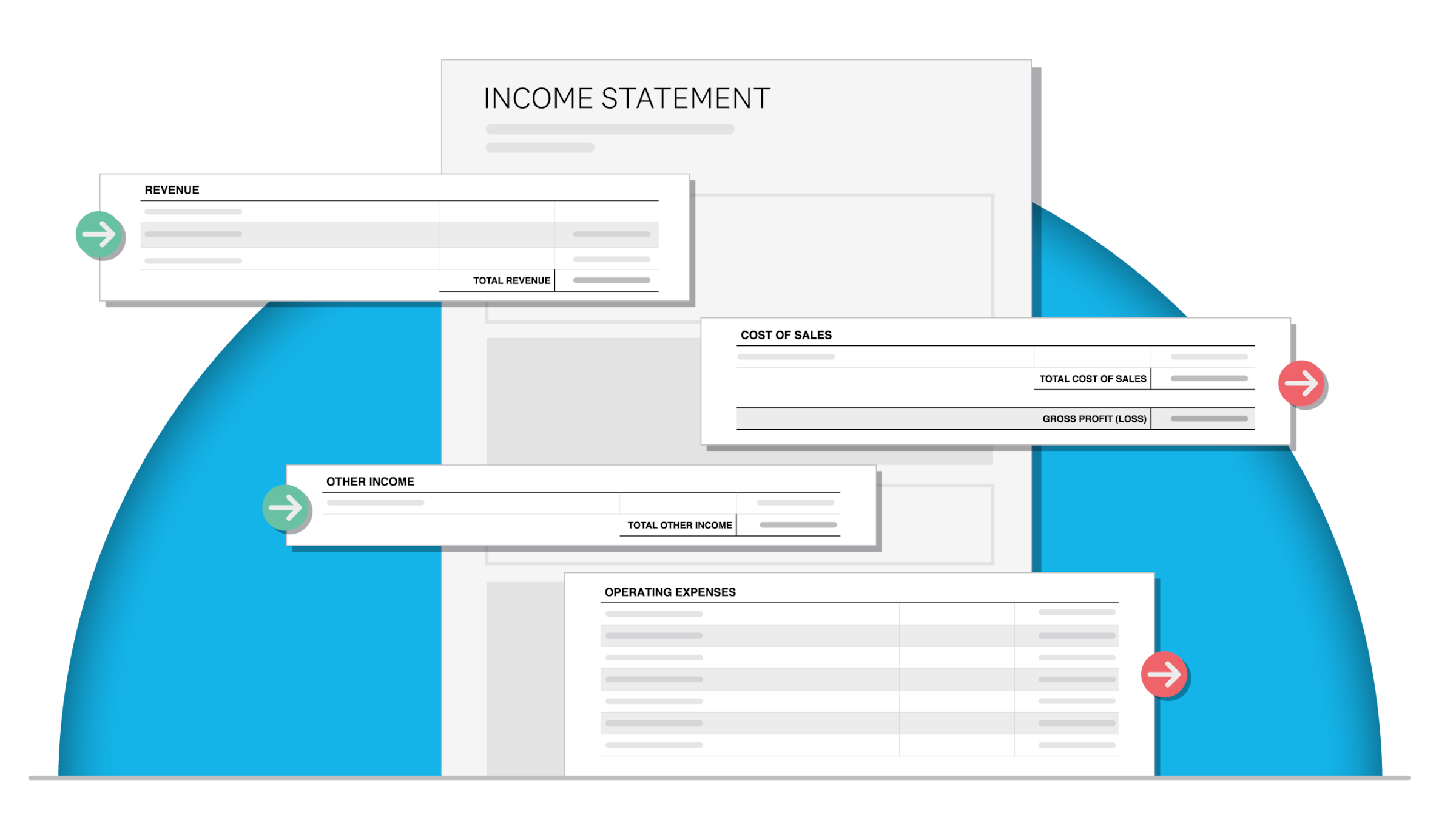
Cost of sales is an expense. It appears on your income statement (profit and loss) and reduces your gross profit. It's not an asset you own or a liability you owe.
How does the cost of sales affect profitability?
Cost of sales directly reduces your profit. If you earn £100,000 in revenue with £90,000 in cost of sales, you're left with just £10,000 gross profit. Lower your cost of sales to widen your margins without raising prices.
How often should I calculate my cost of sales?
Calculate cost of sales at least monthly, or whenever you run financial reports. Businesses with fluctuating costs or tight margins may benefit from weekly tracking. Regular calculation helps you spot rising costs early and adjust pricing or suppliers promptly. Some companies take this to an extreme. For example, Amazon changes its prices every 10 minutes based on real-time data.
What's the difference between direct and indirect costs?
Direct costs are expenses tied directly to producing your product or delivering your service, like materials and production labour. Indirect costs are general business expenses not tied to specific sales, like rent, utilities, and marketing. Only direct costs count towards your cost of sales.
Can I use accounting software to track cost of sales?
Yes. Accounting software like Xero automatically calculates your cost of sales based on your recorded expenses and inventory. This saves time, reduces errors, and gives you real-time visibility into your margins.
Disclaimer
Xero does not provide accounting, tax, business or legal advice. This guide has been provided for information purposes only. You should consult your own professional advisors for advice directly relating to your business or before taking action in relation to any of the content provided.
Start using Xero for free
Access Xero features for 30 days, then decide which plan best suits your business.