Basis of accounting
Learn what the basis of accounting is and how cash and accrual methods change when you record income.
Published Monday 17 August 2026
Table of contents
Key takeaways
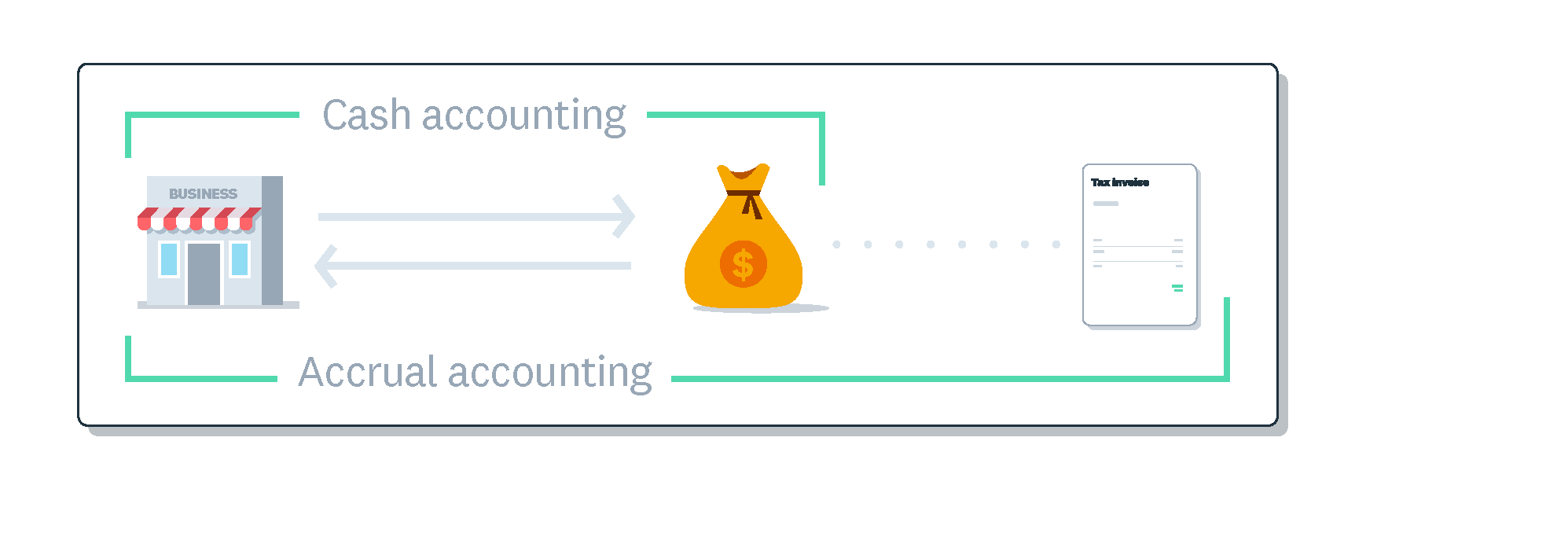
Basis of accounting determines the point at which you recognise transactions.
- The basis of accounting is the rule that determines when you record income and expenses in your books, not how much you record.
- Cash accounting records transactions when money changes hands, giving you a short-term view of liquidity, while accrual accounting records them when they're earned or incurred, showing long-term profitability.
- Accrual accounting is the foundation for standard financial reporting because it matches income with the expenses that generated it.
- Malaysian businesses structured as companies (such as Sdn Bhd) or those seeking funding typically need accrual-basis financial statements, but you should confirm requirements with LHDN or an accountant.
Basis of accounting (definition)
The basis of accounting is the rule that determines when you recognise income and expenses in your financial records. It answers a simple question: when do you count a sale as income, or a purchase as an expense? The two main methods are cash accounting and accrual accounting, and the one you choose affects how your financial position appears at any point in time.
Why your basis of accounting matters
Time often passes between when you earn income and when you receive payment, or between when you incur an expense and when you pay for it. Your basis of accounting decides which moment goes into your books, and this choice has real consequences.
- It affects how you report income to LHDN and calculate your tax obligations.
- Cash accounting shows short-term liquidity, helping you see what money you actually have available right now.
- Accrual accounting shows long-term profitability, giving you a clearer picture of how your business performs over time.
Cash accounting vs accrual accounting
These two methods differ in when transactions hit your books and what financial picture they create. Here's how they compare.
- Cash accounting records income when you receive payment and expenses when you pay them. Accrual accounting records income when you earn it and expenses when you incur them, regardless of when money moves.
- Under cash accounting, you don't track accounts receivable or accounts payable because unpaid invoices aren't in your books yet. Accrual accounting captures these, showing what customers owe you and what you owe suppliers.
- Cash accounting is simpler to maintain, making it suitable for very small or cash-based businesses. Accrual accounting usually relies on double-entry bookkeeping but produces financial statements that lenders and investors expect.
- Cash accounting suits sole proprietors and small service businesses with straightforward transactions. Accrual accounting suits businesses with inventory, credit sales, or growth plans.
A simple example
Suppose you invoice a client RM5,000 in March, and they pay you in April. Under cash accounting, you record the RM5,000 as income in April when the money arrives. Under accrual accounting, you record it in March when you issued the invoice and earned the income. The same transaction appears in different months depending on your basis of accounting.
The matching principle
Accrual accounting follows the matching principle: income is recorded in the same period as the expenses that helped generate it. This pairing gives you a truer picture of profit because costs and revenues align. It's also why accrual accounting is the foundation for standard financial statements, and it shapes how you go about recording accounting transactions for formal reporting.
Which basis should a Malaysian small business use?
The right choice depends on your business structure, size, and goals. Here are some practical guidelines.
- Cash accounting often suits very small, cash-only businesses with simple transactions and no inventory.
- Accrual accounting suits businesses that hold inventory, sell on credit, or plan to seek bank financing or outside investment.
- Companies registered as Sdn Bhd typically need accrual-basis financial statements prepared under Malaysian accounting standards to satisfy statutory requirements.
- If you're unsure which basis applies to your situation, check with LHDN or consult an accountant. There's no single revenue threshold that applies to every business, and requirements can vary.
For a broader look at managing your finances, see this guide on small business accounting.
Hybrid basis of accounting
Some businesses record certain transactions on a cash basis and others on an accrual basis. This hybrid approach can offer flexibility, but it adds complexity and may not be permitted in all situations. If you're considering a hybrid method, work with an accountant to ensure your records stay accurate and compliant.
Manage cash and accrual accounting with Xero
Xero accounting software lets you view your financial data on both a cash and accrual basis, so you can check short-term liquidity and long-term profitability without maintaining two sets of books. Automated bank feeds and straightforward bookkeeping tools help you stay on top of transactions whichever method you use. Ready to try it? You can get one month free and see how Xero works for your business.
FAQs on basis of accounting
Here are answers to common questions about choosing and using an accounting basis.
What is the difference between cash and accrual accounting?
Cash accounting records transactions when money is received or paid. Accrual accounting records them when income is earned or expenses are incurred, even if no cash has changed hands yet.
Which basis is better for a small business?
It depends on your business. Cash accounting is simpler and works well for very small, cash-based operations, while accrual accounting provides a more complete financial picture and is often required for companies or those seeking funding.
Is accrual accounting required in Malaysia?
It depends on your business structure and circumstances. Companies such as Sdn Bhd typically prepare financial statements under accrual-based standards, but you should confirm your requirements with LHDN or an accountant.
Can I switch between cash and accrual accounting?
You may be able to switch, but doing so requires adjustments to your records and may have tax implications. Consult an accountant before making a change to ensure you handle the transition correctly.
What is the hybrid basis of accounting?
The hybrid basis mixes cash and accrual methods for different types of transactions. It offers flexibility but adds complexity and is best managed with professional guidance.
Related terms
Learn more about basis of accounting
Handy resources
Advisor directory
You can search for experts in our advisor directory
How to do bookkeeping
Learn about data entry, bank rec, reporting and tax prep in our guide to doing bookkeeping.
Online accounting with Xero
Automate your accounting in the cloud
Disclaimer
This glossary is for small business owners. The definitions are written with their requirements in mind. More detailed definitions can be found in accounting textbooks or from an accounting professional. Xero does not provide accounting, tax, business or legal advice.