Accrual accounting
Learn how accrual accounting records income and expenses when they happen, and when it suits your business.
Published Friday 24 July 2026
Table of contents
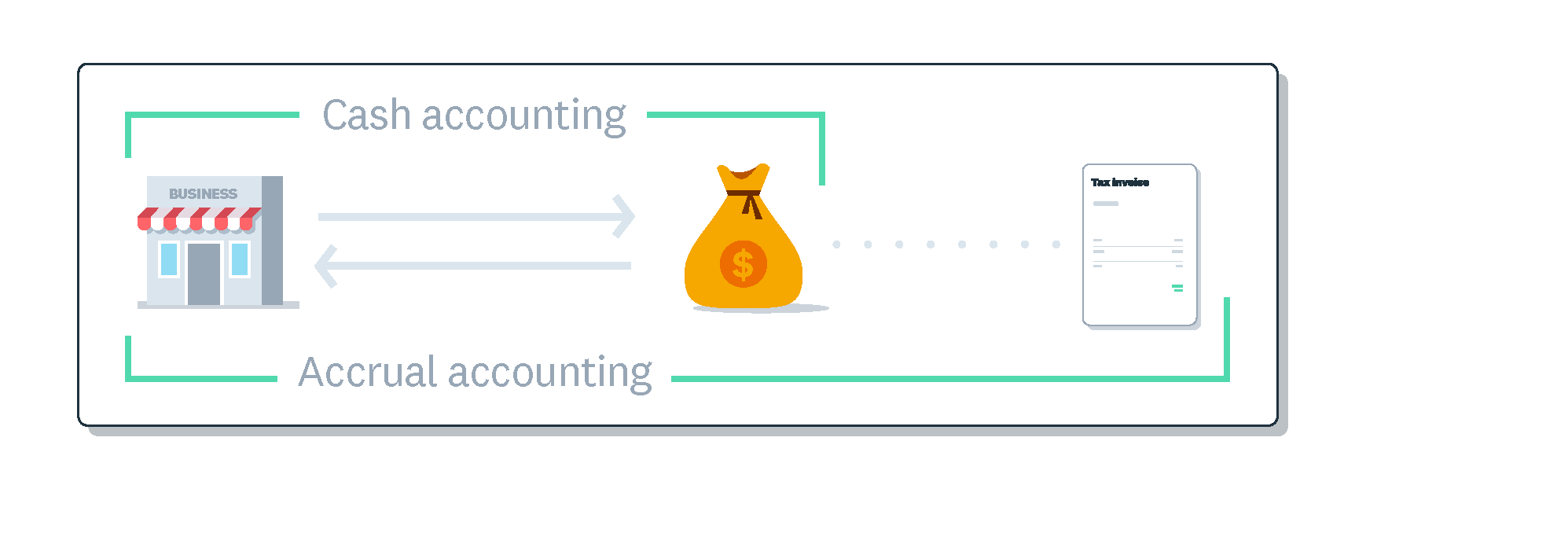
Accrual accounting keeps tabs on bills and sales invoices that are yet to be paid.
Key takeaways
- Accrual accounting records revenue when you earn it and expenses when you incur them, not when cash changes hands.
- It gives you a more accurate long-term picture of your finances than cash accounting, which only tracks money in and out.
- Common accruals include accrued revenue, accrued expenses, deferred revenue and prepaid expenses.
- Growing Malaysian businesses often move to accrual accounting to meet reporting standards and keep clear records for tax.
What is accrual accounting?
Accrual accounting is a method that records revenue when you earn it and expenses when you incur them, even if no cash has moved yet. It looks beyond your bank balance to show what you're owed and what you owe.
This method is also called accrual basis accounting. It tracks sales invoices and bills that are still to be paid, so your books reflect the full financial position of your business at any point in time.
How does accrual accounting work?
Accrual accounting works on the matching principle: you record revenue and the expenses that helped earn it in the same period. This keeps your income and costs lined up, so your profit figure reflects what actually happened.
You record revenue when it's earned, usually when you deliver a product or service and raise an invoice. You record expenses when they're incurred, usually when you receive a bill, even if you pay it later.
Because you often log a sale or cost before the cash arrives, accrual accounting relies on double-entry bookkeeping. It uses accounts such as accounts receivable for money owed to you and accounts payable for money you owe.
Accrual accounting vs cash accounting
The main difference comes down to timing: accrual accounting records transactions when they're earned or incurred, while cash accounting records them only when cash moves. Each method suits different needs.
Here's how the 2 methods compare across the points that matter most to a small business:
- Timing: accrual records income and expenses when they happen; cash records them when money is paid or received
- Accuracy: accrual gives a fuller long-term view; cash shows your immediate cash position
- Complexity: accrual takes more effort to maintain; cash is simpler to run
- Best fit: accrual suits growing businesses with invoices and credit; cash suits smaller, cash-based operations
Many businesses start on cash accounting and switch to accrual as they grow and take on more credit terms with customers and suppliers.
Types of accruals
Accruals are entries that account for money earned or spent before the cash settles. There are 4 common types you'll come across.
- Accrued revenue: income you've earned but not yet invoiced or been paid for
- Accrued expenses: costs you've incurred but not yet paid, such as a supplier bill
- Deferred revenue: money you've received in advance for goods or services you still owe, also called unearned revenue
- Prepaid expenses: costs you've paid in advance for goods or services you'll use later
Tracking these entries keeps your reports accurate, because each one sits in the period it relates to rather than the period the cash moves.
Accrual accounting examples
A couple of short examples show how accrual accounting plays out in everyday business. Both record the transaction when it's earned or incurred, not when cash changes hands.
Say you finish a RM5,000 design project in March and invoice the client, but they pay in April. Under accrual accounting you record the RM5,000 as revenue in March, when you earned it, and log it as accounts receivable until the payment lands.
Now say you receive a RM800 electricity bill in June but pay it in July. You record the RM800 as an expense in June, when you incurred it, and hold it as accounts payable until you settle the bill.
Advantages and disadvantages of accrual accounting
Accrual accounting gives a clearer long-term view, but it asks more of you day to day. Weighing both sides helps you decide if it fits your business.
The main advantages include:
- Shows a more accurate picture of profit by matching income with related costs
- Helps you plan ahead by revealing money owed to and by your business
- Meets the expectations of many investors, lenders and reporting standards
- Supports better decisions with a fuller view of financial performance
The main disadvantages include:
- Takes more time and skill to maintain than cash accounting
- Can hide your immediate cash position, so you still need to watch cash flow
- Often needs accounting software or an adviser to manage well
When should your business use accrual accounting?
Accrual accounting tends to suit businesses that invoice customers, carry stock, or offer and use credit terms. It's also common once a business grows and needs a fuller view of performance.
In Malaysia, companies generally prepare financial statements under the Malaysian Private Entities Reporting Standard (MPERS) or Malaysian Financial Reporting Standards (MFRS), which are built on the accrual basis. Your reporting obligations depend on your company type and size.
Accrual accounting can also help you keep clear, consistent records for the Inland Revenue Board of Malaysia (LHDN). If you're unsure which method or standard applies to you, check with a qualified accountant or the relevant authority.
Simplify your accrual accounting with Xero
Accrual accounting gets much easier when your software tracks invoices, bills and accruals for you. Xero brings your finances together in one place, so you can see what you're owed and what you owe at a glance. Start today and get your books in order, then get one month free on any plan.
FAQs on accrual accounting
Here are answers to some frequently asked questions about accrual accounting to help you decide if it's right for your business.
What is accrual accounting in simple terms?
It's a method that records income when you earn it and expenses when you incur them, rather than when cash moves. This shows what you're owed and what you owe.
What is the difference between accrual and cash accounting?
Accrual accounting records transactions when they happen, while cash accounting records them only when money is paid or received. Accrual gives a fuller long-term view; cash shows your immediate cash position.
What are the types of accruals?
The 4 common types are accrued revenue, accrued expenses, deferred (unearned) revenue and prepaid expenses. Each records money earned or spent before the cash settles.
Is accrual accounting the same as accrual basis accounting?
Yes, the 2 terms mean the same thing. Both describe recording revenue and expenses when they're earned or incurred.
Do small businesses in Malaysia have to use accrual accounting?
It depends on your company type, size and reporting obligations under MPERS or MFRS. Check with a qualified accountant or the relevant authority to confirm what applies to you.
Related terms
Learn more about accrual accounting
Handy resources
Advisor directory
You can search for experts in our advisor directory
How to do bookkeeping
Learn about data entry, bank rec, reporting and tax prep in our guide to doing bookkeeping.
Online accounting with Xero
Automate your accounting in the cloud
Disclaimer
This glossary is for small business owners. The definitions are written with their requirements in mind. More detailed definitions can be found in accounting textbooks or from an accounting professional. Xero does not provide accounting, tax, business or legal advice.