Cash accounting
Learn how cash accounting works, when to use it, and how it compares to accrual accounting.
Published Monday 17 August 2026
Table of contents
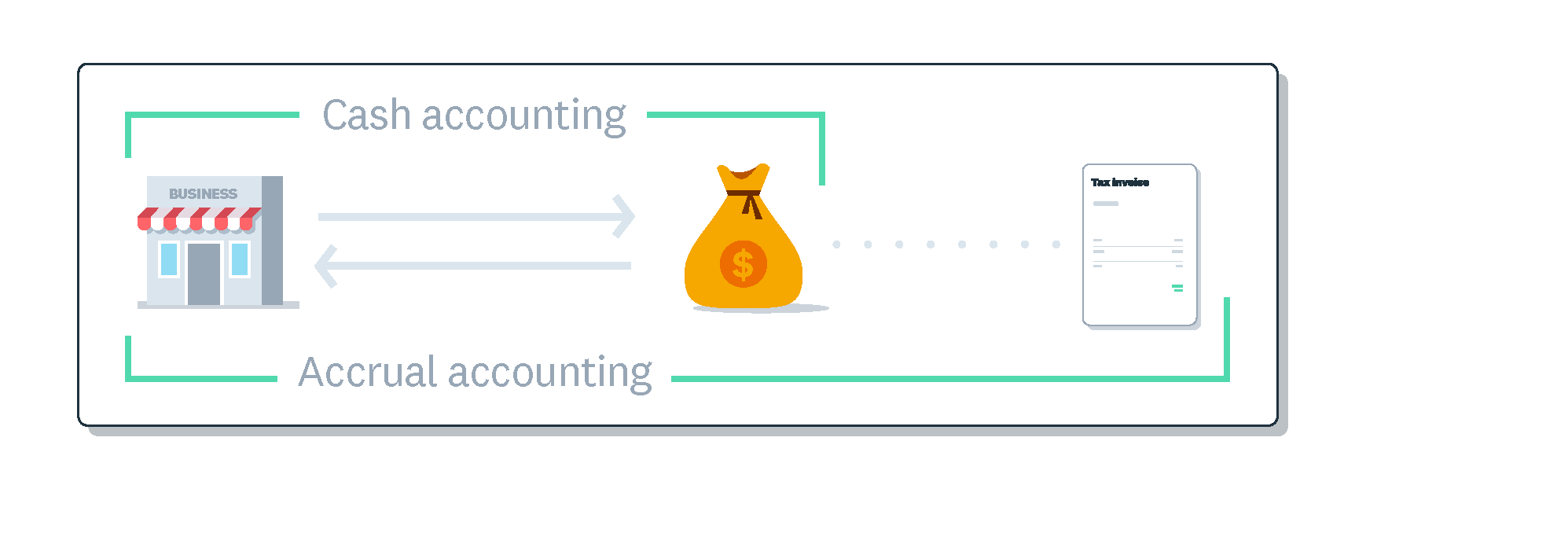
Cash accounting focuses only on money, not bills or invoices.
Key takeaways
- Cash accounting records income when you receive payment and expenses when you pay them, giving you a clear picture of the money you have right now.
- This method suits smaller, simpler businesses but may not show money owed to you or bills you still need to pay.
- Cash accounting is generally easier to maintain than accrual accounting, though some businesses may be required to use accrual for tax purposes.
- Before choosing a method, consider your business size, whether you carry inventory, and your plans for growth or outside investment.
What is cash accounting?
Cash accounting is a method where you record income only when you receive payment and expenses only when you pay them. In other words, transactions appear in your records at the moment money actually changes hands.
The word “cash” here doesn’t mean physical notes and coins alone. Electronic transfers, card payments, and cheques all count. What matters is the timing: the transaction is recorded when the money moves, not when you issue an invoice or receive a bill. This makes cash accounting straightforward for businesses that want to see exactly how much money is available at any point. If you’re new to bookkeeping, cash accounting can be a practical place to start.
How cash accounting works
Understanding cash accounting is easier with a concrete example. Picture a small consulting business that invoices clients for completed work.
Say you send an invoice for IDR 10,000,000 on 15 March. Under cash accounting, you don’t record that income in March. Instead, you wait until the client pays, perhaps on 5 April. The income appears in your April records, not March. The same logic applies to expenses: if you receive a supplier bill on 20 March but pay it on 2 April, the expense lands in April. This approach keeps your books tied to actual bank activity, so you always know what’s in the account. Learning how to record accounting transactions under this method can help you stay organised.
Cash accounting vs accrual accounting
The core difference between cash and accrual accounting is timing. Under accrual accounting, you record income when you earn it (for example, when you send an invoice) and expenses when you incur them (when you receive a bill), regardless of when money moves. For a deeper comparison, see the cash vs accrual accounting guide.
Here’s how the two methods compare on key points:
- Timing of income: cash accounting records it when payment arrives; accrual accounting records it when invoiced.
- Timing of expenses: cash accounting records them when paid; accrual accounting records them when the bill is received.
- Receivables and payables: cash accounting doesn’t track amounts owed or owing; accrual accounting does.
- Complexity: cash accounting is simpler to maintain; accrual accounting requires more detailed record keeping.
- Financial view: cash accounting shows your current cash position; accrual accounting shows a broader picture of financial health, including future obligations.
Pros and cons of cash accounting
Choosing any accounting method involves trade-offs. Cash accounting offers clear advantages, but it also has limitations you should consider before committing.
Benefits of cash accounting:
- Simpler to set up and maintain, with fewer adjustments needed.
- Gives a real-time view of money in the bank.
- Tax is generally calculated only on income you’ve actually received, which can help with cash flow.
- Easier to reconcile with bank statements since records mirror actual transactions.
Drawbacks of cash accounting:
- Provides only a short-term snapshot, not the full financial picture.
- Doesn’t show money customers owe you or bills you still need to pay.
- Can make the business look healthier than it is if large bills are pending.
- May be less suitable when applying for loans or attracting investors who want comprehensive financial statements.
Who uses cash accounting?
Cash accounting tends to suit businesses with straightforward finances and limited complexity. Understanding your cash flow is often the priority for these businesses.
Businesses that commonly use cash accounting include sole traders, freelancers, and service-based businesses without inventory. These businesses often have predictable income and expenses and don’t need to track receivables closely. Some businesses may be required to use accrual accounting for tax purposes, particularly those holding inventory or exceeding certain revenue thresholds. Tax rules vary by jurisdiction, so it’s best to check with your local tax office or speak with an accountant to confirm which method applies to you.
How to choose between cash and accrual accounting
The right method depends on your business circumstances and goals. A solid grasp of double-entry bookkeeping can help you implement whichever method you choose.
Consider these factors when deciding:
- Business complexity: simpler businesses with few transactions may find cash accounting sufficient.
- Inventory: if you buy and sell goods, accrual accounting often provides a clearer picture of profitability.
- Financing needs: lenders and investors typically prefer accrual-based financial statements.
- Growth plans: if you expect the business to expand significantly, switching to accrual early can save effort later.
- Tax requirements: confirm with a tax professional whether you’re permitted to use cash accounting in your jurisdiction.
Manage your cash flow with confidence using Xero
Keeping track of when money comes in and goes out is at the heart of running a healthy business. Xero’s accounting software helps you stay on top of your finances with real-time bank feeds, simple invoicing, and clear reports. To see how it works for your business, get one month free.
FAQs on cash accounting
Here are answers to common questions about cash accounting and how it applies to your business.
What is the difference between cash and accrual accounting?
Cash accounting records transactions when money changes hands, while accrual accounting records them when they’re earned or incurred. This timing difference affects how your financial reports reflect income, expenses, and overall business health.
Is cash accounting suitable for small businesses?
Cash accounting often works well for smaller businesses with straightforward finances, especially service providers without inventory. It offers simplicity and a clear view of available funds, though it may not capture future obligations.
Can you switch between cash and accrual accounting?
Switching is possible, but it requires careful adjustments to avoid double-counting income or expenses. Some tax authorities have specific rules about when and how you can change methods, so consult an accountant before making the switch.
Does “cash accounting” mean only physical cash?
No. “Cash” in this context refers to all forms of payment, including bank transfers, card payments, and cheques. The key factor is that the transaction is recorded when payment is made or received, not the form it takes.
Is cash accounting allowed for tax?
Many jurisdictions allow small businesses to use cash accounting for tax, but rules vary. Some businesses, particularly those with inventory or above certain revenue thresholds, may be required to use accrual accounting. Check with your local tax authority or an advisor for guidance specific to your situation.
Related terms
Learn more about cash accounting
Handy resources
Advisor directory
You can search for experts in our advisor directory
How to do bookkeeping
Learn about data entry, bank rec, reporting and tax prep in our guide to doing bookkeeping.
Online accounting with Xero
Automate your accounting in the cloud
Disclaimer
This glossary is for small business owners. The definitions are written with their requirements in mind. More detailed definitions can be found in accounting textbooks or from an accounting professional. Xero does not provide accounting, tax, business or legal advice.