Basis of accounting
The basis of accounting determines when you record income and expenses in your books.
Published Wednesday 5 August 2026
Table of contents
Key takeaways
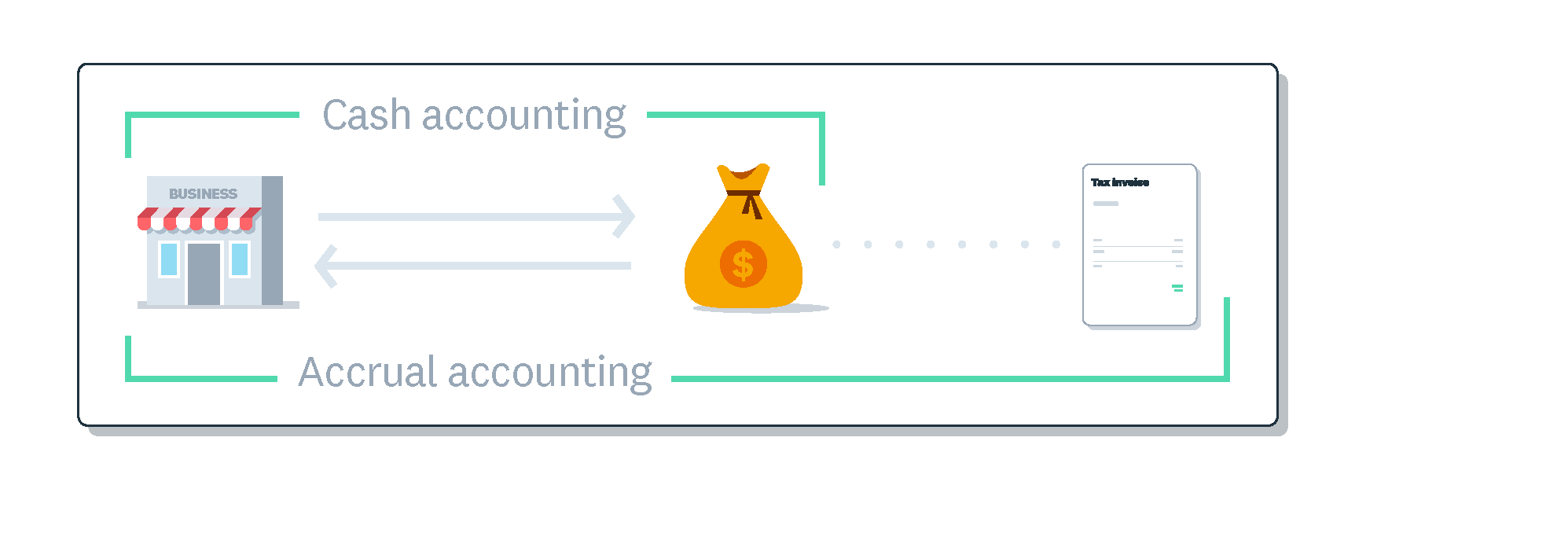
Basis of accounting determines the point at which you recognise transactions.
- The basis of accounting determines when you record income and expenses in your books, affecting how you understand cash flow and profitability.
- Cash basis accounting records transactions when money changes hands, while accrual basis records them when they are earned or incurred.
- Growing businesses, those with stock or credit sales, and those seeking finance typically benefit from accrual accounting.
- SARS may require certain businesses to use a specific basis, so check your obligations with a tax professional.
What is the basis of accounting?
The basis of accounting is the rule that decides when you record a sale as income or a purchase as an expense in your financial records. The two main bases are cash and accrual, though a hybrid (modified) option also exists.
Choosing the right basis affects how you track your finances, report to SARS, and understand your business performance. Your choice shapes the timing of reported income and expenses, which in turn influences tax calculations and financial planning. Good bookkeeping practices start with understanding this foundational decision.
What is cash basis accounting?
Cash basis accounting records income when you receive payment and expenses when you pay them. It focuses on actual cash moving in and out of your business.
For example, if you complete a job in June but the customer pays in July, you record the income in July. Likewise, if you receive an invoice in June but pay it in August, the expense appears in August.
This method suits simple businesses with straightforward transactions. It gives you a clear view of your actual cash position at any time, making it easier to see whether you have enough money to cover upcoming costs. Understanding your cash position is key to managing your finances and cash flow effectively.
What is accrual basis accounting?
Accrual basis accounting records income when you raise an invoice and expenses when you receive a bill, regardless of when payment occurs. This method matches revenue with the expenses incurred to generate it, following the matching principle used in formal financial reporting.
For instance, if you invoice a customer in June and they pay in July, you record the income in June. If you receive a supplier bill in June but pay in August, the expense still appears in June.
Under accrual accounting, you track accounts receivable (money owed to you) and accounts payable (money you owe). This gives a fuller picture of profitability over a period, even if cash has not yet changed hands. You can learn more about how to record accounting transactions to keep your books accurate.
Cash vs accrual accounting: the key differences
Both methods are valid, but they show your finances from different angles. Here are the main distinctions:
- Timing of income: cash basis records income when payment is received; accrual records income when an invoice is issued
- Timing of expenses: cash basis records expenses when paid; accrual records them when billed
- Simplicity: cash basis is simpler to maintain and easier to understand for non-accountants
- Cash-flow visibility: cash basis shows your real-time cash position; accrual may not reflect money actually available
- Profitability picture: accrual accounting shows a more accurate view of profit over time by matching income with related costs
- Tax timing: the basis you use can affect when income becomes taxable and when expenses are deductible
The modified (hybrid) basis of accounting
The modified basis of accounting blends elements of both cash and accrual. A business might use cash basis for most transactions but apply accrual rules for specific items like stock or large equipment purchases.
While this offers flexibility, it can be legally complex to implement correctly. The hybrid basis is not compliant with Generally Accepted Accounting Principles (GAAP) or the IFRS accrual requirement. If you are considering this approach, set it up with help from an accountant or tax professional to avoid compliance issues.
Which basis of accounting should your business use?
Your ideal basis depends on your business size, structure, and plans. Sole traders and very small service businesses with no stock often prefer cash basis for its simplicity and clear cash-flow view.
Growing businesses, those holding inventory, or those selling on credit typically lean towards accrual. Lenders and investors also prefer accrual-based financial statements because they show a more complete picture of performance. For a detailed comparison, see our guide on cash vs accrual accounting.
SARS may require certain businesses to use accrual accounting (South African companies reporting under IFRS must follow the accrual basis), so check your obligations. For VAT purposes, South African businesses generally account on the invoice basis, though a payments basis may be available to some smaller vendors. Confirm your specific requirements with SARS or a registered accountant before making a final decision.
Keep accurate books whichever basis you choose, with Xero
Whether you use cash or accrual accounting, Xero helps you stay on top of your finances. Xero Accounting Software supports both reporting methods, letting you switch views to see your cash position or accrual-based profit without maintaining two sets of books.
With automated bank feeds, invoicing, and real-time reports, you can spend less time on admin and more time running your business. Ready to simplify your bookkeeping? You can get one month free and see how Xero fits your needs.
FAQs on basis of accounting
Here are answers to common questions about choosing and using a basis of accounting.
How do I know which basis of accounting I'm using?
Check when you record income in your books. If you record it when a customer pays, you are using cash basis. If you record it when you issue the invoice, you are using accrual basis.
Does SARS require a specific basis of accounting?
SARS may require certain businesses to use accrual accounting, particularly larger entities or those in specific industries. Confirm your obligations with SARS or a tax professional.
Can I switch from cash to accrual accounting?
Yes, you can switch, but it requires adjustments to your records to avoid counting income or expenses twice (or missing them entirely). Work with an accountant to ensure a smooth transition.
Which basis do lenders and investors prefer?
Lenders and investors generally prefer accrual-based financial statements. This method provides a clearer view of profitability and outstanding obligations, which helps them assess your business health.
Is the accrual basis the same as GAAP or IFRS?
Accrual accounting is a core principle of both GAAP and IFRS, but these international accounting standards include additional rules beyond just the basis of accounting. Using accrual basis is a starting point, not full compliance with these standards.
Related terms
Learn more about basis of accounting
Handy resources
Advisor directory
You can search for experts in our advisor directory
How to do bookkeeping
Learn about data entry, bank rec, reporting and tax prep in our guide to doing bookkeeping.
Online accounting with Xero
Automate your accounting in the cloud
Disclaimer
This glossary is for small business owners. The definitions are written with their requirements in mind. More detailed definitions can be found in accounting textbooks or from an accounting professional. Xero does not provide accounting, tax, business or legal advice.