Cash accounting
Learn what cash accounting is, how it works, and how it compares to accrual accounting.
Published Monday 17 August 2026
Table of contents
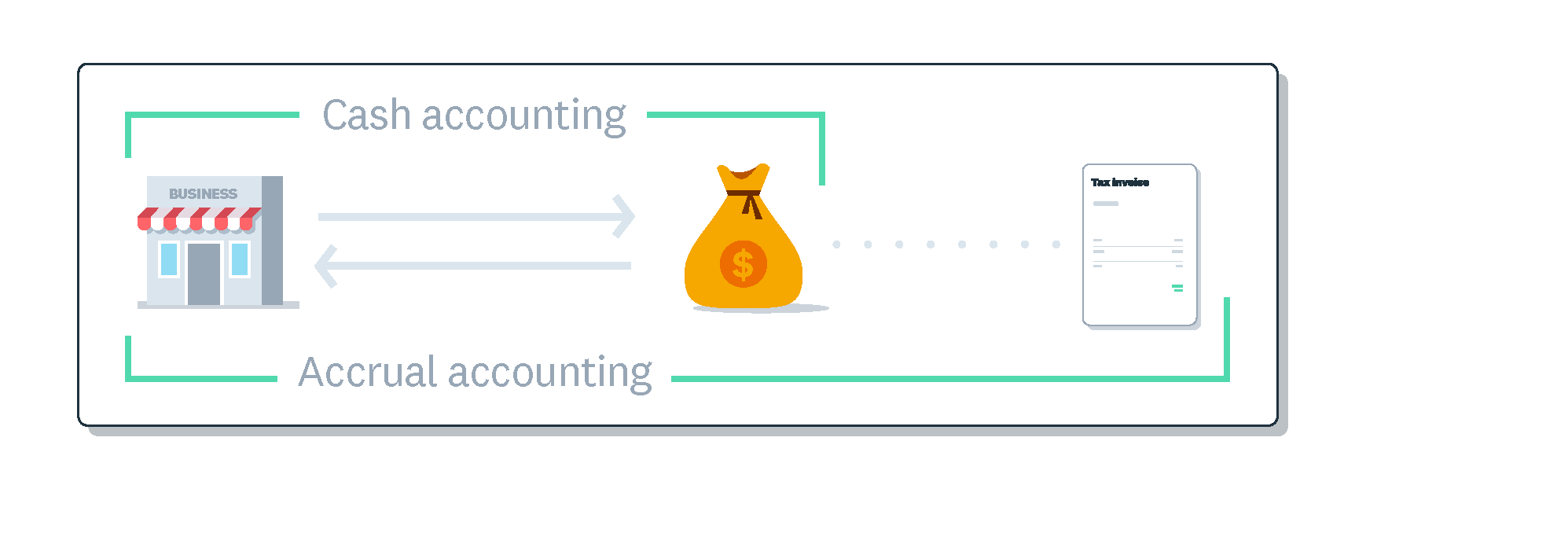
Cash accounting focuses only on money, not bills or invoices.
Key takeaways
- Cash accounting records income when you receive payment and expenses when you pay them, giving you a clear picture of the money actually in your account.
- Philippine tax law (NIRC Sections 43 to 45) recognises both cash and accrual accounting methods for reporting taxable income.
- This method suits sole proprietors, freelancers and small service businesses that operate without inventory and prefer straightforward bookkeeping.
- While cash accounting is simpler, it doesn't show money owed to you or money you owe, which can limit visibility as your business grows.
What is cash accounting?
Cash accounting, also called cash basis accounting, records income when you receive payment and records expenses when you pay them. It doesn't account for unpaid invoices or outstanding bills until money actually changes hands.
This method focuses on real cash movement rather than future commitments. If a customer hasn't paid you yet, that amount doesn't appear as income. If you haven't paid a supplier yet, that cost doesn't appear as an expense. You can learn more about the fundamentals of recording accounting transactions to understand how different methods capture financial activity.
How cash accounting works
With cash accounting, your books reflect only completed transactions. When a customer pays your invoice, you record the income on that date. When you pay a bill, you record the expense on the payment date.
The defining features of cash accounting include:
- recording income only when payment is received
- recording expenses only when payment is made
- ignoring accounts receivable and accounts payable until settled
- showing the actual cash on hand at any given time
This approach keeps your records aligned with your bank balance, making it easier to see how much money you have available to spend. For a deeper look at tracking money owed to your business, see this guide on what accounts receivable is.
Cash accounting example
Consider a freelance graphic designer based in Manila. In March, she completes a logo project and issues an invoice for ₱20,000. Her client pays the invoice in April.
Under cash accounting, she records the ₱20,000 as income in April, when the payment arrives. The March invoice doesn't affect her books until the money is in her account. If she pays ₱3,500 for design software in April, that expense is also recorded in April.
Her April records would show ₱20,000 in income and ₱3,500 in expenses, reflecting only the transactions where money moved.
Pros and cons of cash accounting
Cash accounting offers advantages for businesses that want simplicity and clarity around their available funds.
Benefits include:
- straightforward to set up and maintain
- gives an accurate view of cash on hand
- tax is calculated on money actually received, not amounts owed
- requires less accounting expertise to manage
Limitations include:
- doesn't show money owed to you by customers
- doesn't show bills you owe to suppliers
- can misrepresent financial health in the short term
- may not satisfy lenders, investors or partners who need a fuller picture
- less suited to businesses with inventory or complex operations
Understanding these trade-offs helps you decide whether this method fits your business. For practical guidance on tracking your money, explore managing cash flow.
Cash accounting vs accrual accounting
The main difference between cash and accrual accounting is timing. Cash accounting records transactions when money moves. Accrual accounting records them when the transaction occurs, regardless of when payment happens. You can compare these approaches in more detail with this guide to cash vs accrual accounting.
Cash accounting:
- records income when payment is received
- records expenses when payment is made
- reflects actual cash position
- simpler to manage for small operations
Accrual accounting:
- records income when earned, even if unpaid
- records expenses when incurred, even if unpaid
- provides a broader view of financial commitments
- required for larger businesses and those following PFRS or GAAP
Who should use cash accounting
Cash accounting works well for sole proprietors, freelancers, consultants and small service businesses that don't hold inventory. If your business operates on a simple model with payments received close to when work is completed, this method keeps your records manageable.
Businesses that carry inventory, extend credit to customers, or plan to seek investment often benefit from accrual accounting. As operations grow more complex, accrual provides the visibility that stakeholders and lenders expect. For tips on keeping your records organised at any stage, see this guide on small business bookkeeping.
Cash accounting and tax in the Philippines
Philippine tax law, specifically the National Internal Revenue Code (NIRC) Sections 43 to 45, recognises both the cash method and the accrual method of accounting for computing taxable income. Under Section 43, your taxable income is computed based on the method of accounting you regularly employ, provided it clearly reflects your income. If the Commissioner of Internal Revenue determines that your method does not clearly reflect income, the Commissioner may require you to use a different method.
You should apply your chosen method consistently and note it when you register with the Bureau of Internal Revenue (BIR). If you are considering changing your accounting method, it is best to consult a qualified accountant or the BIR before making the change.
This information is general in nature and is not intended as tax advice. You should consult a qualified tax professional for guidance specific to your situation.
Simplify cash accounting with Xero
Tracking income and expenses under cash accounting becomes easier when your records update automatically. Xero connects to your bank, categorises transactions and gives you a clear view of your cash position in real time. Whether you're a freelancer or running a small service business, you can keep your books organised without spending hours on manual entry. Try Xero today and get one month free.
FAQs on cash accounting
Here are answers to common questions about cash accounting in the Philippines.
Is cash accounting allowed in the Philippines?
Yes, Philippine tax law (NIRC Sections 43 to 45) permits both cash and accrual methods of accounting, as long as your chosen method clearly reflects your income and you apply it consistently.
What is the difference between cash and accrual accounting?
Cash accounting records transactions when money is received or paid. Accrual accounting records them when the sale is made or the expense is incurred, even if payment comes later.
Who should use cash accounting?
Sole proprietors, freelancers and small service businesses without inventory typically benefit most. If your transactions are straightforward and you want a clear view of available cash, this method suits your needs.
Can I switch from cash accounting to accrual accounting?
You can change your accounting method, but you should apply a method consistently and be able to show it clearly reflects your income. It is best to consult an accountant or the BIR before making the change.
Does cash accounting follow PFRS or GAAP standards?
Cash accounting is generally not compliant with Philippine Financial Reporting Standards (PFRS) or Generally Accepted Accounting Principles (GAAP), because those standards require the accrual basis of accounting. Larger, publicly listed or audited entities therefore use accrual accounting, while very small or micro-entities may use simpler frameworks.
Related terms
Learn more about cash accounting
Handy resources
Advisor directory
You can search for experts in our advisor directory
How to do bookkeeping
Learn about data entry, bank rec, reporting and tax prep in our guide to doing bookkeeping.
Online accounting with Xero
Automate your accounting in the cloud
Disclaimer
This glossary is for small business owners. The definitions are written with their requirements in mind. More detailed definitions can be found in accounting textbooks or from an accounting professional. Xero does not provide accounting, tax, business or legal advice.