Cash accounting
Learn what cash accounting is, how it compares to accrual, and when to use it for your Irish business.
Published Monday 17 August 2026
Table of contents
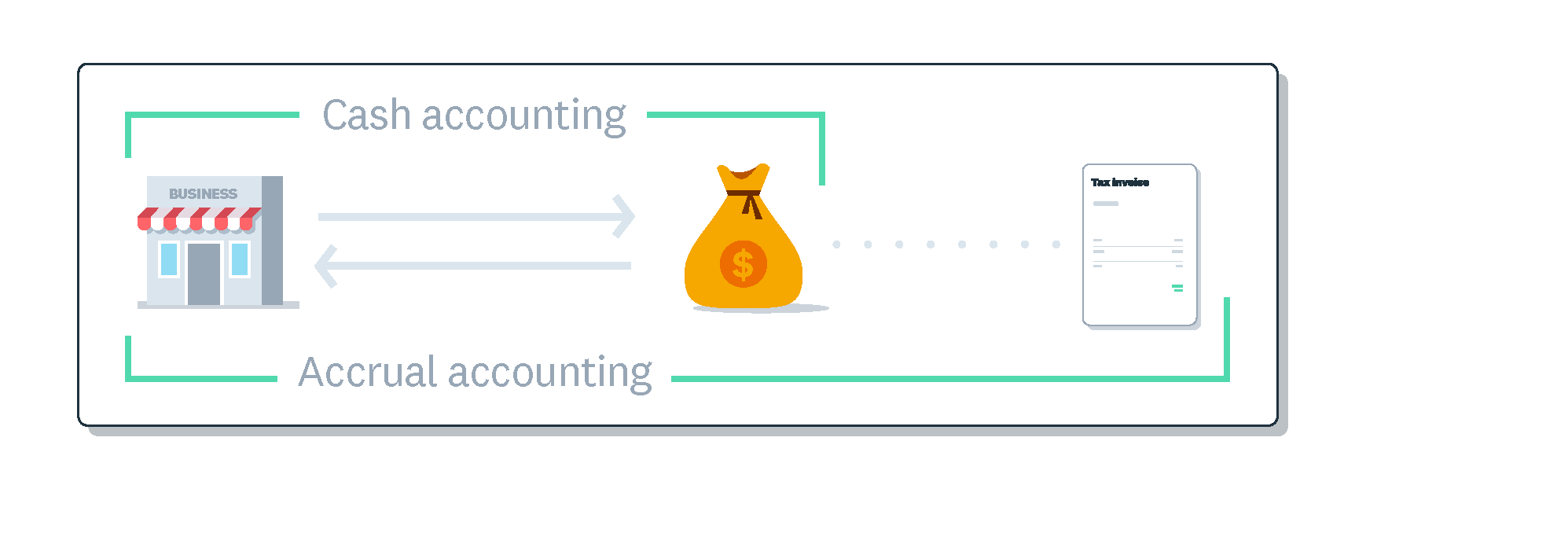
Cash accounting focuses only on money, not bills or invoices.
Key takeaways
- Cash accounting records income and expenses only when money actually changes hands, not when you issue or receive an invoice.
- Under cash accounting, a sale counts in the month payment arrives; under accrual accounting, it counts when you invoice.
- In Ireland, the Revenue "moneys received basis" lets eligible businesses account for VAT when customers pay rather than when invoices are issued.
- Cash accounting is simpler to manage but gives a short-term view of finances because it ignores money owed to you or bills you have yet to pay.
What is cash accounting?
Cash accounting is a method that records income when you receive payment and expenses when you pay them. It does not matter when you send an invoice or when a bill arrives; the transaction only appears in your books once money moves in or out of your account.
The word "cash" here does not mean physical notes and coins. It covers any form of payment, including bank transfers, card payments, and cheques.
Cash accounting vs accrual accounting
Accrual accounting records income when you earn it and expenses when you incur them, regardless of when money changes hands. This approach matches revenue with the costs that generated it, giving a broader picture of financial performance over time. For a deeper comparison, see cash vs accrual accounting explained.
Here is how the two methods differ in practice:
- A freelancer sends a €2,000 invoice in March and receives payment in April.
- Under cash accounting, the €2,000 income is recorded in April when the money arrives.
- Under accrual accounting, the €2,000 income is recorded in March when the invoice is issued.
The method you choose affects when income and expenses appear in your reports, which in turn shapes your view of profit at any given time.
Advantages of cash accounting
Cash accounting suits many small businesses because it keeps bookkeeping straightforward and closely tied to real bank balances.
- Simpler to understand and maintain, with less paperwork than accrual accounting.
- Lower cost to run because you may not need specialist software or accountant time.
- Clear view of the cash you have on hand right now, which helps with cash flow forecasting.
- VAT cash-flow benefit: if you use the moneys received basis in Ireland, you account for VAT when your customer pays, not when you invoice.
Disadvantages of cash accounting
While cash accounting is simpler, it has limitations that can affect decision-making and how others view your business.
- Gives an incomplete financial picture because it ignores money customers owe you (accounts receivable) and bills you have yet to pay (accounts payable). For guidance on tracking these, see how to record accounting transactions.
- Can distort individual months if large payments arrive late or several bills fall due at once.
- May not satisfy lenders or investors, who often prefer accrual-based accounts when assessing a business.
- Does not match revenue with the costs that generated it, making it harder to measure profitability on specific projects.
Cash accounting and VAT in Ireland
In Ireland, what is commonly called "cash accounting for VAT" is officially known as the moneys received basis (sometimes called the receipts basis or cash basis). The default is the invoice basis, where VAT becomes due when you issue an invoice, even if your customer has not yet paid.
Under the moneys received basis, you account for VAT only when your customer actually pays. This can improve cash flow because you do not hand over VAT to Revenue before you have the money in your account.
A business can opt for the moneys received basis if its annual turnover does not exceed €2,000,000 in any continuous 12-month period, or if at least 90% of its supplies are made to customers who are not registered for VAT or are not entitled to a full VAT deduction. For full eligibility rules, see Revenue's rules on the moneys received basis.
Who should use cash accounting?
Cash accounting tends to work well for businesses with simple finances and quick payment cycles.
- Sole traders and freelancers with straightforward income and expenses.
- Small service businesses that do not hold inventory.
- Businesses paid immediately at the point of sale, such as retail shops or market stalls.
- New or side businesses looking to keep administration as simple as possible.
Not every business may use cash accounting for tax purposes. Check eligibility with Revenue or your accountant before deciding.
Manage cash accounting with Xero
Xero helps you track income and expenses on a cash basis with automatic bank feeds and easy-to-read reports. You can see exactly what has come in and gone out, giving you a clear, up-to-date view of your bank balance and cash position.
Ready to simplify your bookkeeping? You can get one month free and see how Xero fits your business.
FAQs on cash accounting
Here are answers to common questions about cash accounting for small businesses in Ireland.
Is cash accounting the same as the cash basis?
Yes, the terms are often used interchangeably. Both refer to the method that records transactions when money changes hands rather than when invoices are raised.
Can I use cash accounting for VAT in Ireland?
You can apply to use the moneys received basis if you meet Revenue's turnover or customer criteria. Once approved, you account for VAT when customers pay, not when you invoice.
Can I switch from cash to accrual accounting?
Yes, you can change methods, but you will need to adjust your records to avoid counting income or expenses twice. It is best to switch at the start of a new financial year and consult an accountant.
Does cash accounting work with accounting software?
Most accounting software supports cash-basis reporting. You enter transactions as normal, and the software lets you run reports based on when money moved rather than when invoices were created.
Related terms
Learn more about cash accounting
Handy resources
Advisor directory
You can search for experts in our advisor directory
How to do bookkeeping
Learn about data entry, bank rec, reporting and tax prep in our guide to doing bookkeeping.
Online accounting with Xero
Automate your accounting in the cloud
Disclaimer
This glossary is for small business owners. The definitions are written with their requirements in mind. More detailed definitions can be found in accounting textbooks or from an accounting professional. Xero does not provide accounting, tax, business or legal advice.