Petty cash: how it works, examples and how to manage it
Learn how to manage petty cash, reduce admin, and keep receipts tidy.

Written by Jotika Teli—Certified Public Accountant with 24 years of experience. Read Jotika's full bio
Published Thursday 2 April 2026
Table of contents
Key takeaways
- Establish a petty cash fund with €100-€500 to cover small business expenses like office supplies, postage, and refreshments, and assign one person as the custodian to manage the fund and collect receipts.
- Require receipts for every transaction and set spending limits of €50-€100 per purchase to maintain clear audit trails and prevent misuse of funds.
- Reconcile your petty cash fund at least weekly by checking that receipts plus remaining cash equal your starting balance to catch errors or discrepancies quickly.
- Record petty cash as an asset on your balance sheet while tracking individual purchases as expenses in the appropriate accounts, using a petty cash book or spreadsheet to maintain accurate records.
What is petty cash?
Petty cash is a small reserve of cash that businesses keep on hand to pay for minor, unexpected expenses. It provides quick access to funds for small purchases without needing to process a cheque or card payment.
Typical petty cash expenses include office supplies, postage, refreshments for meetings, and small emergency purchases. Most businesses keep between €100–€1,000 in their petty cash fund, depending on their size and how often they need it.
Petty cash vs cash on hand
Petty cash refers specifically to a designated fund for small business expenses, with its own tracking system and custodian. Cash on hand is a broader accounting term, defined within frameworks like the IAS 7 Cash Flow Statements, that includes all cash a business has available, including petty cash, cash registers, and any other physical currency.
What are petty cash examples?
Petty cash covers small, everyday business expenses that aren't worth processing through your main accounts. Here are common examples:
- Office supplies: Pens, paper, printer ink, and stationery
- Staff recognition: Birthday cards, flowers, or small gifts for employees
- Postage and delivery: Stamps, courier fees, and small shipping costs
- Refreshments: Tea, coffee, milk, and snacks for the staff kitchen
- Minor repairs: Replacement light bulbs, batteries, or small tools
- Travel expenses: Parking fees, tolls, and public transport fares
- Emergency supplies: First aid items, cleaning products, or urgent replacements
How does petty cash work?
Petty cash works through a simple cycle: set aside funds, reimburse expenses, collect receipts, and top up when needed. Here's how the process flows.
Setting aside funds: Most businesses keep between €100–€1,000 in petty cash, depending on their size and needs. When you create your fund, record a debit to your petty cash account and a credit to your bank account.
Reimbursing expenses: When employees incur small expenses, they bring a receipt to you or your designated petty cash custodian. The custodian keeps the receipt, notes the expense in a petty cash book, and reimburses the employee. Alternatively, give employees cash upfront and collect the receipt when they return.
Topping up the fund: When cash runs low, the custodian checks that all receipts and the petty cash book balance. The bookkeeper or accounting team then provides more cash from the bank and updates the general ledger.
For smaller businesses: If you're a one-person operation or have just a few employees, you'll handle all these steps yourself: handing out cash, collecting receipts, tracking expenses, and updating your records.
How to set up a petty cash fund
Setting up a petty cash fund gives your team quick access to cash for small expenses while keeping your records organised. Follow these steps to get started.
- Decide how much cash you need: Review your typical small expenses over a month. Most small businesses start with €100–€500.
- Choose a petty cash custodian: Assign one person to manage the fund, hand out cash, and collect receipts.
- Create your initial accounting entry: Record a debit to your petty cash account and a credit to your bank account when you withdraw the funds.
- Establish petty cash policies: Set spending limits per transaction, define what expenses qualify, and require receipts for all purchases.
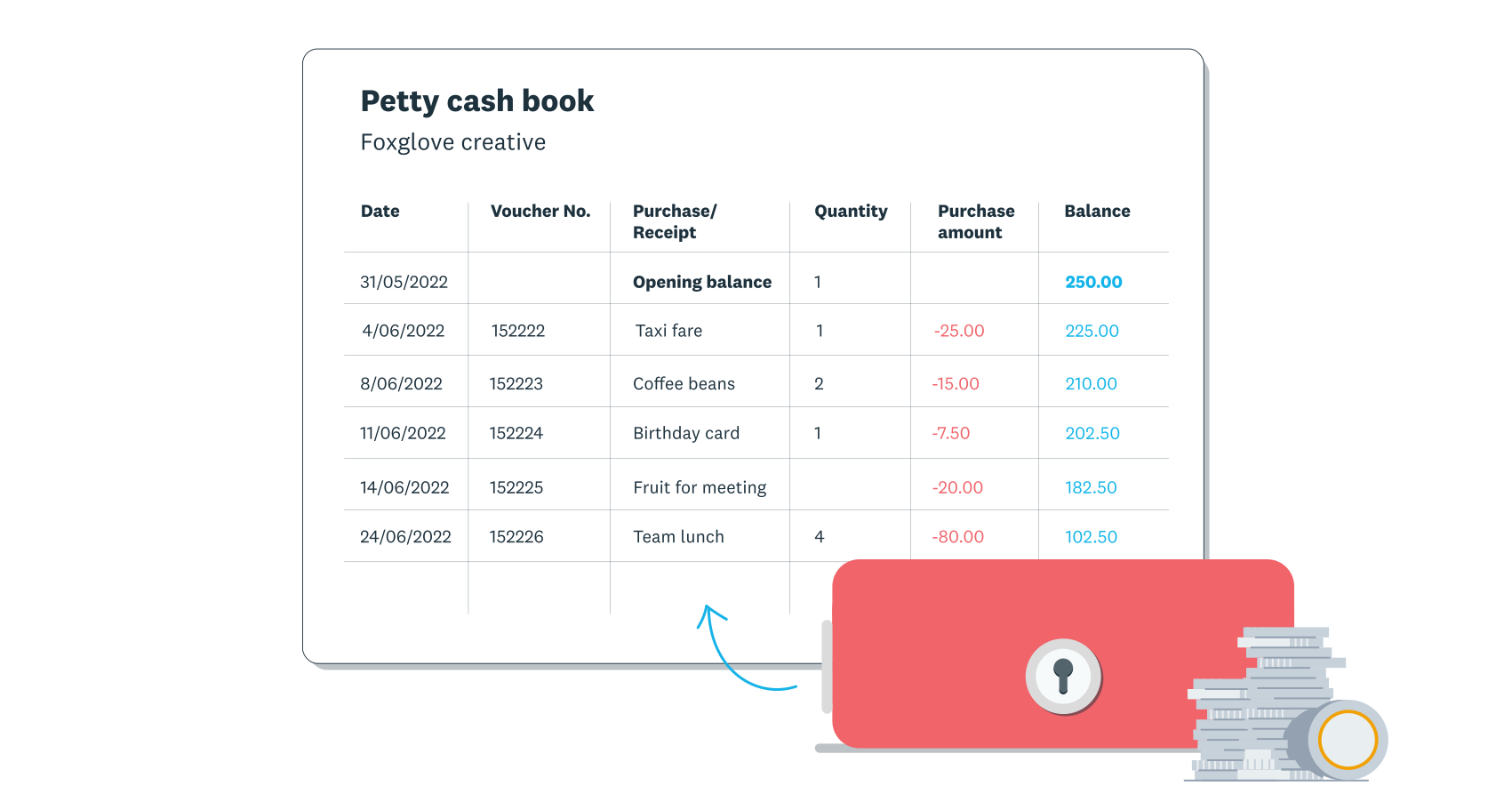
- Set up your tracking system: Create a petty cash book or spreadsheet to record every transaction and maintain a running balance.
Once you've set up your fund, you'll need to decide on the right amount to keep on hand.
How much petty cash should you keep?
The right amount depends on your business size and how often you have small expenses. Most small businesses keep between €100–€500 on hand. Review your spending patterns monthly and adjust if you're topping up too frequently or holding excess cash.
How to record petty cash
Recording petty cash involves three key documents: vouchers, a petty cash book, and general ledger entries. The process is straightforward, and using Xero accounting software makes it even easier.
- Petty cash voucher: Record the expense, its business purpose, and the employee's name if you're reimbursing them. Attach a receipt when possible.
- Petty cash book or spreadsheet: Track your fund's running balance by recording all expenses paid and any cash added to the fund.
- General ledger entry: Record expenses as credits to petty cash and debits to the appropriate expense accounts. For example, €20 spent on pencils means credit petty cash €20 and debit office supplies €20.
Understanding how petty cash fits into your accounts is important for accurate bookkeeping.
Is petty cash an asset or expense?
Petty cash is an asset on your balance sheet because it represents money your business owns. However, the purchases made from petty cash, such as office supplies or postage, are recorded as expenses. When you spend €20 from petty cash on stationery, you reduce the petty cash asset and increase your office supplies expense.
Here's how to structure your tracking documents.
Example of petty cash book or spreadsheet format
A petty cash book tracks every transaction in your fund. Use this format:
Best practices for managing petty cash
Managing petty cash well is key to controlling risk and protecting your business from errors, theft, and compliance issues.
- Require receipts for every transaction: No receipt means no reimbursement. This creates a clear audit trail.
- Set spending limits per transaction: Cap individual purchases at €50–€100 to prevent misuse.
- Keep petty cash in a secure location: Use a locked drawer or cash box that only the custodian can access.
- Reconcile your fund regularly: Check that receipts plus remaining cash equal your starting balance at least weekly.
- Limit access to one custodian: Assign a single person to manage the fund so accountability is clear.
- Document your petty cash policy: Write down the rules so everyone knows what qualifies and what doesn't.
- Review and audit periodically: Conduct surprise counts and review expenses monthly to catch issues early.
FAQs on petty cash
Find answers to common questions about managing petty cash.
How often should I reconcile my petty cash fund?
Reconcile your petty cash at least weekly, or each time you top up the fund. More frequent reconciliation makes it easier to spot errors or discrepancies quickly.
What should I do if my petty cash doesn't balance?
Review all receipts and entries in your petty cash book to find the discrepancy. If you can't locate the error, record the difference as a cash shortage or overage in your accounts.
Can I use petty cash for any business expense?
Petty cash is best for small, routine expenses under €50–€100. Larger purchases should go through your standard accounts payable process for better tracking and control.
Do I need petty cash if I'm a very small business?
Not necessarily. If you rarely have small cash expenses, a business debit card or expense reimbursement system may be simpler. Petty cash works best when you regularly need quick access to small amounts of cash.
What's the best way to secure my petty cash?
Keep petty cash in a locked drawer or cash box, and limit access to one designated custodian.
Disclaimer
Xero does not provide accounting, tax, business or legal advice. This guide has been provided for information purposes only. You should consult your own professional advisors for advice directly relating to your business or before taking action in relation to any of the content provided.
Start using Xero for free
Access Xero features for 30 days, then decide which plan best suits your business.