Cost of sales: what it is and how to calculate yours
Know your true margins and price with confidence. Learn what cost of sales is and how to calculate it fast.
Written by Lena Hanna—Trusted CPA Guidance on Accounting and Tax. Read Lena's full bio
Published Monday 23 February 2026
Table of contents
Key takeaways
- Calculate your cost of sales by including only direct costs like raw materials, direct labour, and expenses directly tied to delivering your product or service, while excluding indirect costs like office rent and marketing.
- Track your cost of sales regularly to catch changes that squeeze your profit margins, such as rising delivery fees or supplier price increases, so you can adjust pricing or find more cost-effective suppliers.
- Use your cost of sales as your pricing floor by ensuring you charge above this amount to make a profit, and compare your cost of sales percentage against industry benchmarks to gauge your performance.
- Apply different calculation methods based on your business type: service businesses focus on direct labour and client-related expenses, retailers use beginning inventory plus purchases minus ending inventory, and manufacturers include raw materials and production costs.
What is cost of sales?
Cost of sales is the total amount you spend to deliver a product or service to your customer. You might also see it called cost of goods sold (COGS).
Knowing your cost of sales helps you decide smarter about finances, like setting competitive prices and choosing the right suppliers.
For most small businesses, cost of sales equals direct costs: the expenses tied directly to the goods or services you sell.
Don't confuse this with indirect costs, which are general business expenses that aren't linked to producing goods or delivering services. Distinguishing between these is key in financial reporting; one analysis found that 41% of entities reported expenses by function (like cost of sales), while 52% reported them by nature (for example, salaries).
Cost of sales varies by business type:
- Retailers: stock purchases, packaging, shipping
- Service providers: software subscriptions, contractor fees, equipment
What to include in your cost of sales
To calculate your cost of sales accurately, you need to know which expenses to include. These are the direct costs of producing your goods or delivering your services.
- Direct materials: The raw materials or stock used to create your product. For a bakery, this would be flour and sugar.
- Direct labour: The wages of employees directly involved in production or service delivery. This includes the baker's salary, but not the salary of your marketing manager.
- Other direct costs: Any other expenses tied directly to a sale, like shipping for an ecommerce store or software subscriptions for a digital agency.
Costs that don't directly contribute to making a product or delivering a service, like office rent, marketing campaigns, or administrative salaries, are considered indirect costs and shouldn't be included.
Why is cost of sales important?
Cost of sales sets your pricing floor. Understanding what goes into your product or service helps you work out how profitable each sale is.
You need to charge above your cost of sales to make a profit.
While labour costs are usually straightforward to calculate, other expenses can catch beginners out.
For example, an ecommerce business run from home may enjoy healthy margins at first. But those margins shrink once you need to pay for warehouse space or a dedicated workspace.
Consider whether each cost is fixed or variable when calculating your cost of sales:
- Fixed costs: expenses that stay consistent regardless of production levels, like employee salaries
- Variable costs: expenses that change based on output, like shipping fees that vary by supplier, distance, or order size
When you calculate your cost of sales, include all fixed and variable costs directly tied to delivering your products or services.
Calculate your cost of sales regularly to catch changes that squeeze your profit margins, like rising delivery fees.
Tracking these shifts helps you decide when to raise prices or find more cost-effective suppliers.
Cost of sales vs. expenses
Cost of sales covers expenditure directly linked to selling your products or services.
Expenses (or operating expenses) are the broader costs of running your business, whether or not you make a sale.
Here's how to tell the difference:
- Business expense (not cost of sales): paying a PR agency for press coverage. This promotes your brand but isn't directly tied to delivering a product.
- Cost of sales: delivery fees for an online store. Without shipping, customers wouldn't receive their orders.
Tracking both cost of sales and expenses helps you decide better about finances:
- When sales are low: focus on reducing your operating expenses
- When profit margins shrink: look for ways to lower your cost of sales
How to calculate cost of sales in different industries
The cost of sales formula varies by industry. Adjust how you calculate based on your business type for the most accurate result.
Here are example formulas for service businesses, retailers, and manufacturers.
Cost of sales example formula for service businesses
Service businesses have unique cost considerations. Here's how to calculate cost of sales for service-based companies.

Service businesses typically include these input costs:
- employees who deliver services directly to clients
- facilities where services are provided
- travel expenses (if applicable)
- equipment used for client work
Exclude: back-office staff, general administrative costs, and any expenses not directly tied to service delivery.
Cost of sales example formula for retailers
Retailers track inventory differently. Here's the formula for retail businesses.

Retailers use this formula for inventory accounting: beginning inventory plus purchases, minus ending inventory.
Ecommerce businesses often add shipping costs and transaction fees since these apply to every sale.
Cost of sales example formula for manufacturing
Manufacturing businesses have additional production costs to consider. Here's how manufacturers calculate cost of sales.

Manufacturers include raw materials and costs to produce in how they calculate cost of sales.
Warehousing and freight are judgment calls. Some manufacturers include them as direct costs; others classify them as operating expenses.
Cost of sales examples
Some expenses fall into grey areas. Here are common examples where how you classify depends on your business:
- Sales commission: include if directly tied to each sale, or classify as operating cost if paid regardless of sales volume
- Equipment repairs: include if the equipment is used solely for production, or classify as operating expense if used across the business
Being consistent matters most. Once you decide how to classify an expense, apply that decision every time.
If you include commission in your cost of sales, include it for every sale. Classifying inconsistently creates unreliable figures that make it harder to decide about finances.
Here's a practical example of how cost of sales works in retail.
Retail business example
Here's how a homeware store owner calculates cost of sales for handmade pottery cups:
- Purchase price: £5 per cup
- Shipping from supplier: £2 per cup
- Labour (shelving and sales assistance): £3 per cup
Total cost of sales: £10 per cup
To achieve a 50% profit margin, the store sets a retail price of £15 per cup.
Simplify your cost tracking with Xero
Business costs change constantly. With a simple way to track them, you can keep your spending under control.
Xero job costing software gives you a live view of income and outgoings, so you always know where your finances stand. You can also:
- view cash flow projections and income reports
- access a range of financial statements and calculations
- track cost of sales by project or product line
Get one month free and see how Xero simplifies your cost tracking.
FAQs on cost of sales
Here are answers to common questions about calculating and managing your cost of sales.
What's the difference between cost of sales and cost of goods sold?
Cost of sales and COGS are similar but not identical.
- Cost of sales: broader term that includes all costs of delivering products or services, including commission and transport. Often used by service businesses.
- COGS (cost of goods sold): focuses specifically on direct costs of creating physical products, like raw materials and manufacturing labour. Typically used by manufacturers and retailers.
Many businesses use the terms interchangeably, but distinguishing between them matters for accurate financial reporting.
Is cost of sales an expense or income?
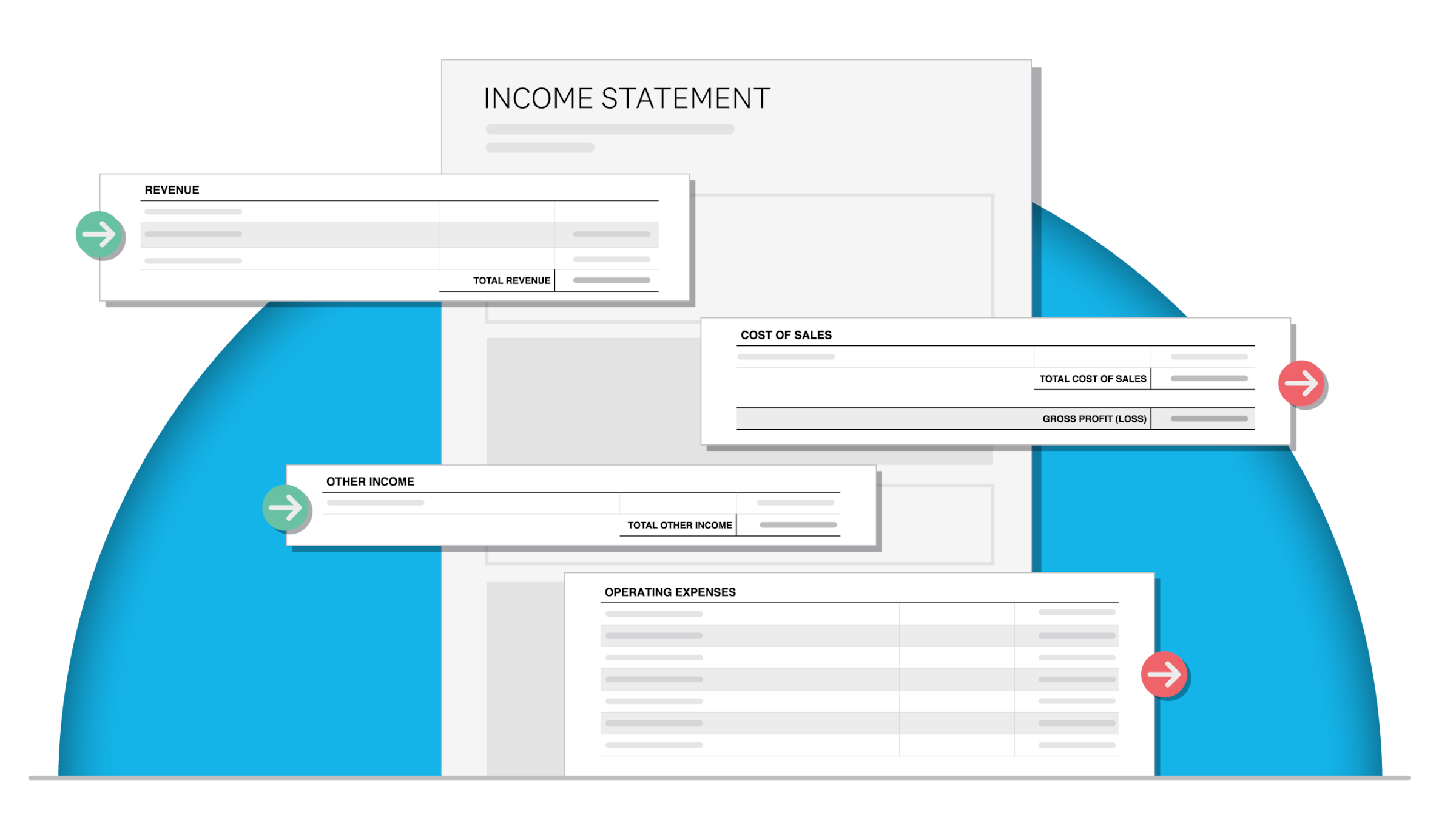
Cost of sales is an expense. It appears on your income statement (profit and loss) and reduces your gross profit.
What is a good cost of sale percentage?
A good cost of sales percentage depends on your industry. For example, many restaurant owners target a food cost percentage between 28–35%. Generally, retailers aim for 25–50% of revenue, while service businesses often target 15–30%.
Compare your percentage against industry benchmarks and track it over time to spot trends.
How can I reduce my cost of sales?
Reducing your cost of sales helps you profit more and lets you set more competitive prices. Since the formula has multiple components, you have several options:
- Negotiating with suppliers to get a better price or terms
- Shopping around for better deals on raw materials or stock
- Producing more efficiently with new technology, equipment, or skills
- Improving how you manage inventory so you're not over- or understocking (inventory software can help with this)
- Outsourcing specific skills or functions so you don't need to hire staff
How does the cost of sales affect profitability?
Cost of sales directly impacts how much you profit. The smaller the gap between your cost of sales and retail price, the less profit you keep.
For example, if you generate £100,000 in revenue but your cost of sales is £90,000, you're left with just £10,000 before operating expenses.
Aim for a cost of sales that leaves room for healthy profits while keeping your prices competitive.
Disclaimer
Xero does not provide accounting, tax, business or legal advice. This guide has been provided for information purposes only. You should consult your own professional advisors for advice directly relating to your business or before taking action in relation to any of the content provided.
Start using Xero for free
Access Xero features for 30 days, then decide which plan best suits your business.