Petty cash: how to manage your fund and keep records
Learn how to manage petty cash to control spend, cut admin, and track small purchases with less stress.

Written by Lena Hanna—Trusted CPA Guidance on Accounting and Tax. Read Lena's full bio
Published Monday 30 March 2026
Table of contents
Key takeaways
- Establish a fixed petty cash fund between $100-$500 with one designated custodian who manages all disbursements and collects receipts for every transaction.
- Set clear spending limits of $25-$50 per transaction and restrict petty cash use to small, everyday expenses like office supplies, delivery fees, and minor repairs.
- Reconcile your petty cash fund regularly by counting remaining cash, adding up receipts, and confirming they equal your starting balance before replenishing the fund.
- Record petty cash as an asset on your balance sheet while categorising individual purchases as expenses in your general ledger to maintain accurate financial records.
What is petty cash?
Petty cash is a small amount of cash your business keeps on hand to pay for minor expenses. Think of it as a mini-fund for purchases that are too small or inconvenient to pay with a cheque or credit card, like buying stamps or reimbursing an employee for a coffee run.
Types of petty cash
Most businesses use an imprest system, where the fund is set at a fixed amount. When the cash runs low, it's replenished back to the original total. According to accounting professional Harold Averkamp, this method provides better control and makes it easy to track spending and spot any discrepancies. Learn more about imprest petty cash systems. Some businesses might use a non-imprest system, where the amount fluctuates, but this is less common as it's harder to control.
Petty cash vs. cash on hand
While both are cash assets, they serve different purposes. Cash on hand usually refers to all accessible cash, including undeposited cheques and money in cash registers. Learn more in the cash flow management glossary. Petty cash is a specific part of cash on hand that is set aside exclusively for small, incidental expenses.
How to set up a petty cash fund
Setting up a petty cash fund is a simple process. Following these steps helps you maintain control and keep your records accurate from the start.
- Decide on the fund amount. Choose a total that covers your typical small expenses for a set period, like a month. This could be $100, $200, or whatever makes sense for your business.
- Assign a custodian. Designate one trusted employee to be responsible for managing the fund, disbursing cash, and collecting receipts.
- Withdraw the initial cash. Take the chosen amount from your business bank account. This transaction should be recorded in your accounting software.
- Store the cash securely. Keep the money in a locked box or drawer that only the custodian can access.
- Create a log or spreadsheet. Set up a simple petty cash book to track all money going in and out of the fund.
How does petty cash work?
Petty cash works through a simple cycle of funding, spending, and replenishing. Here's how the process typically flows:
Setting your fund amount: Most businesses keep between $100 and $1,000 in petty cash, depending on their needs. Choose an amount that covers routine expenses without keeping too much cash on hand.
Recording the initial fund: When you create your petty cash fund, record a debit to your petty cash account and a credit to your bank account. If you withdraw $200, note the transfer in your general ledger.
Handling day-to-day expenses: When someone needs to make a small purchase, they either:
- pay out of pocket and bring a receipt for reimbursement
- receive cash upfront and return the receipt afterward
The person managing petty cash keeps all receipts and logs each expense in a petty cash book or spreadsheet.
Replenishing the fund: When cash runs low, tally the receipts against the petty cash book to confirm they balance. Then request more cash from the bank to top up the fund and update your records.
Updating your books: Record the bank withdrawal and categorise each expense to the correct account in your general ledger. Use an expense report template to help.
For smaller teams: If you're a solopreneur or have just a few employees, you'll likely handle all these steps yourself.
How to record petty cash
Recording petty cash requires three key documents. Here's what you need to track every transaction:
- Petty cash voucher: Documents each expense with details about the purchase, its business purpose, and the employee reimbursed.
- Petty cash book or spreadsheet: Tracks the running balance by recording all expenses paid and cash added to the fund.
- General ledger record: Records petty cash transactions as credits to the petty cash account and debits to the relevant expense accounts (for example, a $20 pencil purchase credits petty cash and debits office supplies).
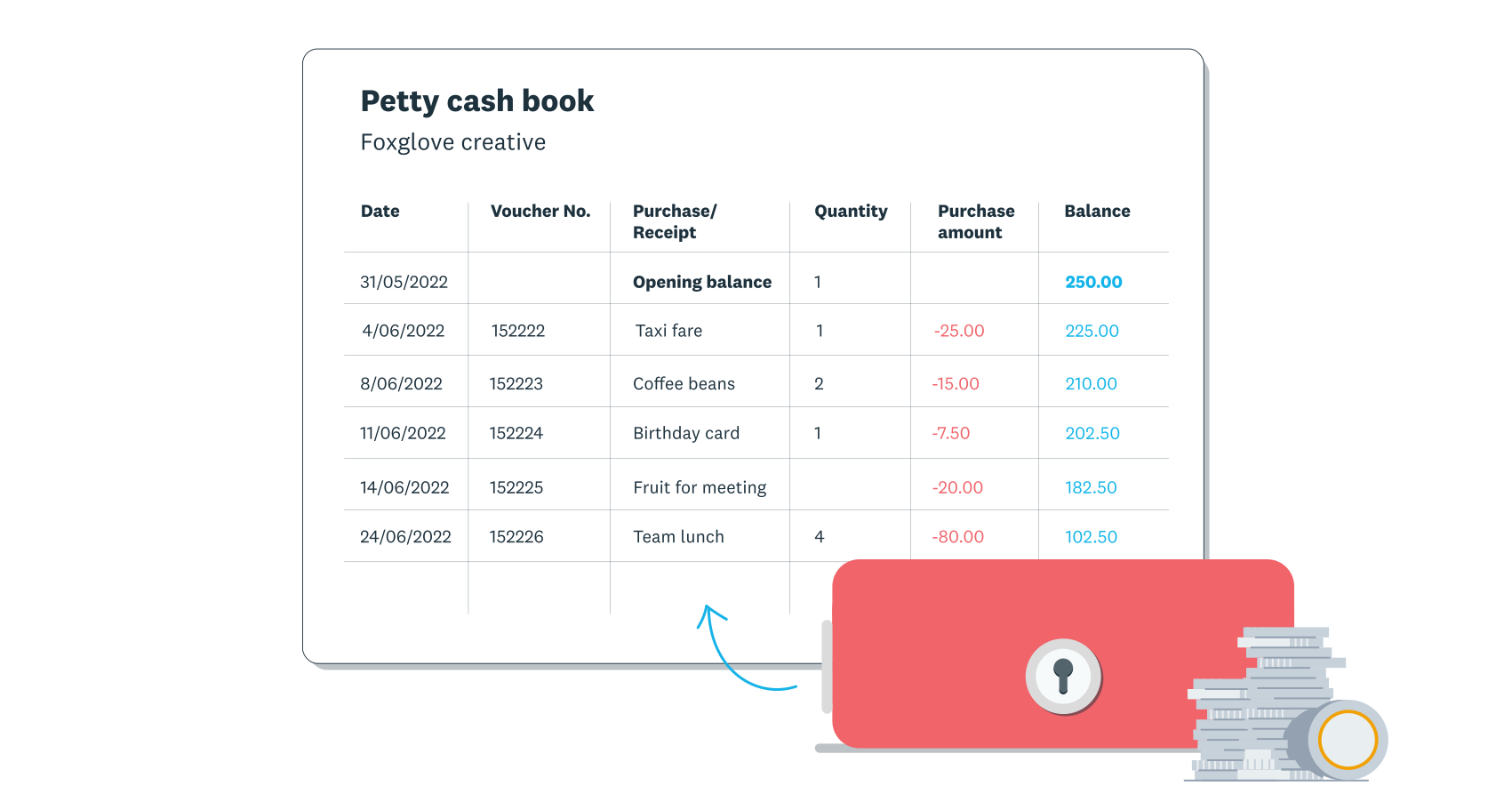
Example of petty cash book or spreadsheet format
A petty cash book is a simple log that records every transaction in your petty cash fund. Here's an example format:
Is petty cash an asset or expense?
Petty cash is an asset, not an expense. It appears on your balance sheet as a current asset because it represents money your business owns and can spend.
The purchases made from petty cash are recorded as expenses. When you buy office supplies or pay for a delivery, those transactions become expense entries in your general ledger.
Best practices for managing petty cash
Strong petty cash controls protect your money and simplify your bookkeeping. Follow these guidelines to keep your fund secure and well-organised.
How much petty cash should you keep?
Most small businesses keep between $100 and $500 in petty cash. The right amount depends on:
- Purchase frequency: How often you make small cash purchases
- Average transaction size: The typical cost of items you buy with cash
- Replenishment schedule: How often you want to top up the fund
Keep enough to cover two to four weeks of typical expenses. Holding too much cash increases security risks without adding convenience.
What expenses qualify for petty cash?
Petty cash works best for small, infrequent purchases that aren't practical to process through normal payment channels. Common uses include:
- Office supplies like pens, notepads, and stamps
- Minor repairs or maintenance items
- Staff refreshments and kitchen supplies
- Delivery fees and parking costs
- Small client gifts or cards
Set a maximum amount per transaction, typically $25 to $50. Larger purchases should go through your standard accounts payable process.
Petty cash security and controls
Protecting your petty cash fund reduces the risk of theft and errors. This is crucial, as reports show that nearly half of business fraud incidents are due to a lack of internal controls. Learn more about internal financial controls for small businesses. Key controls include:
- Secure storage: Keep cash in a locked box or drawer with limited access.
- Designated custodian: Assign one person to manage the fund and approve disbursements.
- Receipt requirements: While a 'no exceptions' policy for receipts provides the tightest control, it's also standard practice to set a cash limit (typically $20 to $25) for reimbursements that can be submitted without a receipt.
- Spending limits: Set clear policies on what petty cash can and can't be used for.
- Regular audits: Count the cash periodically to verify it matches your records.
Reconciling and replenishing your petty cash
Reconcile your petty cash fund regularly to catch errors early. Here's how:
- Count the remaining cash in the fund
- Add up all receipts since the last reconciliation
- Confirm the cash plus receipts equals your starting balance
- Investigate any discrepancies before replenishing
- Request a top-up cheque or withdrawal for the amount spent
- Record the replenishment in your petty cash book and general ledger
Most businesses reconcile weekly or whenever the fund drops below a set threshold.
Manage petty cash with confidence using Xero
A well-managed petty cash fund saves time and keeps your books accurate. With clear policies, proper documentation, and regular reconciliation, you'll always know where your cash is going.
Xero makes tracking petty cash simple. Record transactions, categorise expenses, and reconcile your accounts from one place. You'll spend less time on paperwork and more time running your business.
Ready to simplify your bookkeeping? Get one month free and see how Xero can help.
FAQs on petty cash
Here are answers to common questions about managing petty cash.
What should I do if petty cash doesn't balance?
Review all receipts and ledger entries for missing transactions or calculation errors. If you can't find the discrepancy, record the difference as a cash shortage or overage in your books.
Disclaimer
Xero does not provide accounting, tax, business or legal advice. This guide has been provided for information purposes only. You should consult your own professional advisors for advice directly relating to your business or before taking action in relation to any of the content provided.
Start using Xero for free
Access Xero features for 30 days, then decide which plan best suits your business.